The Wild Sage logo
The Wild Sage Logo

Herbal Medicine at your fingertips

Comprehensive database of herbal remedies with detailed safety information and traditional uses

New to herbal terms? Read the glossary →
ADHD
Abcess
Acid Reflux Relief
Acinetobacter
Acne
Acne Vulgaris
Addisons
Adenomyosis
Adenovirus
Adrenal fatigue
Aging
Aids
Alcaligenes faecalis
Alcoholism
Allergic Rhinitis
Allergies
Allergy
Alopoecia
Alopoecia nervosa
Alzheimer's, Dementia & Cognitive Decline
420 herbs found
Important: This information is for educational purposes only. Always consult with qualified healthcare professionals before using herbal remedies, especially if you have existing health conditions or take medications.
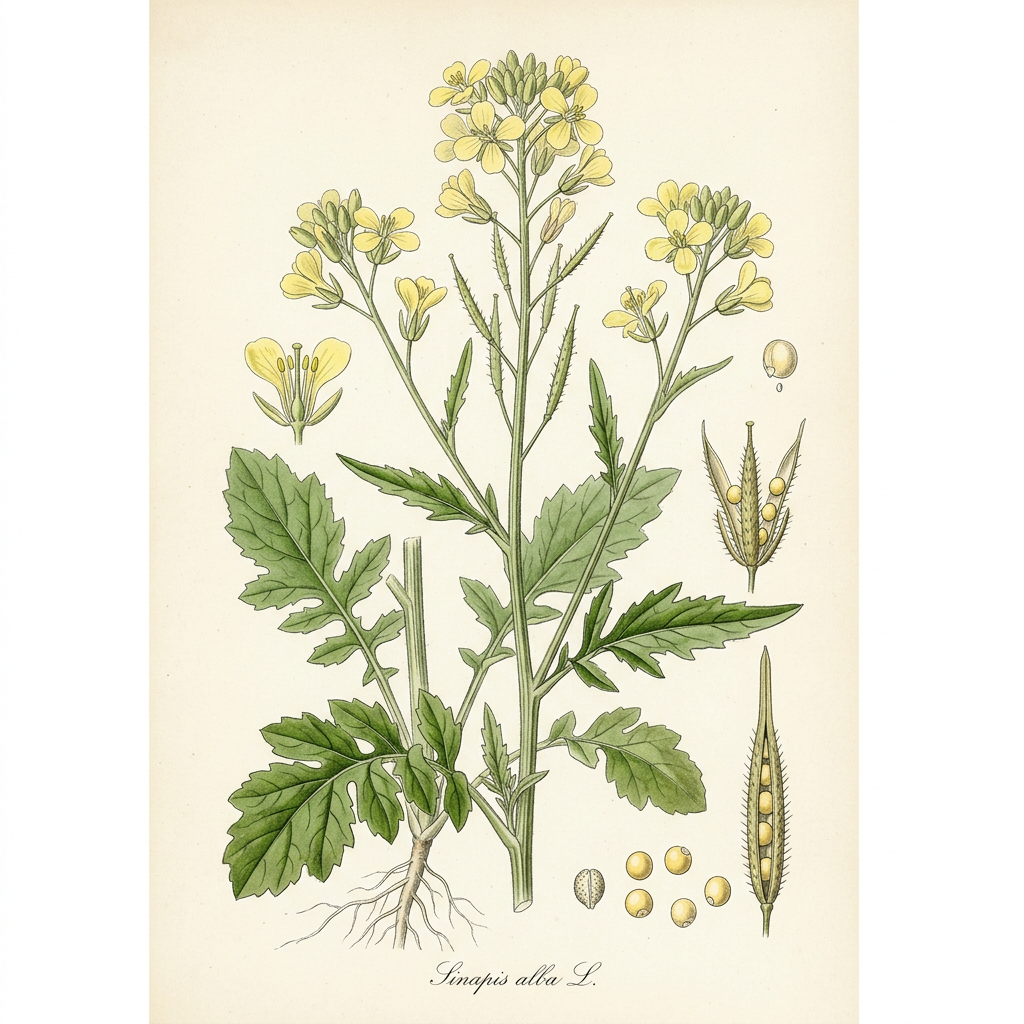
White Mustard

White Mustard

Brassica alba

low risk Risk
Brassicaceae
<p>Brassica alba, commonly known as white mustard, is a biennial herb belonging to the Brassicaceae family. Historically, this versatile herb has been cultivated since ancient times, not only for its culinary applications but also for its notable medicinal properties. Traditionally utilized in various cultures, particularly in Europe and Asia, its seeds were employed to create medicinal poultices and tonics. Ancient texts reference its use as a treatment for respiratory ailments, digestive issues, and even as a natural remedy for inflammation and pain. Its seeds and leaves, rich in nutrients, have also found their place in folk medicine practices, showcasing their value beyond just culinary use. The therapeutic potential of **Brassica alba** is significant, underscored by its primary actions as an anti-inflammatory, antimicrobial, and digestive aid. Rich in bioactive compounds, including vitamins, minerals, and glucosinolates, this herb has garnered interest for its ability to modulate bodily functions. Scientific investigations have revealed that Brassica alba acts as an inhibitor of nuclear factor kappa-light-chain-enhancer of activated B cells (NF-kB) and tumor necrosis factor-alpha (TNF-a), both critical players in the inflammatory response. By mitigating these pathways, this herb not only alleviates inflammation but also showcases potential benefits in managing autoimmune conditions, chronic inflammatory diseases, and infections. Its antifungal properties further contribute to its utility in promoting overall health and well-being. At the biochemical level, Brassica alba exerts its effects through a complex interplay of phytochemicals. The glucosinolates present in the seeds serve as precursors to isothiocyanates, compounds known for their ability to modulate detoxification enzymes and protect against oxidative stress. This interaction supports the body's defense mechanisms and promotes digestive wellness by enhancing gut microbiota and digestive enzyme activity. The herb's antimicrobial properties, combined with its ability to balance inflammatory responses, make it a valuable ally for maintaining health, particularly in the face of chronic disorders. As interest in natural remedies continues to grow, Brassica alba stands out as a remarkable herb with a rich history and promising therapeutic applications.</p>

Uses & Conditions

Digestive aid
Nutritional support
Culinary applications
Irritable Bowel Syndrome (IBS)
Ulcerative colitis
Graves disease

Actions

Anti-inflammatory
Antimicrobial
Anti-fungal
NF-kB inhibitor
TNF-a reduction

Synonyms

Sinapis alba

Parts Used

Dried seeds
Fresh leaves

USDA Hardiness Zones

2
3
4
5
6
7
8
9
10

Contraindications

  • Pregnancy: avoid therapeutic doses
  • Breastfeeding: avoid medicinal amounts
  • Hypersensitivity: do not use if allergic to Brassicaceae family
  • Kidney disorders: avoid regular use
  • Sensitive skin: contraindicated for topical use
  • Inflammatory skin conditions: contraindicated for topical use

Potential Side Effects

  • Skin irritation or blistering if applied topically for extended periods
  • Gastrointestinal upset including nausea
  • Irritation of the mucous membranes
  • Possible allergic dermatitis

Interactions

  • Thyroid medications: excessive intake may interfere with iodine uptake
  • Anticoagulants and antiplatelet drugs: theoretical risk of increased bleeding
  • Blood pressure medications: may potentially alter efficacy
  • Potent prescription medicines: use caution

Dosages, tincture ratios & research — members only

Unlock Garreth's dosing guidance, tincture ratios, the dosage calculator and the research studies for White Mustard.

Your assessment and results stay saved — upgrading only unlocks more of them.

See membership plans

Community Photos

No community photos yet. Sign in to upload photos.

Reviews & Ratings

Sign in to leave a review.

No reviews yet. Be the first!

GF

Garreth Falls — B.Th., Dip. H.M., MNIMH

Content curated and reviewed by Garreth Falls, Consultant Medical Herbalist · The Wild Sage

Medical Disclaimer: This information is for educational purposes only and is not intended as medical advice. Always consult with qualified healthcare professionals before starting any herbal treatment.
Western tradition

Sustainability & quality

Cultivated

Commonly farmed for culinary use. Quality control involves checking for purity and absence of mould in seed supplies.

Key constituents

Sinalbin (glucosinolate), Myrosinase (enzyme), Volatile mustard oils (isothiocyanates), Mucilage, Fatty acids, Proteins, Phenolic acids

References

  1. British Herbal Pharmacopoeia 1983
  2. Herbal Reality. Herb monographs. herbalreality.com

Reviewed by Garreth, Medical Herbalist (MNIMH) · November 2026

Related conditions

Explore conditions where White Mustard is traditionally used.

Related Herbs
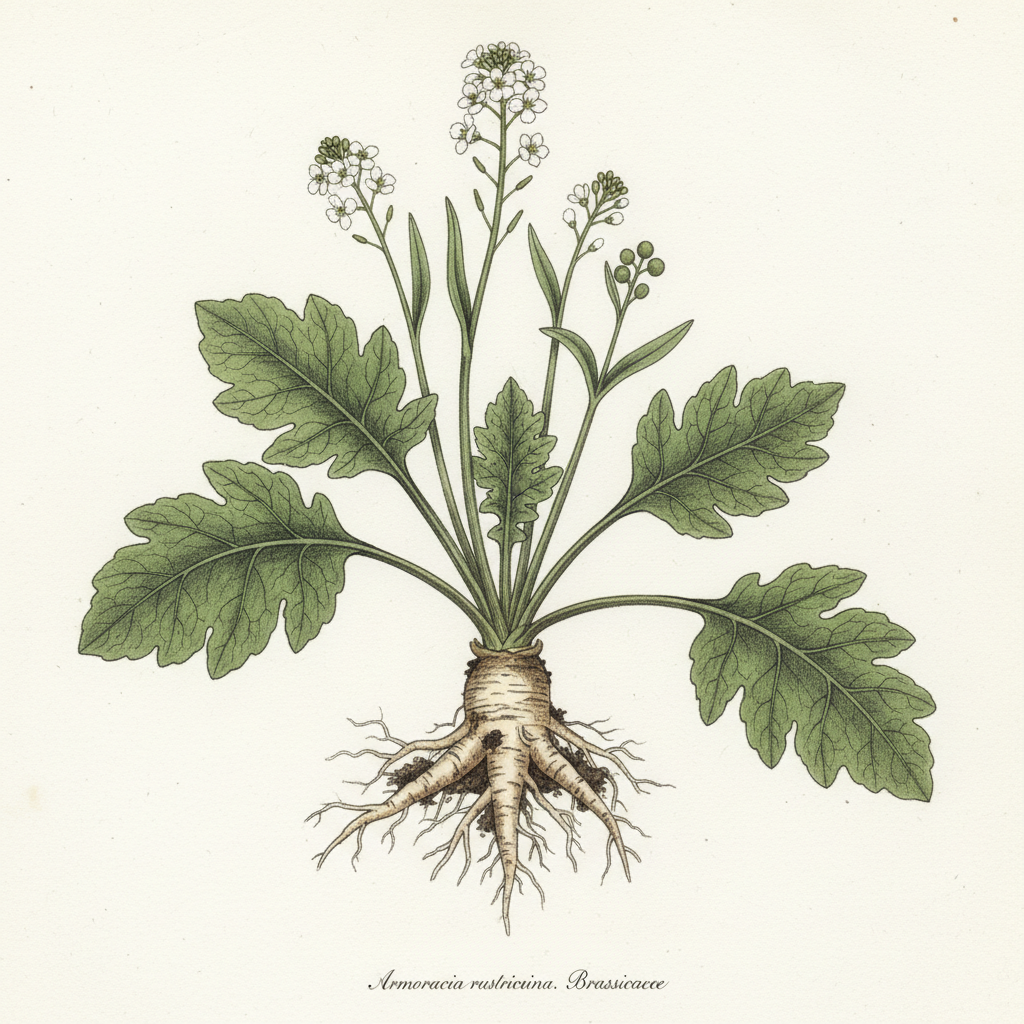
Horseradish

Horseradish

Armoracia rusticana

Digestive Aid
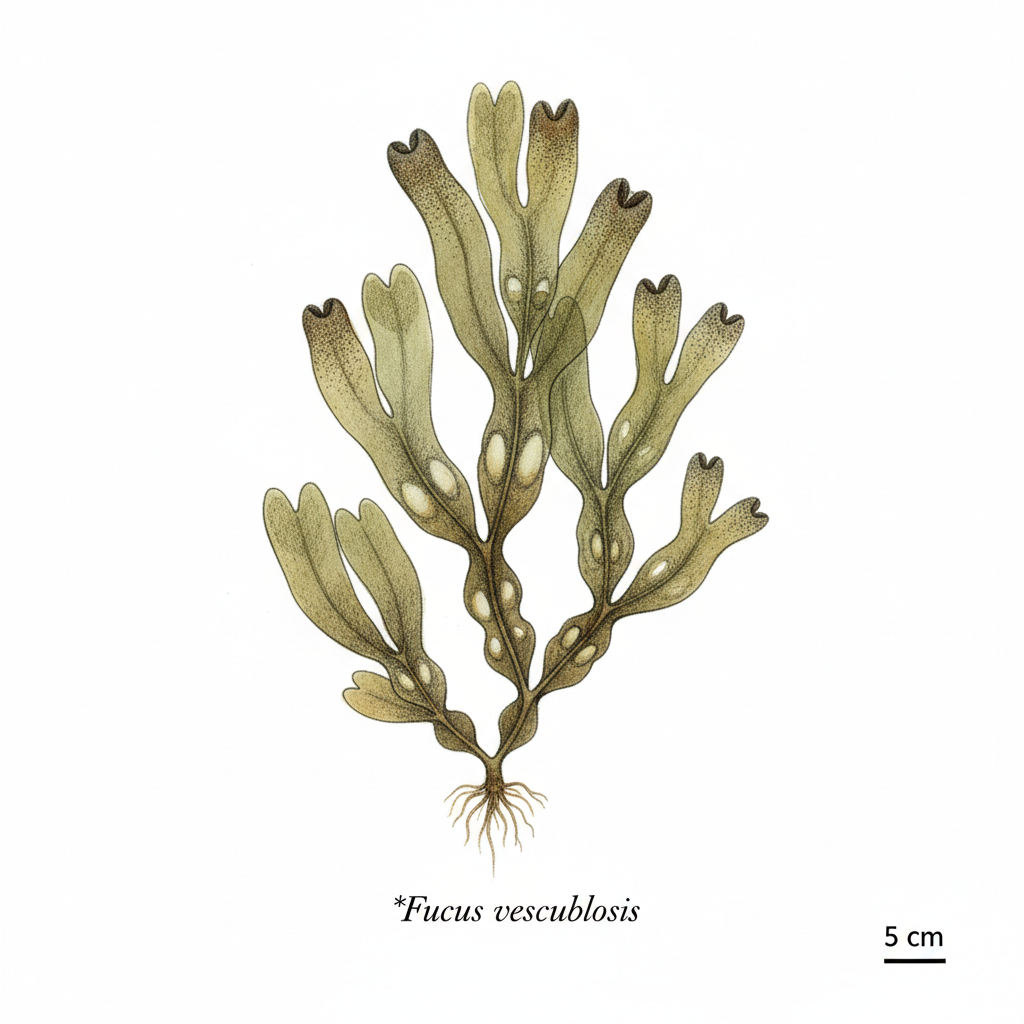
Bladderwrack

Bladderwrack

Fucus vesiculosus

Nutritional Support
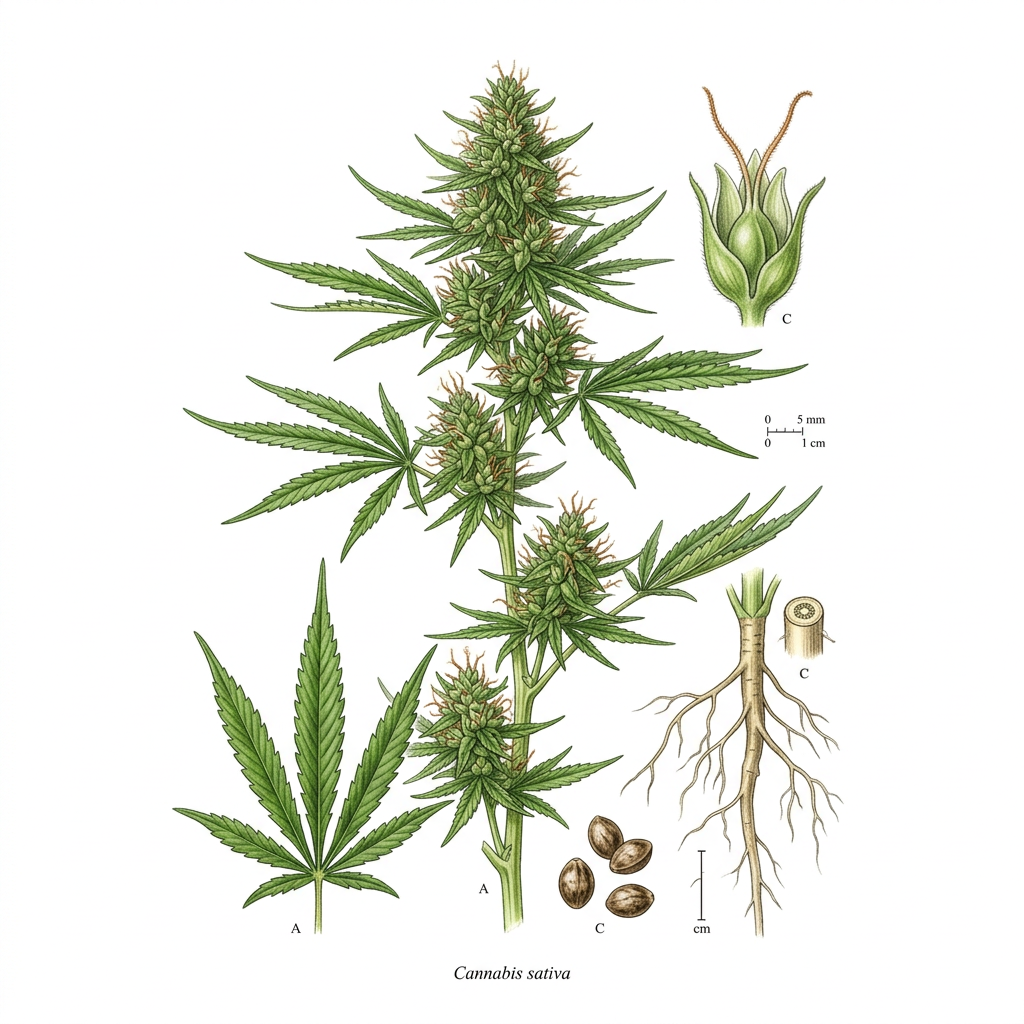
Cannabis

Cannabis

Cannabis sativa

Pain relief
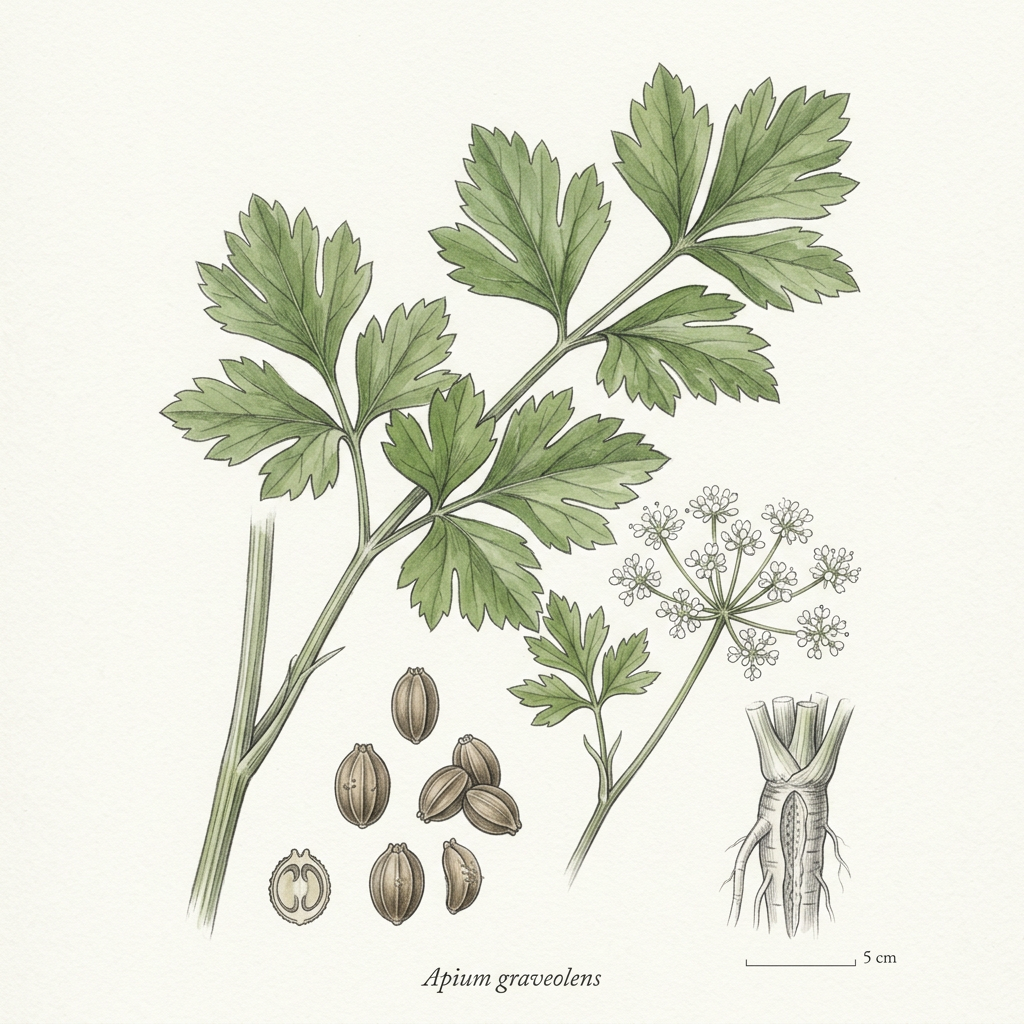
Celery Seed

Celery Seed

Apium graveolens

Digestive Aid