The Wild Sage logo
The Wild Sage Logo

Herbal Medicine at your fingertips

Comprehensive database of herbal remedies with detailed safety information and traditional uses

New to herbal terms? Read the glossary →
ADHD
Abcess
Acid Reflux Relief
Acinetobacter
Acne
Acne Vulgaris
Addisons
Adenomyosis
Adenovirus
Adrenal fatigue
Aging
Aids
Alcaligenes faecalis
Alcoholism
Allergic Rhinitis
Allergies
Allergy
Alopoecia
Alopoecia nervosa
Alzheimer's, Dementia & Cognitive Decline
420 herbs found
Important: This information is for educational purposes only. Always consult with qualified healthcare professionals before using herbal remedies, especially if you have existing health conditions or take medications.
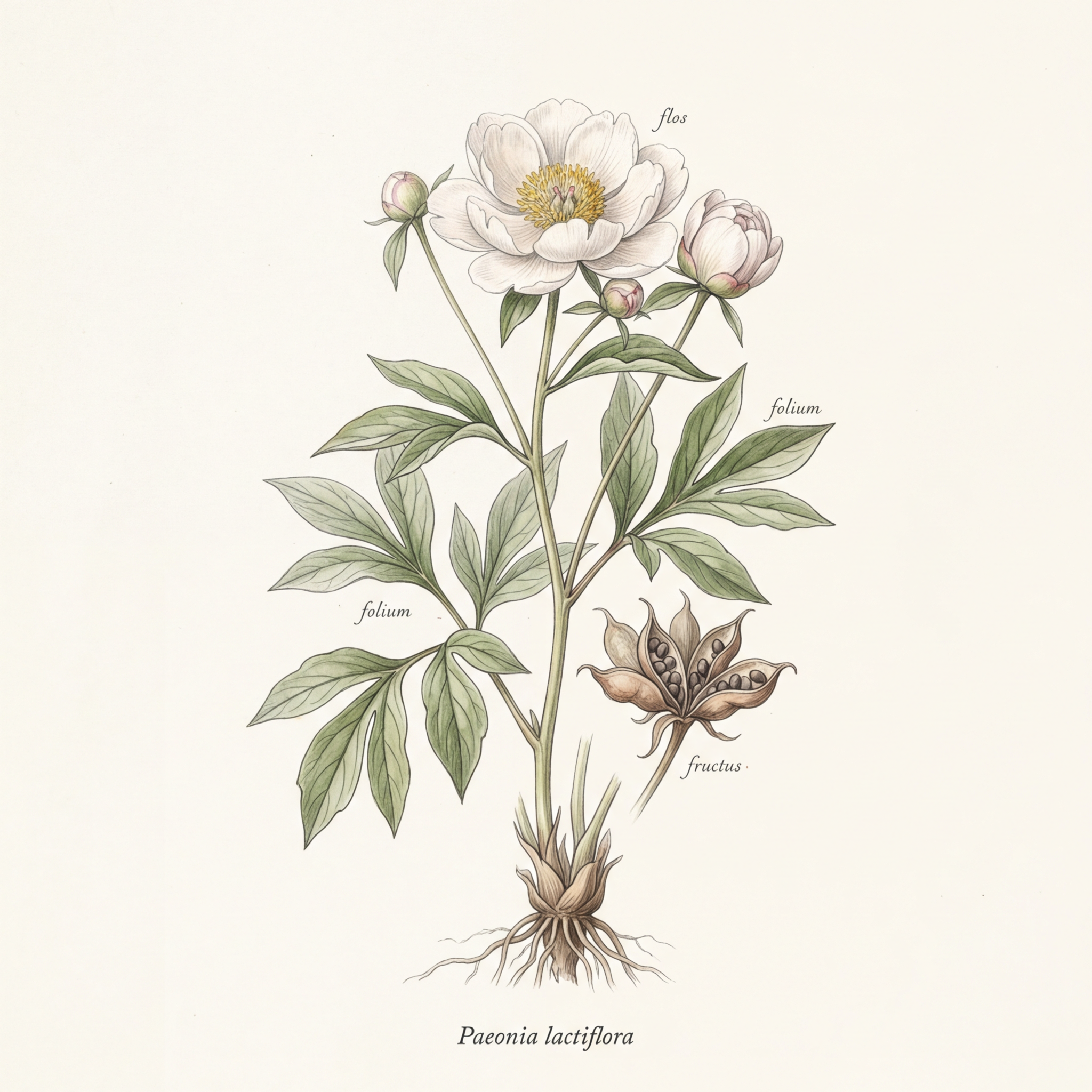
White peony

White peony

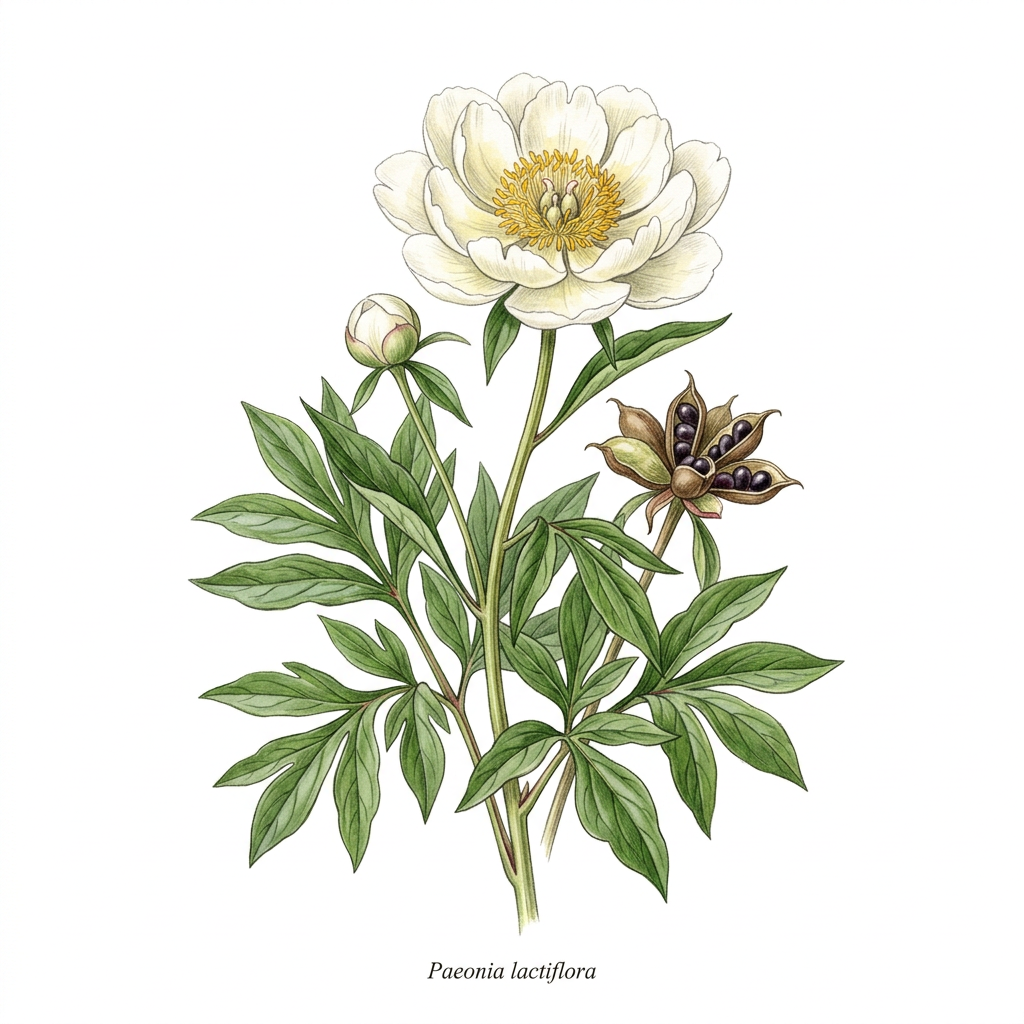
Paeonia lactiflora

low risk Risk
Paeoniaceae
it supports emotional stability and hormonal harmony. Often used to promote relaxation and ease mood fluctuations.
<p>Paeonia lactiflora, known as white peony or Bai Shao in traditional medicine, is a herbaceous perennial native to central and eastern Asia. It is characterised by its striking, large, often fragrant flowers and deep-seated, fleshy root system. The medicinal root is typically harvested from plants at least four years old, cleaned, and dried, often after being peeled to produce the distinct white appearance that gives the herb its common name.</p><p>Historically, the root has been a cornerstone of traditional herbal practice, valued for its ability to tonify the blood, soothe the liver, and address menstrual irregularities. It was traditionally used for alleviating muscle spasms, relieving pain, and calming internal heat. Practitioners have long viewed it as a balancing tonic, often employing it in complex formulas to harmonise the actions of other herbs and support the body's overall constitutional vitality.</p><p>Modern research into the root focuses primarily on its key constituent, paeoniflorin, which has been investigated for its immunomodulatory, anti-inflammatory, and neuroprotective properties. While clinical evidence remains emerging, current practitioners often utilise the herb for its muscle-relaxant effects and its role in supporting women's hormonal health, particularly in cases involving dysmenorrhoea or polycystic ovary syndrome.</p><p>In contemporary clinical practice, the root is frequently prepared as a decoction or tincture. It is favoured by herbalists for its gentle, cooling nature, making it a reliable choice for long-term use in cases of chronic tension or inflammatory discomfort. It is best approached as a supportive tonic and is usually combined with other herbs to specifically tailor the treatment to the individual's needs.</p>

Uses & Conditions

Hormonal Balance
Mood Support
Hepatic Support
Menorrhagia
Dysmenorrhoea
Anxiety Disorders
Hormonal Imbalance
PCOS
Hyperprolactinaemia
Endometriosis
Epilepsy
Breast Growths
ADHD
Angina
Adenomyosis
Androgen Excess
Amenorrhoea
Cognitive Impairment

Actions

Analgesic
Adaptogen
Anxiolytic
Hepatic
LH-RH Antagonist
NFkB Inhibitor
TNF-a Inhibitor

Parts Used

Dried root (peeled and sliced)

Native Countries

China
Mongolia
Korea
Japan

USDA Hardiness Zones

3
4
5
6
7

Contraindications

  • Pregnancy: avoid due to potential uterine stimulation
  • Breastfeeding: insufficient safety data
  • Surgical procedures: discontinue at least two weeks prior to elective surgery
  • Haemorrhagic disorders: use with extreme caution
  • Known allergy to Paeoniaceae family plants

Potential Side Effects

  • Mild gastrointestinal upset
  • Loose stools
  • Skin rashes
  • Dizziness
  • Lightheadedness

Interactions

  • Anticoagulants and antiplatelet drugs: may increase risk of bleeding
  • Immunosuppressants: may alter efficacy
  • CNS depressants: potential additive sedative effects

Dosages, tincture ratios & research — members only

Unlock Garreth's dosing guidance, tincture ratios, the dosage calculator and the research studies for White peony.

Your assessment and results stay saved — upgrading only unlocks more of them.

See membership plans

Community Photos

No community photos yet. Sign in to upload photos.

Reviews & Ratings

Sign in to leave a review.

No reviews yet. Be the first!

GF

Garreth Falls — B.Th., Dip. H.M., MNIMH

Content curated and reviewed by Garreth Falls, Consultant Medical Herbalist · The Wild Sage

Medical Disclaimer: This information is for educational purposes only and is not intended as medical advice. Always consult with qualified healthcare professionals before starting any herbal treatment.
Chinese tradition

Sustainability & quality

Cultivated

Extensively cultivated for the root (Bai Shao). Ensure root quality is verified for proper processing and historical curing methods.

Key constituents

Flavonoids, Paeoniflorin, Proanthocyanins, Tannin, Triterpenoids, Terpenoids

References

  1. Bensky "Chinese Herbal Medicine: Materia Medica" 3rd ed. 2004
  2. Herbal Reality. Herb monographs. herbalreality.com

Reviewed by Garreth, Medical Herbalist (MNIMH) · November 2026

Related conditions

Explore conditions where White peony is traditionally used.

Related Herbs
Peony

Peony

Paeonia lactiflora

Hormone Balance
Chaste Tree

Chaste Tree

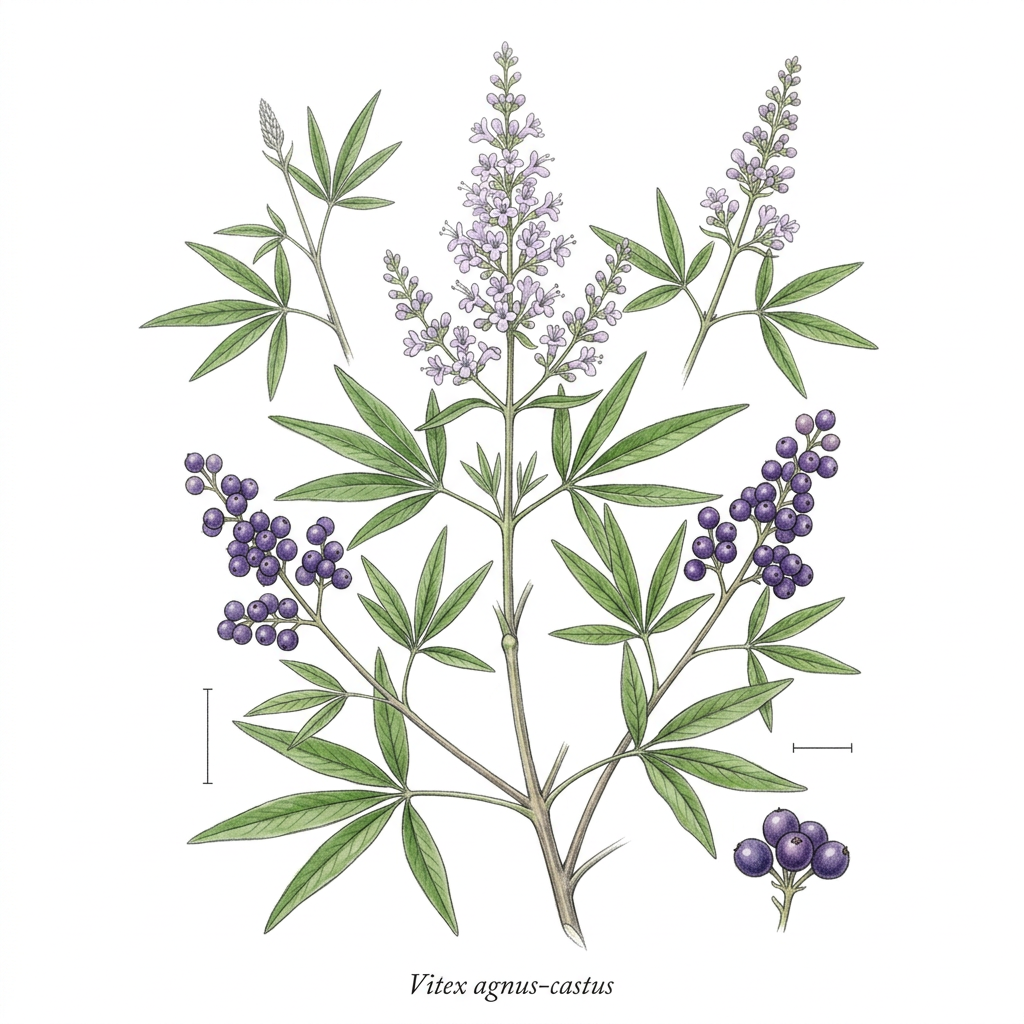
Vitex agnus-castus

Hormonal Balance
Chinese angelica

Chinese angelica

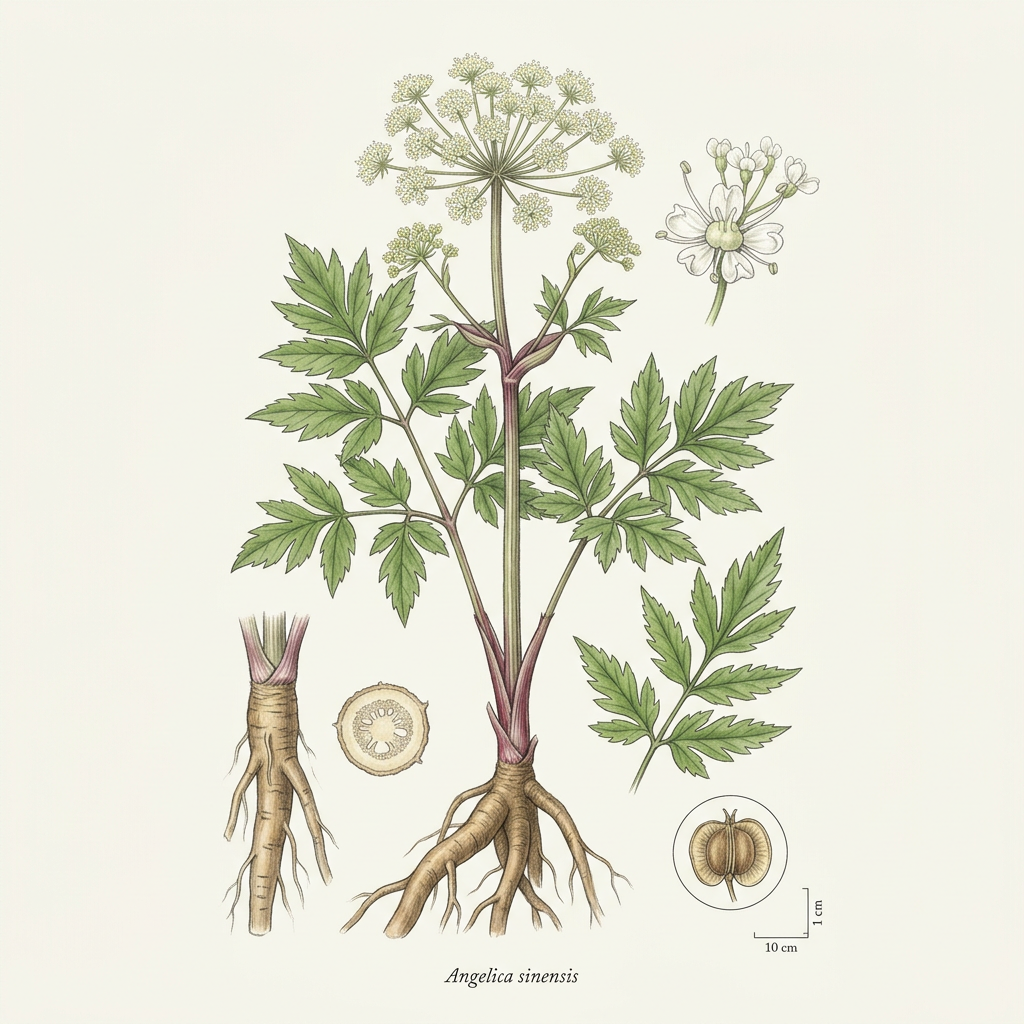
Angelica sinensis

Blood Tonic
Vitex agnus castus

Vitex agnus castus

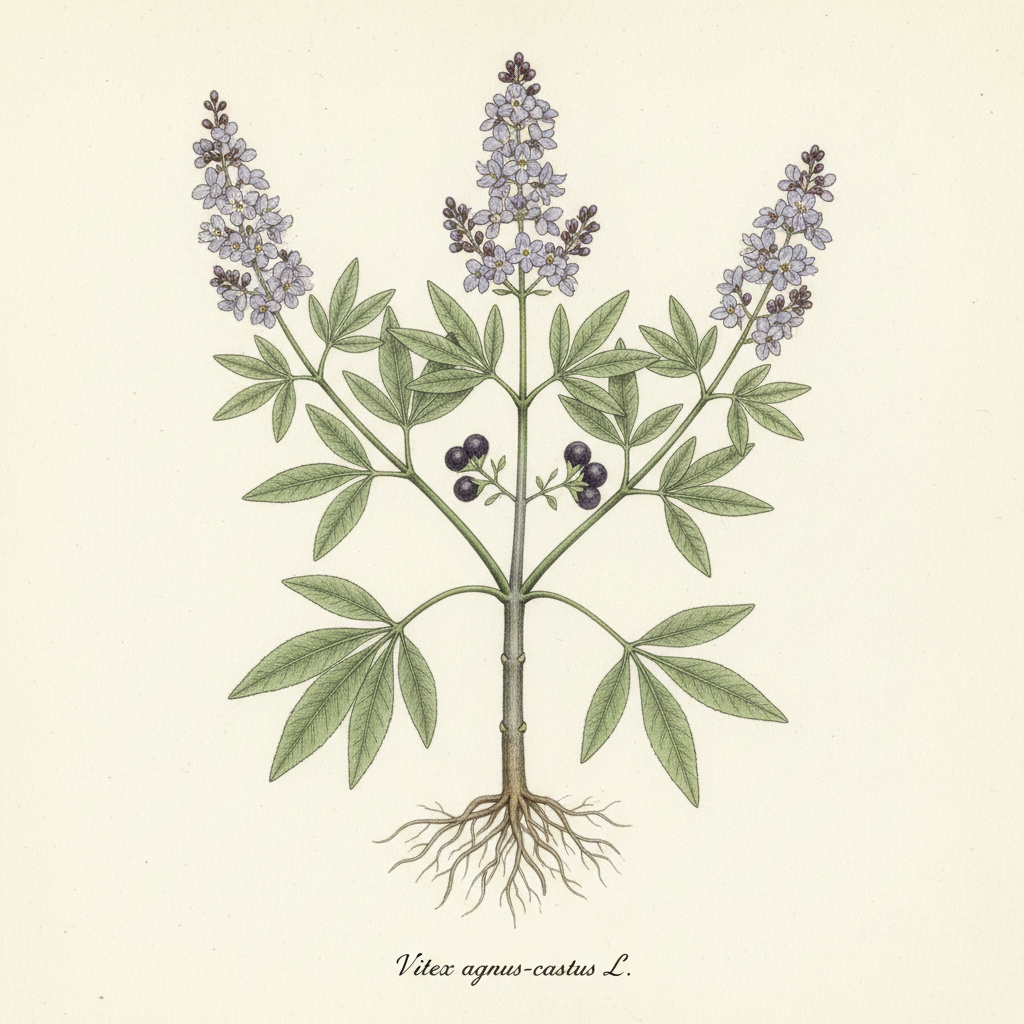
Vitex agnus castus

Hormonal Balance