The Wild Sage logo
The Wild Sage Logo

Herbal Medicine at your fingertips

Comprehensive database of herbal remedies with detailed safety information and traditional uses

New to herbal terms? Read the glossary →
ADHD
Abcess
Acid Reflux Relief
Acinetobacter
Acne
Acne Vulgaris
Addisons
Adenomyosis
Adenovirus
Adrenal fatigue
Aging
Aids
Alcaligenes faecalis
Alcoholism
Allergic Rhinitis
Allergies
Allergy
Alopoecia
Alopoecia nervosa
Alzheimer's, Dementia & Cognitive Decline
420 herbs found
Important: This information is for educational purposes only. Always consult with qualified healthcare professionals before using herbal remedies, especially if you have existing health conditions or take medications.
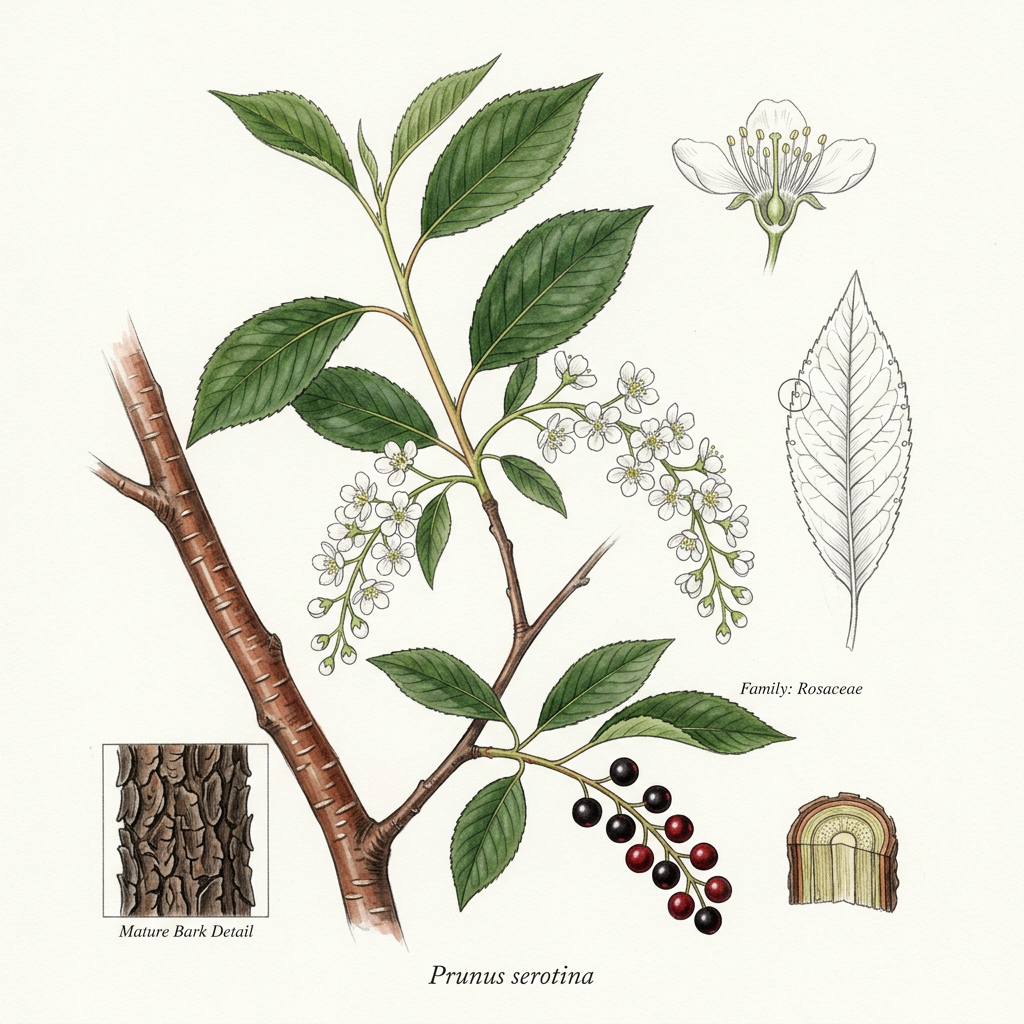
Wild Cherry bark

Wild Cherry bark

Prunus serotina

low risk Risk
Rosaceae
<p>Wild Cherry Bark, derived from the inner bark of the Prunus serotina tree, is a native North American species that has a rich history of traditional use among Indigenous peoples and early settlers. Traditionally, the bark was utilized for its soothing properties, especially in the preparation of cough syrups and herbal teas. Its astringent and tonic qualities made it a valued resource for addressing various ailments, particularly those related to respiratory health. This pleasant-tasting herb has been cherished not only for its medicinal attributes but also for its alluring blossoms and ornamental appeal. The key therapeutic properties of Wild Cherry Bark are primarily attributed to its bronchospasmolytic, antitussive (cough-suppressing), and astringent actions. It is widely recognized for its effectiveness in easing coughs caused by bronchial irritation and is often included in formulations aimed at alleviating conditions such as bronchitis and other respiratory disorders. The bark contains compounds, including cyanogenic glycosides, which, when metabolized, release small amounts of cyanide; however, in appropriate doses, these compounds contribute to its effectiveness in relieving coughing and promoting respiratory comfort by relaxing the airways. Furthermore, Wild Cherry Bark possesses sedative properties that can assist in promoting restful sleep, especially for individuals suffering from cough-related disturbances. In the body, Wild Cherry Bark works by modulating the respiratory system's response to irritants. Its bronchospasmolytic action helps to relax the smooth muscles of the bronchial passages, making it easier for individuals to breathe, particularly those experiencing asthma or other bronchoconstrictive conditions. The soothing effects of the bark also contribute to a reduction in mucus production, promoting clearer airways. Moreover, by acting as a natural cough expectorant, Wild Cherry Bark assists in the expulsion of mucus, facilitating better respiratory function. Overall, this herb serves as a gentle yet potent ally in supporting respiratory health, rooted in a deep-seated tradition of herbal medicine.</p>

Uses & Conditions

Sedative
Tonic
Cough
Bronchitis
Bronchospasm
Respiratory Disorders
Asthma
Whooping Cough
Croup
Irritated Bronchial Passages

Actions

Bronchospasmolytic
Expectorant
Astringent

Parts Used

Inner bark

Native Countries

United States
Canada
Mexico

USDA Hardiness Zones

3
4
5
6
7

Contraindications

  • Pregnancy: avoid due to the presence of cyanogenic glycosides
  • Breastfeeding: avoidance advised due to lack of safety data
  • Children under 12: caution advised due to potency and metabolic variability
  • Surgery: discontinue at least two weeks before elective procedures
  • Chronic respiratory failure: contraindicated without direct medical supervision

Potential Side Effects

  • Drowsiness
  • Mild sedation
  • Gastrointestinal upset in excessive amounts
  • Potential toxicity symptoms if used in very high doses

Interactions

  • Sedative medications: may potentiate effects of barbiturates or benzodiazepines
  • Antitussive drugs: potential additive effects with pharmaceutical cough suppressants
  • MAO inhibitors: use with caution due to potential interaction with nervous system pathways

Dosages, tincture ratios & research — members only

Unlock Garreth's dosing guidance, tincture ratios, the dosage calculator and the research studies for Wild Cherry bark.

Your assessment and results stay saved — upgrading only unlocks more of them.

See membership plans

Community Photos

No community photos yet. Sign in to upload photos.

Reviews & Ratings

Sign in to leave a review.

No reviews yet. Be the first!

GF

Garreth Falls — B.Th., Dip. H.M., MNIMH

Content curated and reviewed by Garreth Falls, Consultant Medical Herbalist · The Wild Sage

Medical Disclaimer: This information is for educational purposes only and is not intended as medical advice. Always consult with qualified healthcare professionals before starting any herbal treatment.
Western tradition

Sustainability & quality

Abundant

Widely available and sustainable; source from reputable timber-integrated operations.

Key constituents

Prunasin (cyanogenic glycoside), Amygdalin, Benzoic acid, Tannins, Coumarins, Starch, Resins

References

  1. British Herbal Pharmacopoeia 1983
  2. Bone & Mills "Principles and Practice of Phytotherapy" 2nd ed. 2013
  3. Herbal Reality. Herb monographs. herbalreality.com

Reviewed by Garreth, Medical Herbalist (MNIMH) · November 2026

Related conditions

Explore conditions where Wild Cherry bark is traditionally used.

Related Herbs
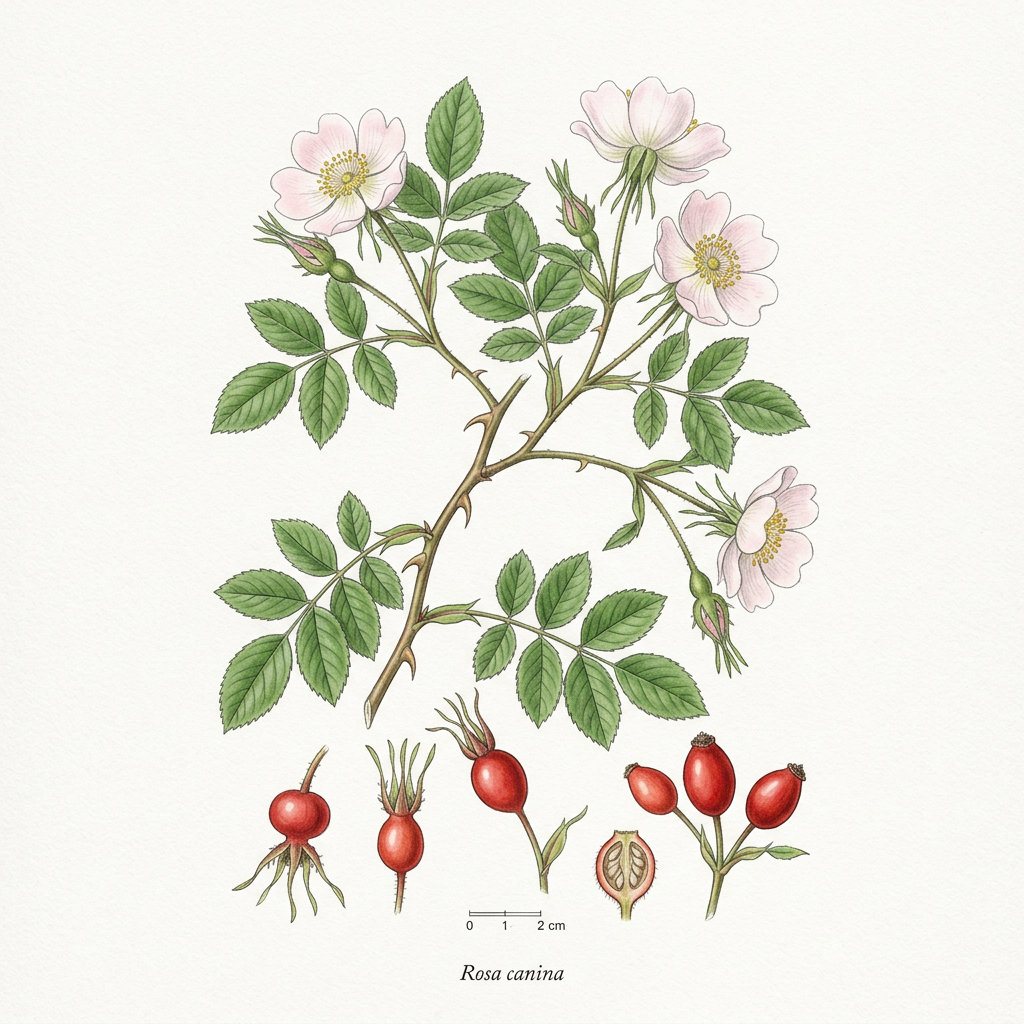
Dog rose

Dog rose

Rosa canina

Immune Support
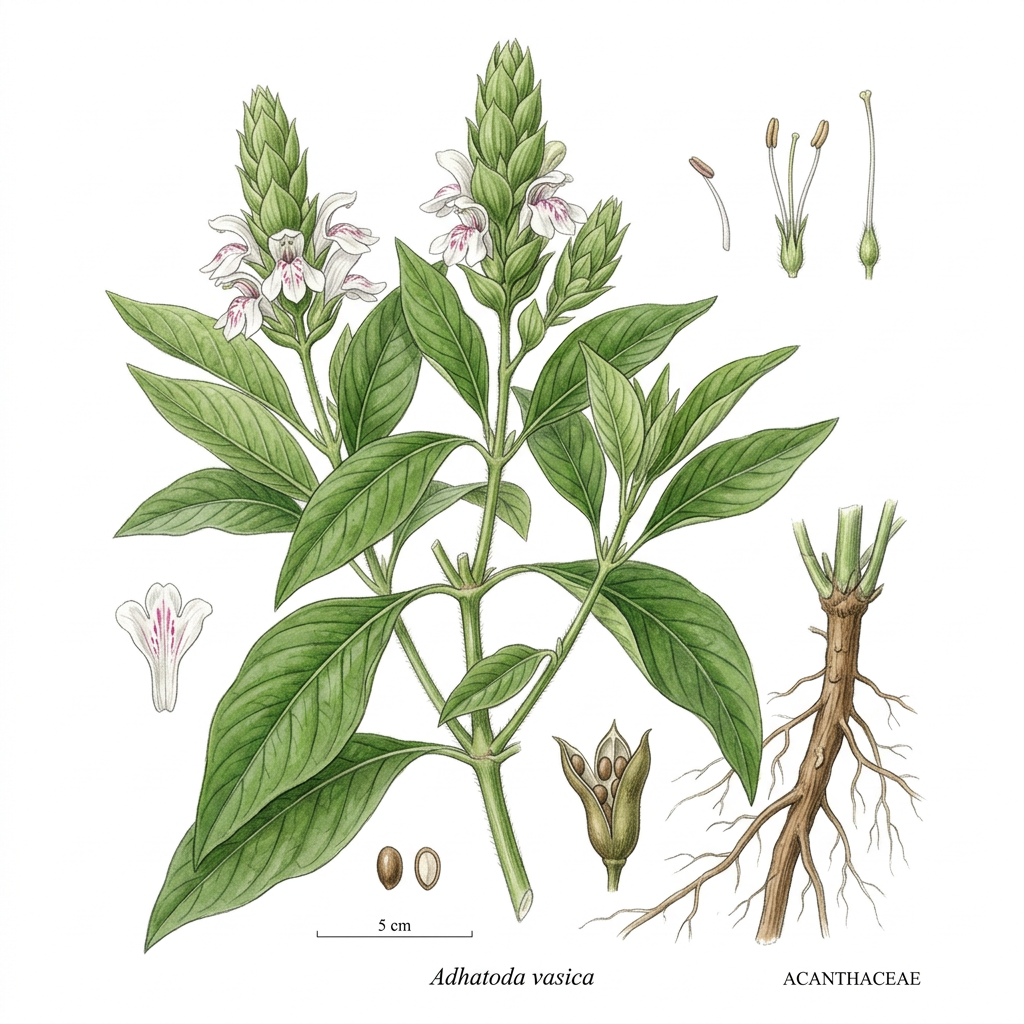
Adhatoda vasia

Adhatoda vasia

Adhatoda vasia

Diabetes
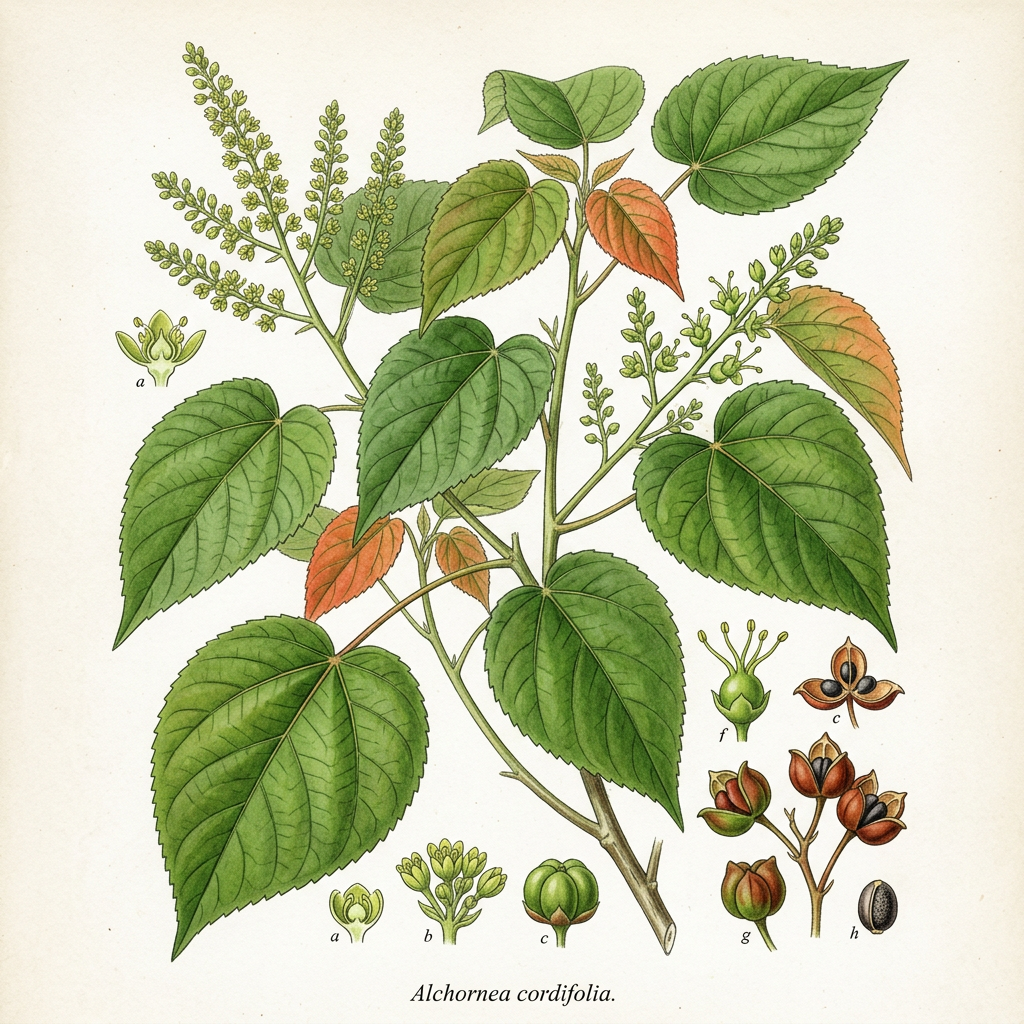
Christmas Bush

Christmas Bush

Alchornea cordifolia

Cardiovascular Support
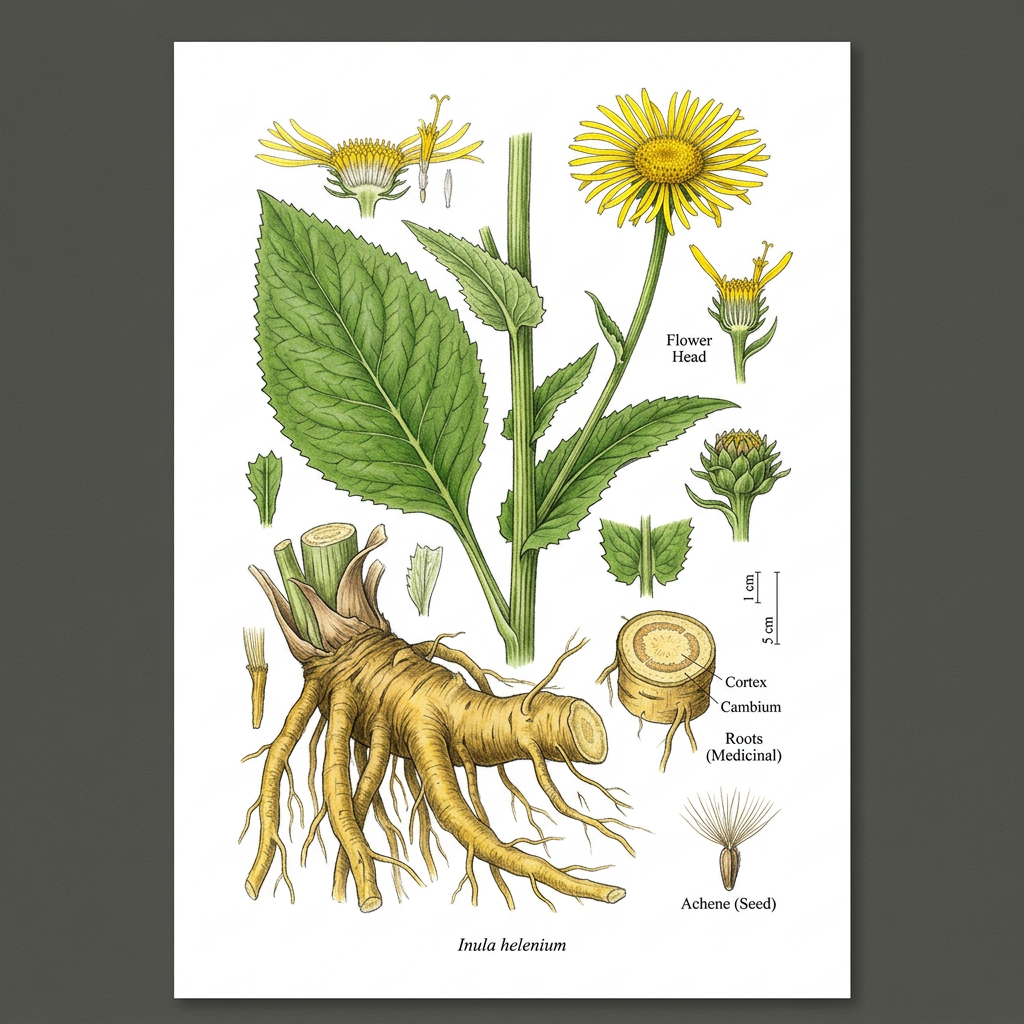
Elecampane

Elecampane

Inula helenium

Lung Health