The Wild Sage logo
The Wild Sage Logo

Herbal Medicine at your fingertips

Comprehensive database of herbal remedies with detailed safety information and traditional uses

New to herbal terms? Read the glossary →
ADHD
Abcess
Acid Reflux Relief
Acinetobacter
Acne
Acne Vulgaris
Addisons
Adenomyosis
Adenovirus
Adrenal fatigue
Aging
Aids
Alcaligenes faecalis
Alcoholism
Allergic Rhinitis
Allergies
Allergy
Alopoecia
Alopoecia nervosa
Alzheimer's, Dementia & Cognitive Decline
420 herbs found
Important: This information is for educational purposes only. Always consult with qualified healthcare professionals before using herbal remedies, especially if you have existing health conditions or take medications.
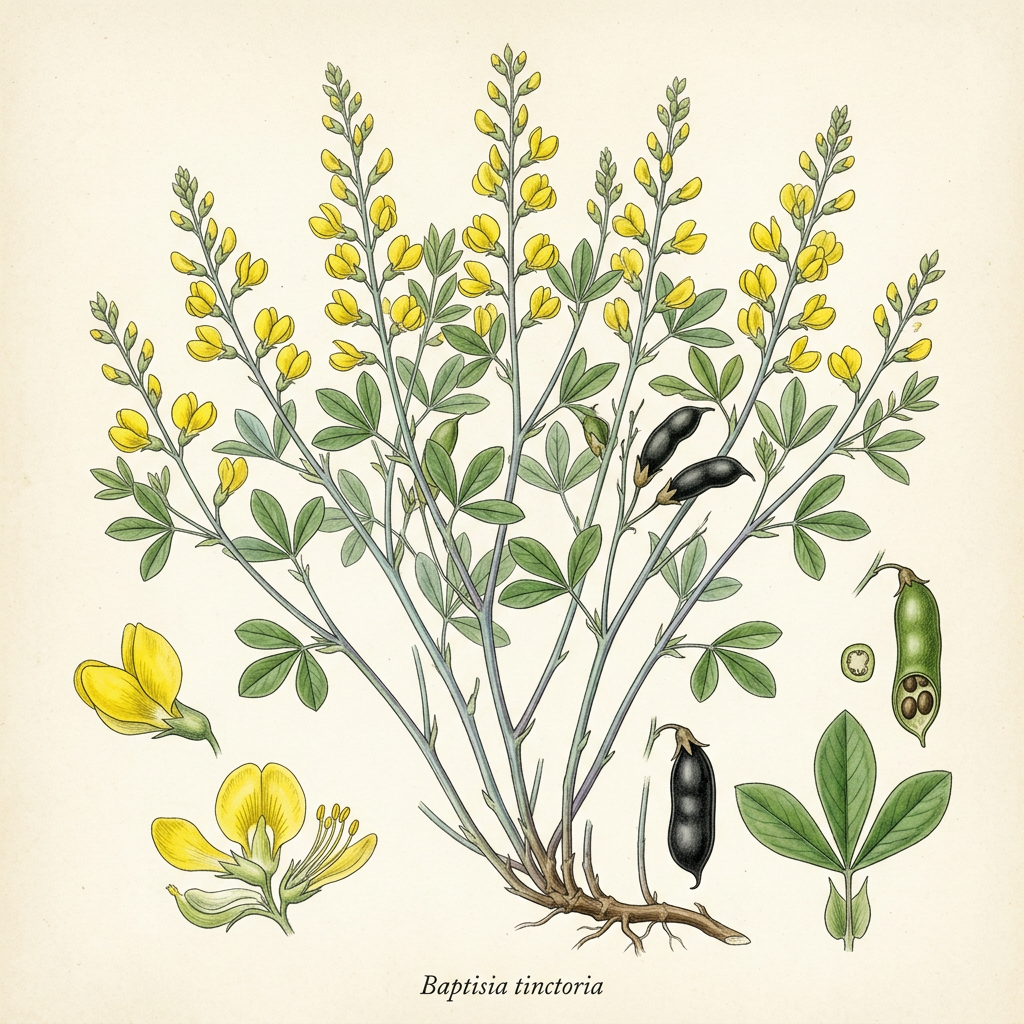
Wild Indigo

Wild Indigo

Baptisia tinctoria

low risk Risk
Fabaceae
### A) Western Herbal Energetics - Core Energetics: Cool and dry; slightly bitter and astringent. - Direction/Movement: Dispersing and cleansing; supports upward and outward movement of energy. - Primary Tissue State Matches: Hot/dry conditions; stagnant or atonic tissue. - Key Traditional Indications: “Heat toxin”, “blood stagnation”, “dampness with irritability”. ### B) TCM - Temperature: Cool. - Flavor: Bitter and astringent. - Channels Entered: Heart, Liver, and Lungs. - Key Patterns: Blood stagnation, Qi deficiency, and heat conditions. ### C) Ayurveda - Rasa: Bitter and astringent. - Virya: Cooling. - Vipaka: Pungent. - Dosha Effects: Balances Pitta; may aggravate Vata and Kapha when used excessively. ### Reputation Summary - “Cooling blood cleanser” (common) - “Stimulant for immune function” (common) - “Astringent and supportive for respiratory health” (common) - “Drying agent for damp conditions” (minority view) ### Practical Clinical Translation Most likely to help: - Blood stagnation and heat conditions. - Respiratory support in cases of excess heat. - Immune stimulation during acute infections. Most likely to aggravate: - Cold/damp conditions. - Deficient states with low energy. - Excessive dryness or irritation. Common Companion Herbs: 1. Echinacea: Enhances immune support, complements Baptisia’s antiviral actions. 2. Mullein: Supports respiratory health, providing moisture to balance Baptisia's drying effects. 3. Ginger: Warming herb that can help counteract potential cold qualities of Baptisia. ### Safety/Contra Energetics - Cautions: Not recommended in states of excess heat or dryness; use cautiously in pregnancy. - Modern Safety Note: Generally safe for most, but should be used under professional guidance in chronic conditions. ### Citations 1. Chevallier, Andrew. The Encyclopedia of Herbal Medicine. 1996. 2. Hoffmann, David. Medical Herbalism: The Science Principles and Practices Of Herbal Medicine. 2003. 3. McIntyre, Roy. Herbal Medicine: A Practical Guide. 2007. PART 1 COMPLETE — say CONTINUE.
<p>Wild Indigo, scientifically known as Baptisia tinctoria, is a perennial herb native to the eastern and central regions of North America. Traditionally, it has been revered in Native American herbal medicine for its diverse therapeutic properties. Indigenous tribes utilized its potent roots primarily as an antiseptic to treat various infections, particularly those affecting the mouth and throat. In the 19th century, wild indigo gained recognition in herbal pharmacopoeias as a treatment for fevers, infectious diseases, and inflammatory conditions, cementing its status as a crucial component in traditional healing practices. The therapeutic benefits of wild indigo are principally attributed to its rich array of bioactive compounds, which confer a spectrum of medicinal properties. Notably, it acts as a powerful antimicrobial, demonstrating efficacy against a range of pathogens that can cause infections in the upper respiratory tract and oral cavity. Alongside its antimicrobial action, wild indigo is recognized for its analgesic and antipyretic qualities, making it a useful ally in alleviating pain and reducing fevers. Its immunomodulatory effects support the body’s immune response, enhancing resilience against infections while maintaining a balanced immune function. Moreover, its lymphatic stimulating properties contribute to the detoxification process and promote overall systemic health. Wild indigo works in the body on multiple fronts. Its active compounds, including alkaloids and flavonoids, support the immune system by encouraging the production and activity of white blood cells, which are crucial for fighting off infections. The herb's soothing properties help to alleviate inflammation in the throat and respiratory tract, providing relief from soreness and irritation. Additionally, wild indigo’s anxiolytic effects help reduce stress and anxiety, contributing to a general sense of well-being, which can bolster immune function. By encompassing these diverse actions, Baptisia tinctoria not only addresses acute health challenges but also promotes long-term resilience, making it a valuable addition to herbal medicine.</p>

Uses & Conditions

Immune Support
Convalescence
Lymphatic Support
Blood Cleansing
Detoxification
Fever
Viral Infections
Respiratory Infections
Sinusitis
Tonsillitis
Pharyngitis
Pneumonia
Colds
Gingivitis
Furunculosis
Boils
Cracked Nipples
Sepsis
Psoriasis
Lymphoedema
Anaemia

Actions

Analgesic
Anti-pyretic
Antiseptic
Anxiolytic
Immunomodulator
Immune Stimulant
Lymphatic
Stimulant
Anti-viral

Synonyms

Wild indigo
Horsefly weed
Yellow Wild indigo
Rattle weed
Yellow broom

Parts Used

Whole plant

Native Countries

North America

USDA Hardiness Zones

USDA 3-9

Dosages, tincture ratios & research — members only

Unlock Garreth's dosing guidance, tincture ratios, the dosage calculator and the research studies for Wild Indigo.

Your assessment and results stay saved — upgrading only unlocks more of them.

See membership plans

Community Photos

No community photos yet. Sign in to upload photos.

Reviews & Ratings

Sign in to leave a review.

No reviews yet. Be the first!

GF

Garreth Falls — B.Th., Dip. H.M., MNIMH

Content curated and reviewed by Garreth Falls, Consultant Medical Herbalist · The Wild Sage

Medical Disclaimer: This information is for educational purposes only and is not intended as medical advice. Always consult with qualified healthcare professionals before starting any herbal treatment.
Western tradition

Sustainability & quality

At risk

Due to habitat loss and historical over-harvesting in North America, United Plant Savers lists this as at-risk; always prefer cultivated sources.

Key constituents

Baptisia tinctoria, flavonoids, glycoprotiens, Coumarin

References

  1. British Herbal Pharmacopoeia 1983
  2. Mills & Bone "The Essential Guide to Herbal Safety" 2005

Reviewed by Garreth, Medical Herbalist (MNIMH) · November 2026

Related conditions

Explore conditions where Wild Indigo is traditionally used.

Related Herbs
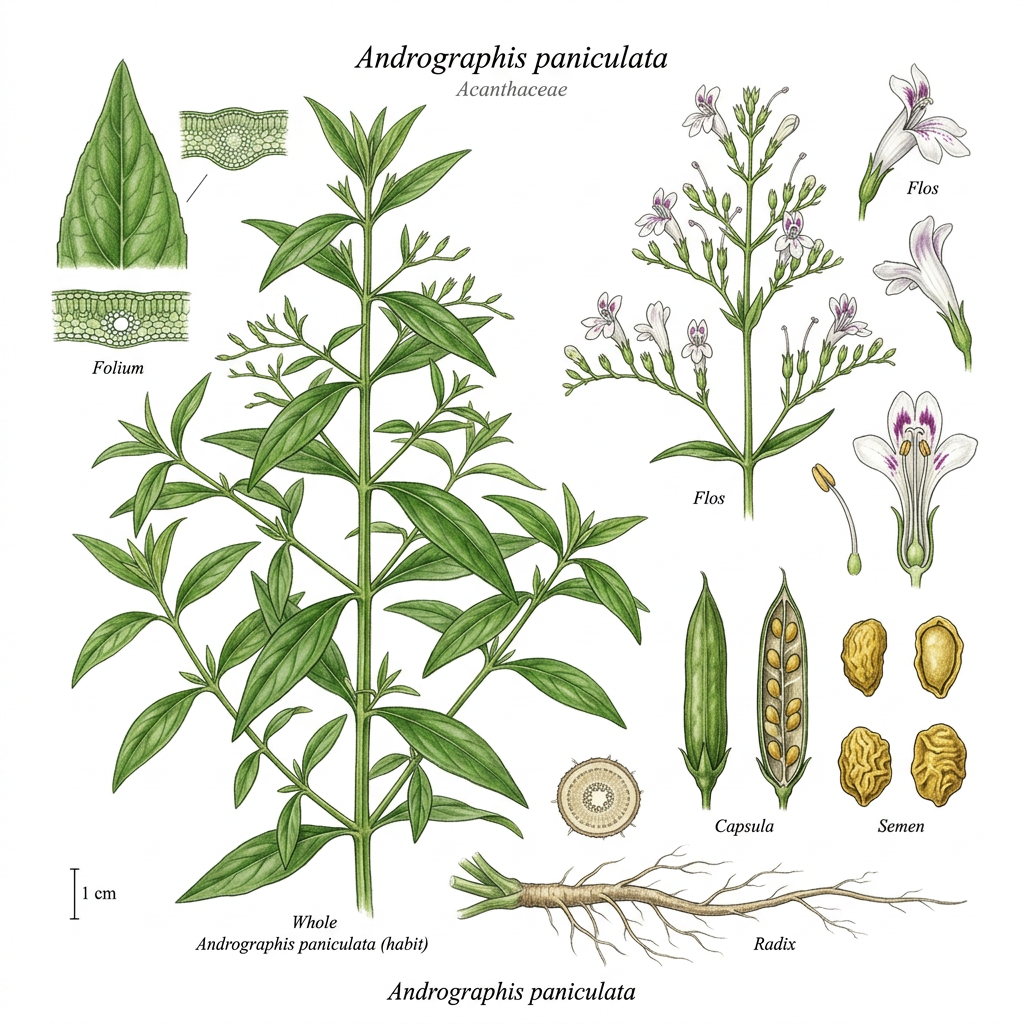
Andrographis

Andrographis

Andrographis paniculata
Immune Support
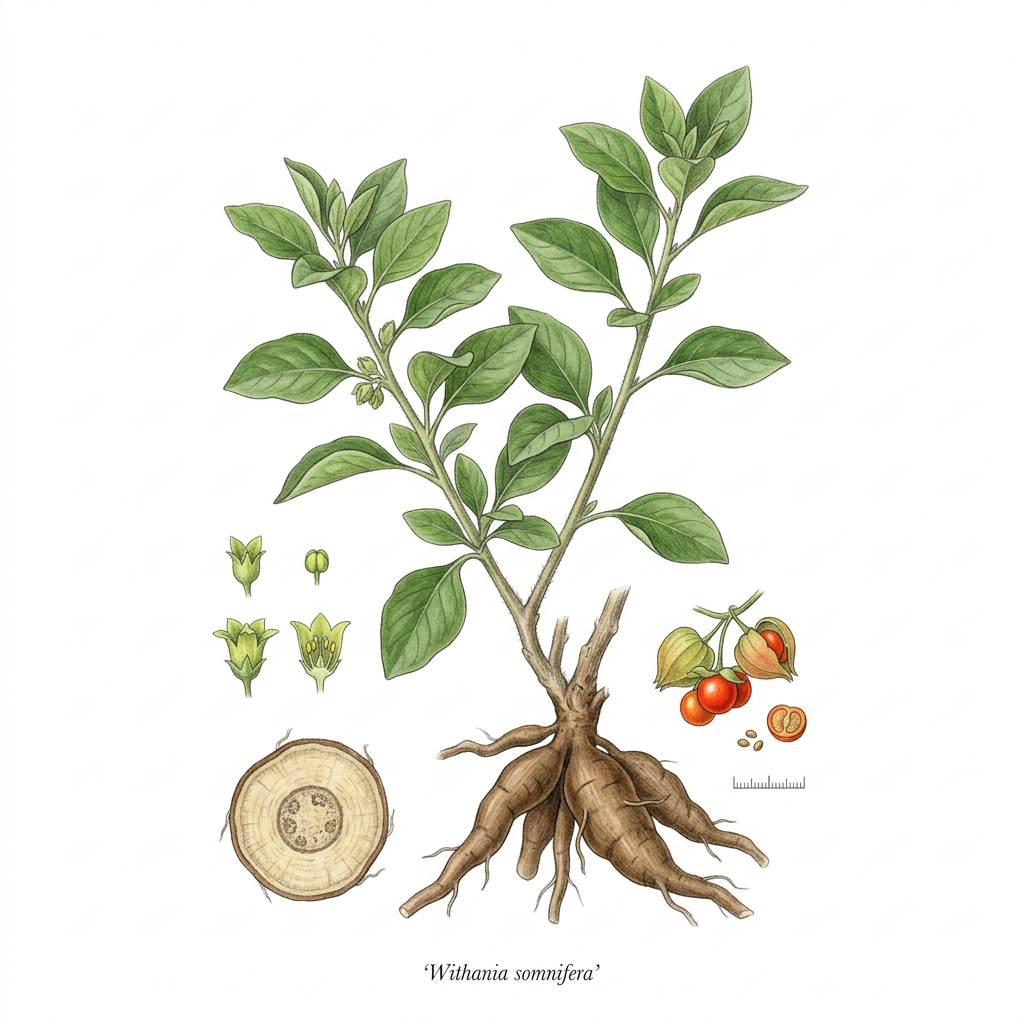
Ashwagandha

Ashwagandha

Withania somnifera

Immune Support
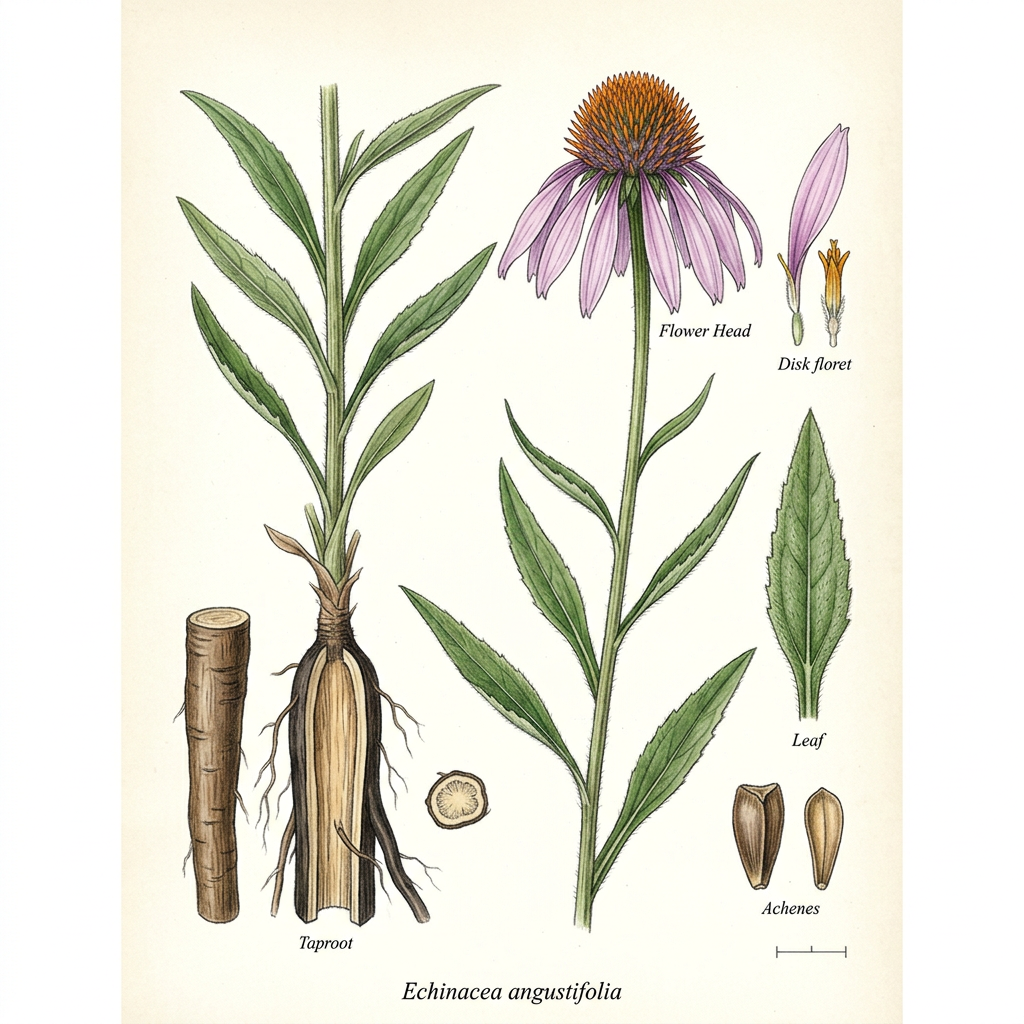
Echinacea angustifolia

Echinacea angustifolia
Echinacea angustifolia

Immune System Support
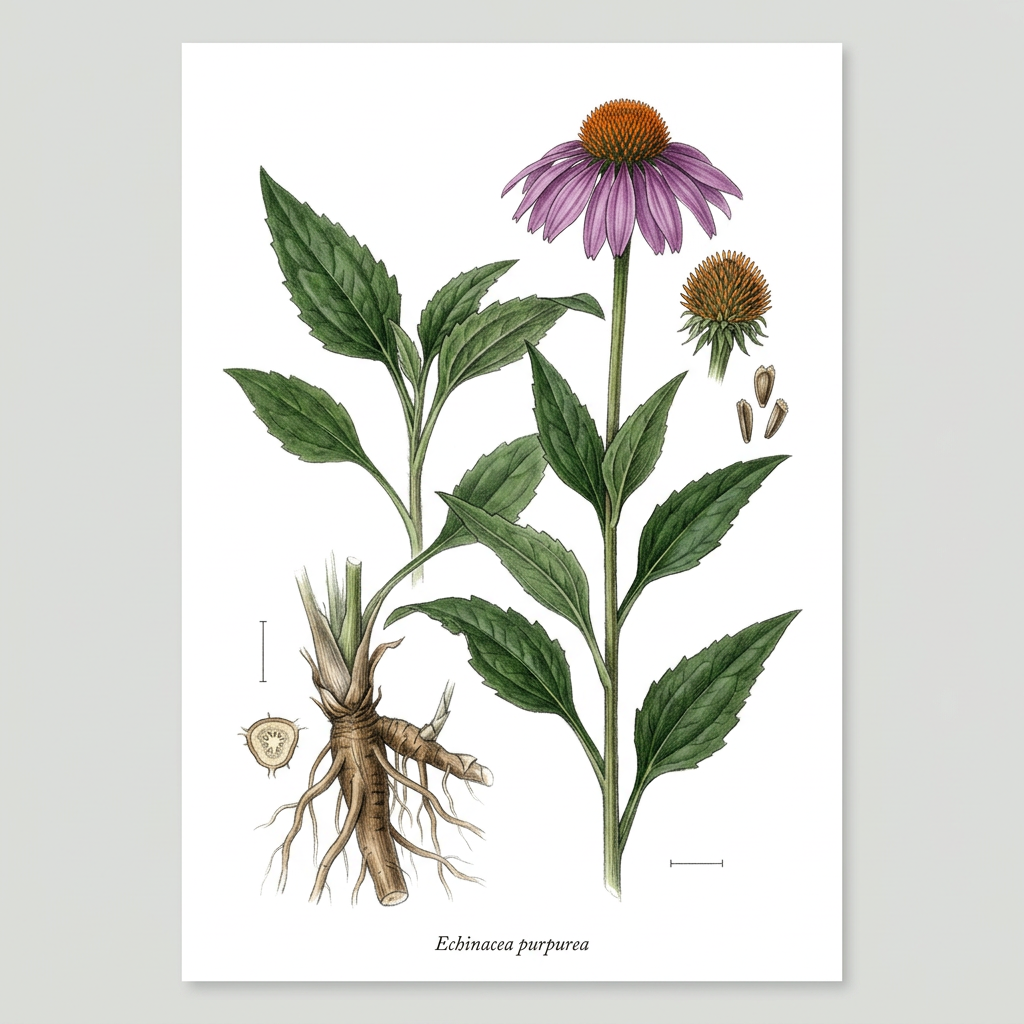
Echinacea purpurea

Echinacea purpurea

Echinacea purpurea

Immune Support