The Wild Sage logo
The Wild Sage Logo

Herbal Medicine at your fingertips

Comprehensive database of herbal remedies with detailed safety information and traditional uses

New to herbal terms? Read the glossary →
ADHD
Abcess
Acid Reflux Relief
Acinetobacter
Acne
Acne Vulgaris
Addisons
Adenomyosis
Adenovirus
Adrenal fatigue
Aging
Aids
Alcaligenes faecalis
Alcoholism
Allergic Rhinitis
Allergies
Allergy
Alopoecia
Alopoecia nervosa
Alzheimer's, Dementia & Cognitive Decline
420 herbs found
Important: This information is for educational purposes only. Always consult with qualified healthcare professionals before using herbal remedies, especially if you have existing health conditions or take medications.
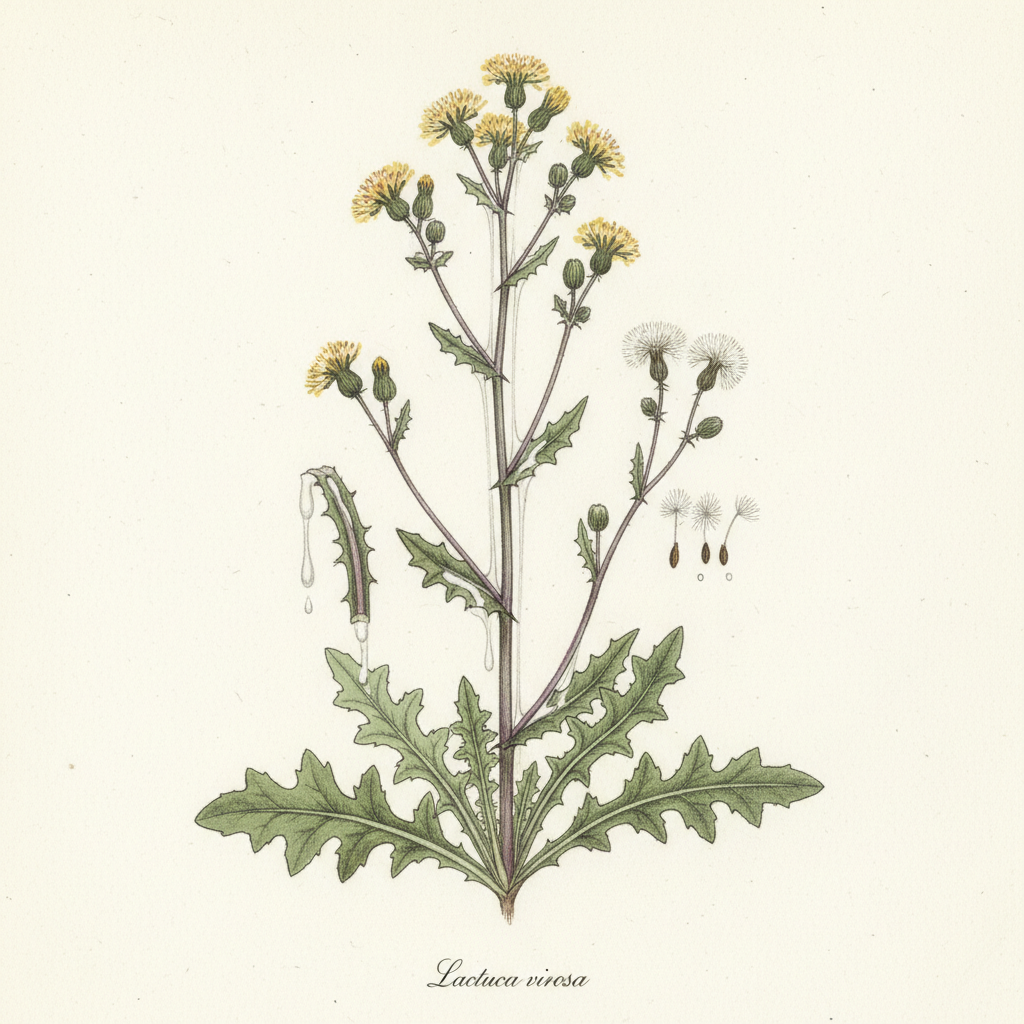
Wild Lettuce

Wild Lettuce

Lactuca virosa

low risk Risk
Asteraceae
### A) Western Herbal Energetics - Core Energetics: Bitter, slightly sweet; cooling and calming properties. - Direction/Movement: Dispersing, with a tendency to relax and sedate. - Primary Tissue States: Hot/dry irritated states, nervous tension, and pain. - Key Traditional Indications: Anxious states, restlessness, and inflammatory conditions. ### B) TCM - Temperature: Cool. - Flavor: Bitter, sweet. - Channels Entered: Heart, Liver, and Spleen. - Key Patterns: Heat in the Liver, deficiency with irritability, and excess heat causing restlessness. ### C) Ayurveda - Rasa: Bitter, astringent. - Virya: Cooling. - Vipaka: Sweet. - Dosha Effects: Pacifies Pitta and Kapha; may aggravate Vata in excess. ### Reputation Summary - Cooling relaxant (common) - Pain reliever (common) - Nervine sedative (minority view) - Digestive aid (minority view) ### Practical Clinical Translation Most likely to help: - Anxiety and nervous tension - Inflammatory pain - Insomnia due to restlessness Most likely to aggravate: - Cold/damp conditions - Excessive Vata imbalances - Depression marked by lethargy and apathy Simple Pairing Logic: 1. Chamomile: Both are calming and help reduce tension. 2. Lavender: Enhances sedative properties and supports relaxation. 3. Passionflower: Complements its nervine effects, aiding in anxiety relief. ### Safety/Contra Energetics - Avoid with known sensitivity to the Compositae family. - Use caution in those with depression or insomnia characterized by early morning restlessness. - Modern Safety Note: May cause allergic reactions in susceptible individuals. ### Citations 1. Hoffmann, David. Medical Herbalism: The Science and Practice of Herbal Medicine. Healing Arts Press, 2003. 2. Mills, Simon, and Bone, Kerry. Principles and Practice of Phytotherapy: Modern Herbal Medicine. Churchill Livingstone, 2000. 3. Chevallier, Andrew. The Encyclopedia of Medicinal Plants: A Practical Reference Guide. DK Publishing, 1996. PART 1 COMPLETE — say CONTINUE
<p>Wild lettuce, scientifically known as Lactuca virosa, is a biennial herbaceous plant that belongs to the Asteraceae family. Commonly found in temperate regions of Europe and North America, it has a long history of use in traditional herbal medicine. Known for its milky sap, which contains a range of bioactive compounds, wild lettuce has been utilized since ancient times as a natural remedy for its sedative and analgesic properties. Ancient Egyptians reportedly used it to promote restful sleep, while European herbalists of the Middle Ages valued wild lettuce as a gentle tranquilizer to alleviate anxiety and promote relaxation. Its calming effects made it a popular ingredient in tinctures and herbal teas to aid those suffering from insomnia and restlessness. The therapeutic properties of wild lettuce extend beyond mere sedative effects; it is also recognized for its ability to relieve pain. The herb contains lactucarium, a potent milky latex that has been shown to provide mild pain relief similar to opiates, without the associated risks of dependency. This makes it particularly appealing for individuals seeking natural alternatives to conventional analgesics. In addition to its pain-relieving capabilities, wild lettuce functions as a relaxant, making it effective for alleviating muscle tension and promoting emotional well-being. When consumed, whether through an infusion, tincture, or extract, the herb tends to ease both physical and mental discomfort, helping to create a holistic sense of tranquillity. The therapeutic actions of wild lettuce can be attributed to its capacity to modulate the central nervous system. Its sedative effects are primarily associated with the compounds found in the plant that bind to neurotransmitter receptors, enhancing the sensation of calm and minimizing the perception of pain. By promoting the release of neurotransmitters like serotonin, wild lettuce can help balance mood and improve overall sleep quality, allowing for restorative rest. As a versatile herb, wild lettuce serves not only as a remedy for insomnia but also as a supportive ally for individuals seeking to navigate the challenges of modern life with greater ease and comfort.</p>

Uses & Conditions

Emotional Well-being
Sleep Quality
Stress Relief
Withdrawal Symptoms
Anxiety
Insomnia
Chronic Pain
Inflammation
Restlessness
Allergic Rhinitis
Asthma
Bronchitis
Cough
Cancer
Muscle Tension

Actions

Relaxant
Analgesic
Sedative
Anxiolytic
Nervine
NFkB Inhibitor
TNF-a Reduction

Parts Used

Aerial parts or latex

Native Countries

Europe
North America
Mediterranean

USDA Hardiness Zones

USDA 3-11

Contraindications

  • Pregnancy and breastfeeding: insufficient safety data available; avoid use
  • Surgery: discontinue use at least two weeks before scheduled surgical procedures
  • Prostate enlargement: use with caution as some constituents may affect urinary retention
  • Glaucoma: potential for mydriasis or increased intraocular pressure
  • Allergy to Asteraceae family: avoid if known hypersensitivity to ragweed
  • marigolds
  • or daisies

Potential Side Effects

  • Drowsiness and lethargy at higher doses
  • Dizziness or impaired coordination
  • Mild gastrointestinal upset or nausea
  • Contact dermatitis from handling fresh latex sap

Interactions

  • Sedative medications: may potentiate effects of benzodiazepines, barbiturates, and CNS depressants
  • Analgesics: may have an additive effect when combined with opioid pain relief medications
  • Anticoagulants and antiplatelet drugs: use with caution alongside warfarin or aspirin
  • Herbal sedatives: avoid concurrent use with valerian, hops, or skullcap

Dosages, tincture ratios & research — members only

Unlock Garreth's dosing guidance, tincture ratios, the dosage calculator and the research studies for Wild Lettuce.

Your assessment and results stay saved — upgrading only unlocks more of them.

See membership plans

Community Photos

No community photos yet. Sign in to upload photos.

Reviews & Ratings

Sign in to leave a review.

No reviews yet. Be the first!

GF

Garreth Falls — B.Th., Dip. H.M., MNIMH

Content curated and reviewed by Garreth Falls, Consultant Medical Herbalist · The Wild Sage

Medical Disclaimer: This information is for educational purposes only and is not intended as medical advice. Always consult with qualified healthcare professionals before starting any herbal treatment.
Western tradition

Sustainability & quality

Abundant

Often grows as a weed. If using for specific phytochemical profile, ensure identification is correct, as species variance is high.

Key constituents

Flavonoids, Laytex, Iridoid monoterpene, Sesquiterpine lactones, Luteolin, Apigenin, Quercetin

References

  1. British Herbal Pharmacopoeia 1983
  2. Herbal Reality. Herb monographs. herbalreality.com

Reviewed by Garreth, Medical Herbalist (MNIMH) · November 2026

Related conditions

Explore conditions where Wild Lettuce is traditionally used.

Related Herbs
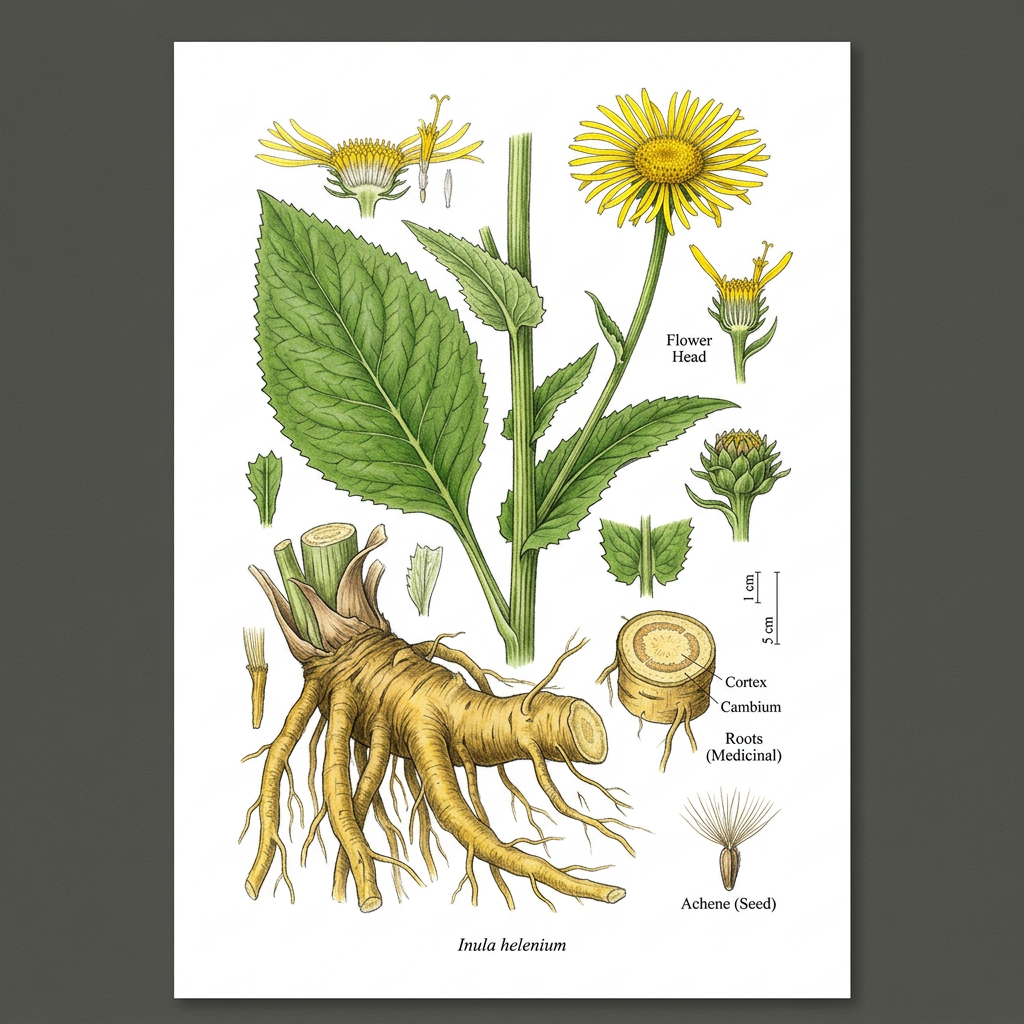
Elecampane

Elecampane

Inula helenium

Lung Health
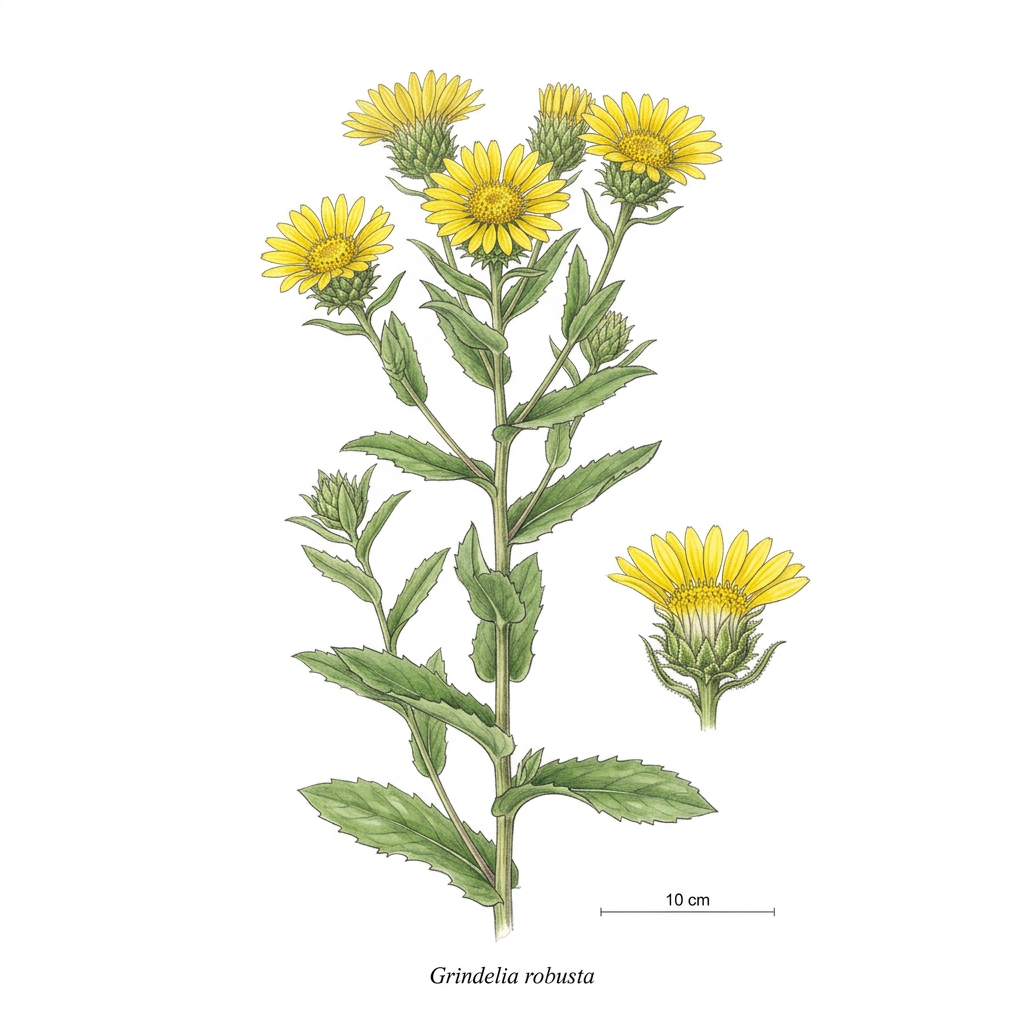
Grindelia

Grindelia

Grindelia robusta

Mucus clearance
Chamomile

Chamomile

Matricaria recutita

Digestive Tonic
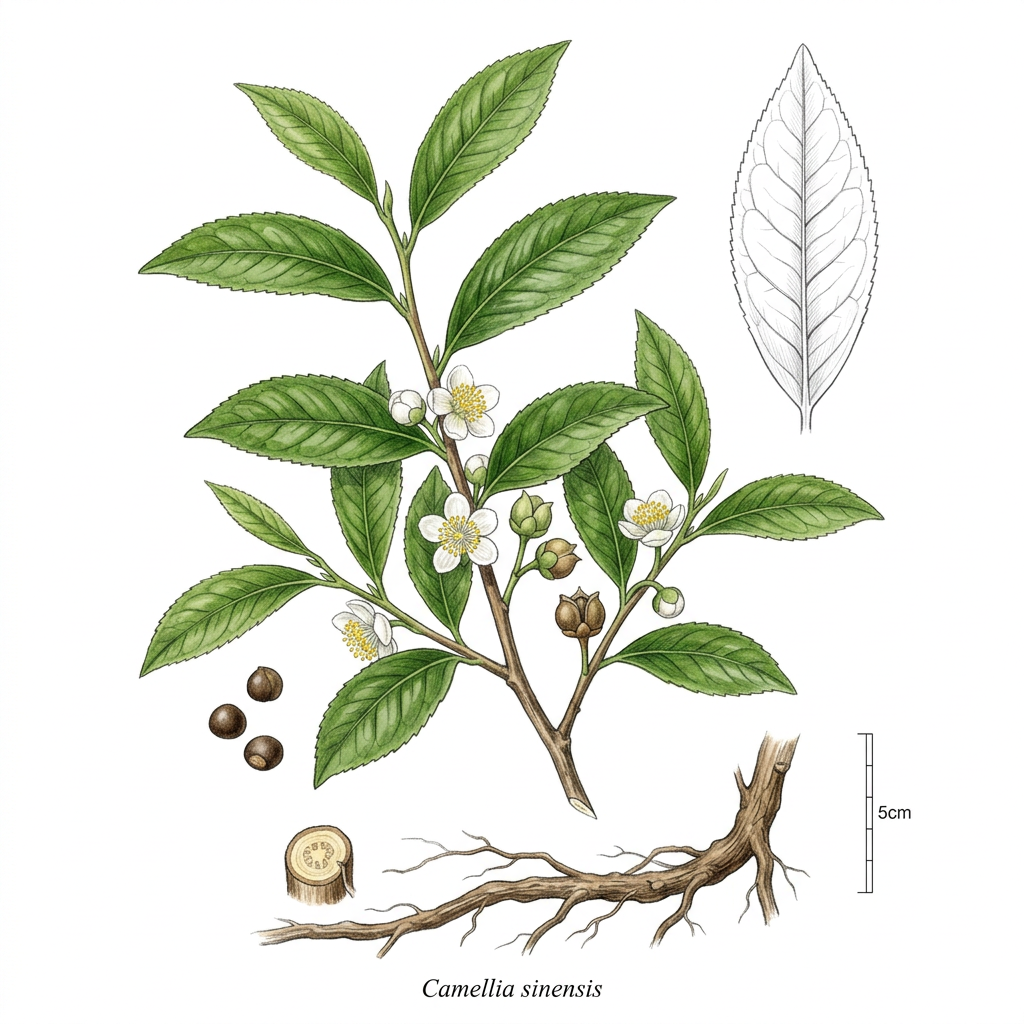
Green Tea

Green Tea

Camellia sinensis

Hypertension