The Wild Sage logo
The Wild Sage Logo

Herbal Medicine at your fingertips

Comprehensive database of herbal remedies with detailed safety information and traditional uses

New to herbal terms? Read the glossary →
ADHD
Abcess
Acid Reflux Relief
Acinetobacter
Acne
Acne Vulgaris
Addisons
Adenomyosis
Adenovirus
Adrenal fatigue
Aging
Aids
Alcaligenes faecalis
Alcoholism
Allergic Rhinitis
Allergies
Allergy
Alopoecia
Alopoecia nervosa
Alzheimer's, Dementia & Cognitive Decline
420 herbs found
Important: This information is for educational purposes only. Always consult with qualified healthcare professionals before using herbal remedies, especially if you have existing health conditions or take medications.
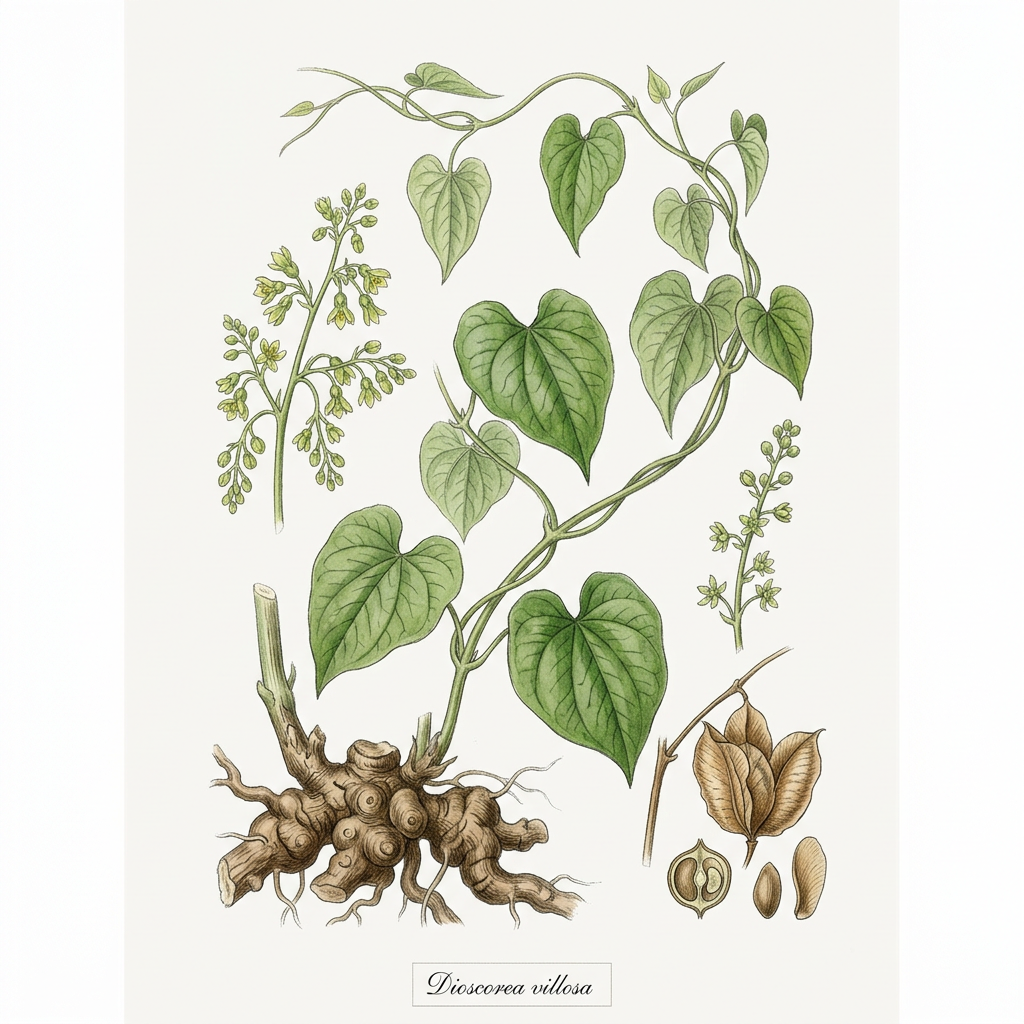
Wild Yam

Wild Yam

Dioscorea villosa

low risk Risk
Dioscoraceae
Slightly warming and moistening, beneficial for cold/damp conditions and adrenal support.
<p>Wild yam, scientifically known as Dioscorea villosa, is a perennial vine indigenous to the woodlands of North America, historically revered in traditional herbal medicine for its versatile therapeutic applications. Indigenous peoples have utilized wild yam for centuries, often preparing herbal infusions and poultices to address various ailments, particularly those related to women's health. Its reputation as a natural remedy for menstrual discomfort and reproductive issues has made it a staple in herbal repertoire, further bolstered by its inclusion in modern herbal formulations. The therapeutic properties of wild yam are extensive and multifaceted. This herb is particularly well-regarded for its antispasmodic effects, providing relief from menstrual cramps and digestive colic, making it a go-to remedy for soothing spasms in the smooth muscles of the gastrointestinal tract. Beyond its role in alleviating these acute discomforts, wild yam is recognized for its broader spectrum of health benefits, including anti-inflammatory and antioxidant properties that can support conditions such as arthritis and cardiovascular health. Its ability to modulate hormonal balance, particularly through its components that have been linked to estrogenic activity, further enhances its significance in treating menopausal symptoms and supporting women's reproductive health. Moreover, the cholagogue action of wild yam promotes bile flow, potentially aiding digestion and liver function. The mechanism by which wild yam exerts its effects is primarily attributed to its rich array of bioactive compounds, including diosgenin, which has gained attention for its ability to mimic certain hormonal functions in the body. By acting on GABA receptors and influencing serotonin levels, wild yam may impart a calming effect on the nervous system, easing anxiety and promoting relaxation. Its spasmolytic action directly impacts smooth muscle tissues, alleviating spasms and discomfort while its anti-rheumatic and anti-inflammatory properties contribute to overall joint and muscle health. Collectively, these actions position wild yam as a holistic therapeutic agent with notable applications in both acute symptom relief and long-term wellness strategies.</p>

Uses & Conditions

Reproductive health
Cardiovascular health
Bile flow support
Hepatic support
Menopause
Immune support
Cholecystitis
Ulcerative colitis
Spasms
Low mood
Pancreatitis
Hormone imbalance
Dysmenorrhoea
Dyspepsia
Diverticulitis
Appendicitis
Biliary dyskinesia
Dyslipidemia
Rheumatoid arthritis
Menorrhagia
Chronic fatigue syndrome
Osteoarthritis
Menstrual discomfort
Anxiety

Actions

Hormonal balancer
Adrenal restorative
Stomachic
Diaphoretic
Oestrogen modulator
Antispasmodic
GABA receptor enhancer
Nervine
Relaxant
Antitussive
Dopaminergic
Sedative
Anti-inflammatory
Selective Oestrogen Receptor Modulator
Anticholesterolemic
Cardio sedative
Serotonergic
Anti-rheumatic
Cholagogue
Hepatic
NFkB inhibitor

Synonyms

Colic root
Rheumatism Merione villosa L.
Dioscorea sativa L.
Dioscorea cliffortiana L.

Parts Used

Tuber

Native Countries

North America

USDA Hardiness Zones

USDA 3-9

Dosages, tincture ratios & research — members only

Unlock Garreth's dosing guidance, tincture ratios, the dosage calculator and the research studies for Wild Yam.

Your assessment and results stay saved — upgrading only unlocks more of them.

See membership plans

Community Photos

No community photos yet. Sign in to upload photos.

Reviews & Ratings

Sign in to leave a review.

No reviews yet. Be the first!

GF

Garreth Falls — B.Th., Dip. H.M., MNIMH

Content curated and reviewed by Garreth Falls, Consultant Medical Herbalist · The Wild Sage

Medical Disclaimer: This information is for educational purposes only and is not intended as medical advice. Always consult with qualified healthcare professionals before starting any herbal treatment.
Western tradition

Sustainability & quality

At risk

Populations are under pressure due to popularity and habitat loss. Prefer cultivated sources and verify the identity against common adulterants.

Key constituents

Dioscorea saponins, Diosgenin, Alkaloids, Phytohormones, Saponins, Sterols, Tannin, Starch

References

  1. British Herbal Pharmacopoeia 1983

Reviewed by Garreth, Medical Herbalist (MNIMH) · November 2026

Related conditions

Explore conditions where Wild Yam is traditionally used.

Related Herbs
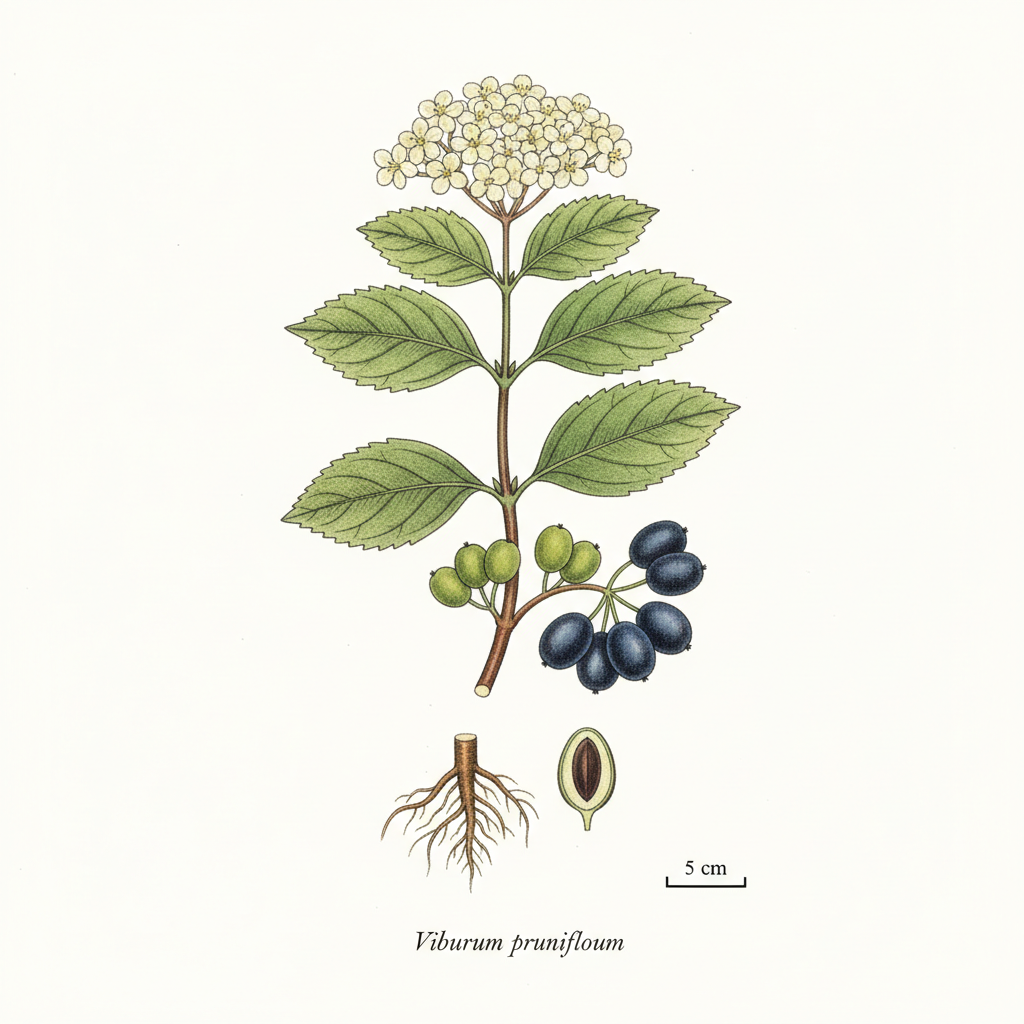
Black haw

Black haw

Viburnum prunifolium

Menstrual Support
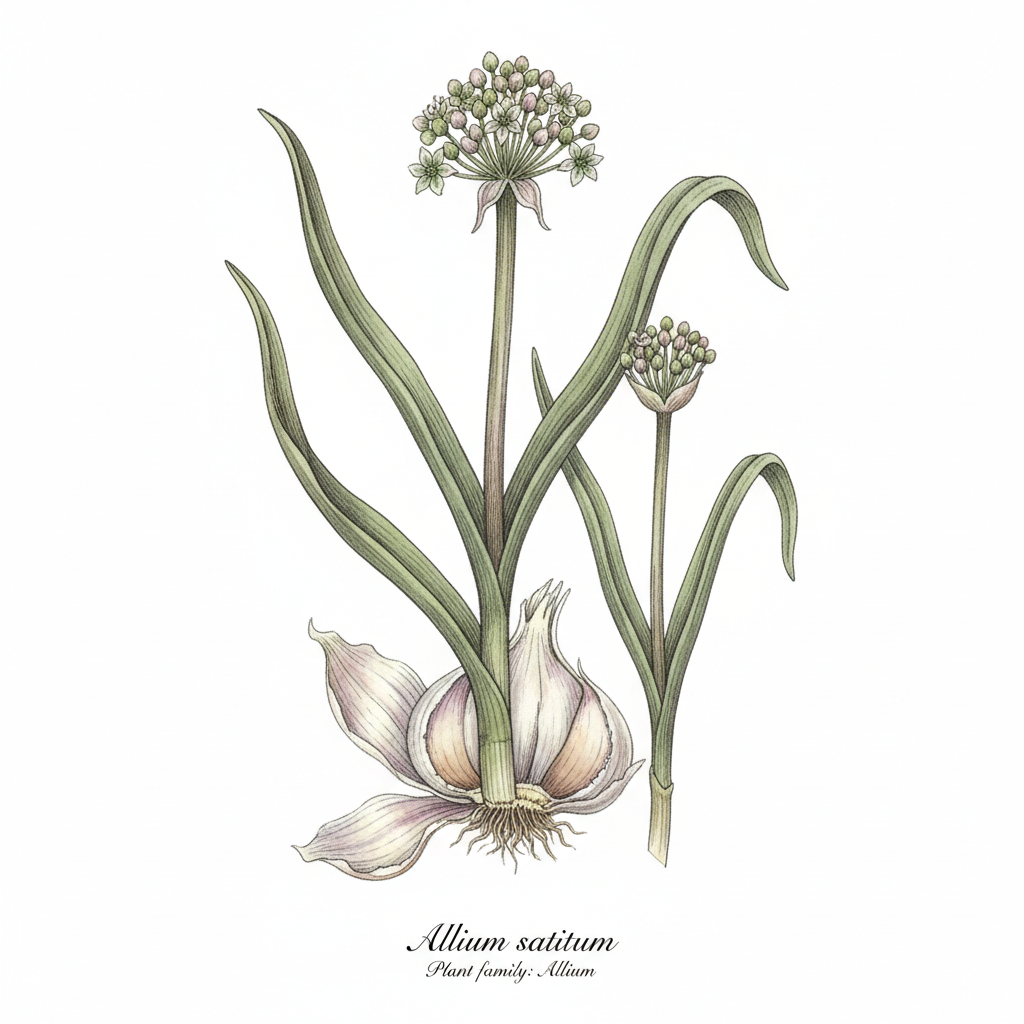
Garlic

Garlic

Allium sativum

Immune Support
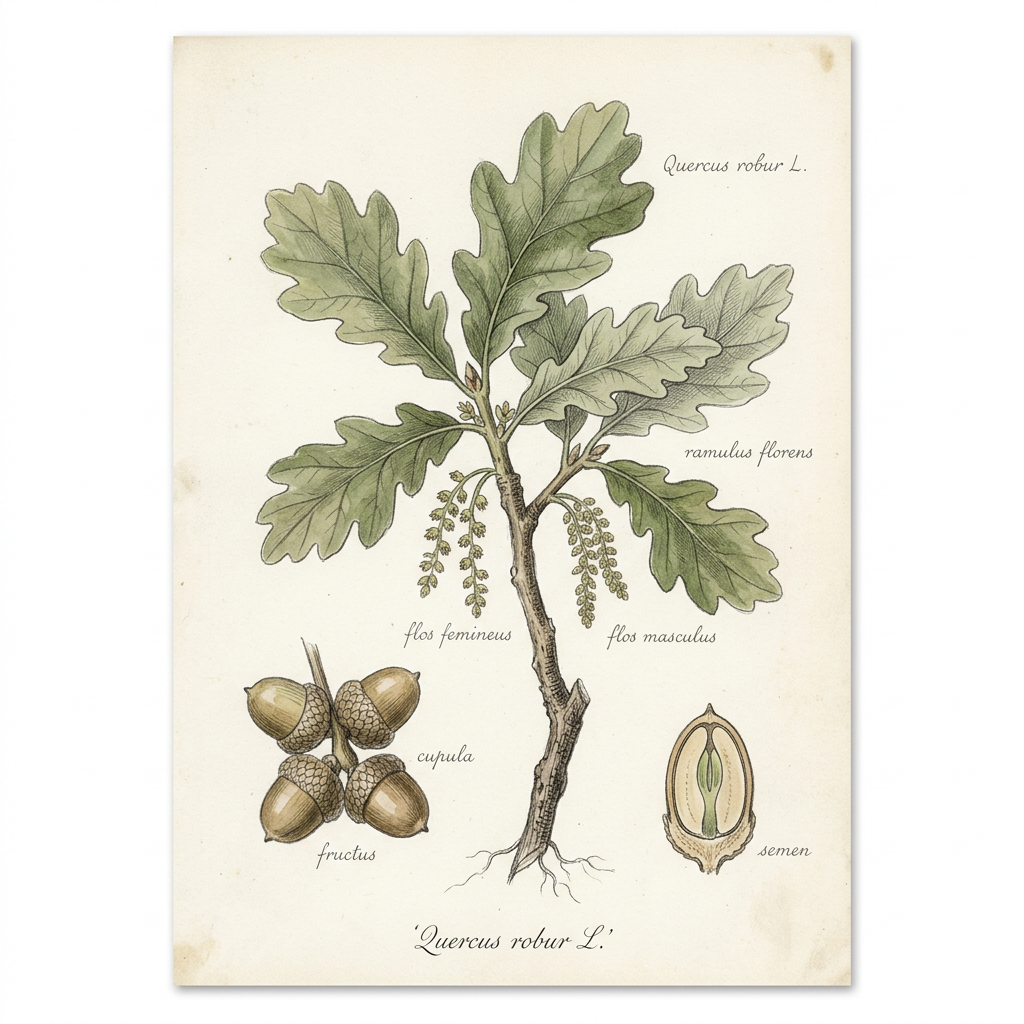
Oak

Oak

Quercus spp

Nutritional Support
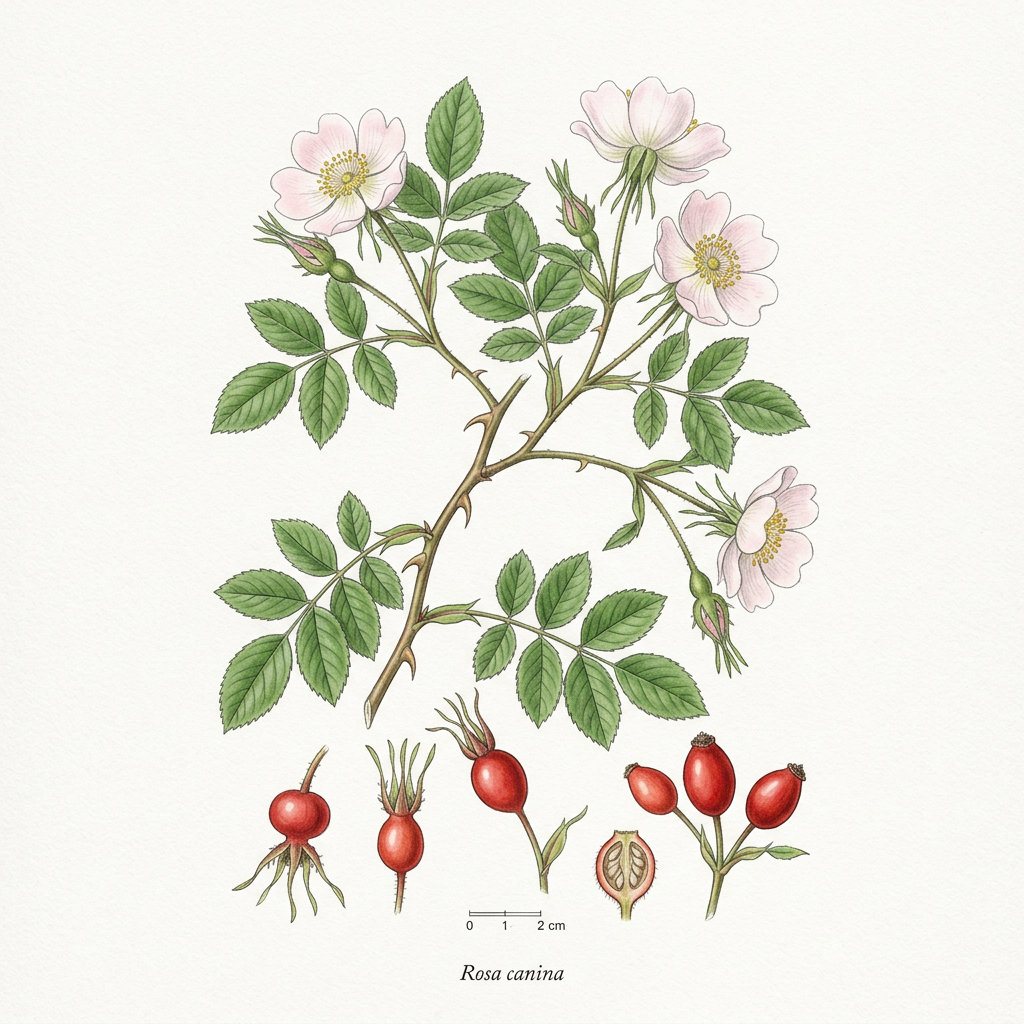
Dog rose

Dog rose

Rosa canina

Immune Support