

Herbal Medicine at your fingertips
Comprehensive database of herbal remedies with detailed safety information and traditional uses
New to herbal terms? Read the glossary →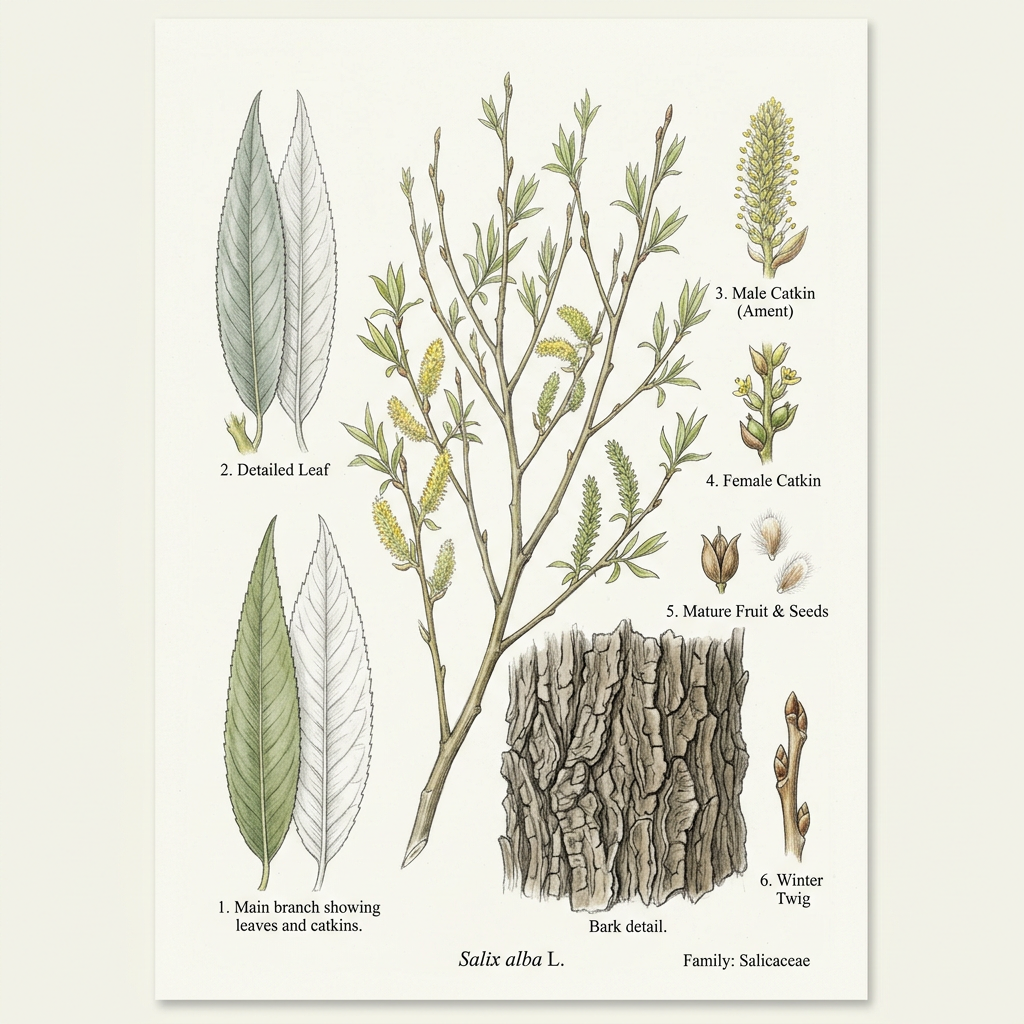
Willow
Salix alba
Uses & Conditions
Actions
Parts Used
Native Countries
USDA Hardiness Zones
Preparations & Dosage
- Decoction: Simmer 1-2 grams of dried bark in 250ml of water for 10-15 minutes; drink up to three times daily.
- Tincture: 1:2 ratio in 35% ethanol; take 20-30ml per week.
- Capsule: Standardised extracts containing 60-240mg of salicin per day, divided into 2-3 doses.
Maximum weekly dose: 50ml
Contraindications
- Hypersensitivity to salicylates or aspirin
- G6PD deficiency
- Children
- History of allergic reactions
- Neurological diseases
- Concurrent use of powerful analgesics
- Depression and psychosis
- Not a substitute for aspirin for myocardial infarction or stroke
Potential Side Effects
- Mild gastrointestinal upset
- Nausea
- Abdominal pain
- Allergic reactions
- Gastric mucosal irritation or ulceration with prolonged high-dose usage
Interactions
- Antiplatelet and anticoagulant medications: May increase the risk of bleeding
- Non-steroidal anti-inflammatory drugs (NSAIDs): May increase the risk of gastric irritation or gastrointestinal bleeding
- Methotrexate: May reduce renal clearance and increase toxicity
- Beta-blockers: High doses may reduce effectiveness of antihypertensive treatments
Dosage Calculator
Community Photos
No community photos yet. Sign in to upload photos.
Scientific Studies & Sources
Efficacy and tolerability of a standardized willow bark extract in patients with osteoarthritis: randomized placebo-controlled, double blind clinical trial
Treatment of low back pain exacerbations with willow bark extract: a randomized double-blind study
Willow Bark (Salix spp.) Used for Pain Relief in Arthritis: A Meta-Analysis of Randomized Controlled Trials
Reviews & Ratings
Sign in to leave a review.
No reviews yet. Be the first!
Garreth Falls — B.Th., Dip. H.M., MNIMH
Content curated and reviewed by Garreth Falls, Consultant Medical Herbalist · The Wild Sage
Sustainability & quality
AbundantFast growing and widely available. Bark should be harvested sustainably from coppiced trees where possible.
Key constituents
Catechin, flavonoids, Oligomeric procyanidins, Salicin, Salicylates, Tannin
References
- ESCOP Monographs 2nd ed. 2003
- EMA/HMPC Community Herbal Monograph
- British Herbal Pharmacopoeia 1983
- Herbal Reality. Herb monographs. herbalreality.com
Reviewed by Garreth, Medical Herbalist (MNIMH) · November 2026
Related conditions
Explore conditions where Willow is traditionally used.
Related Herbs
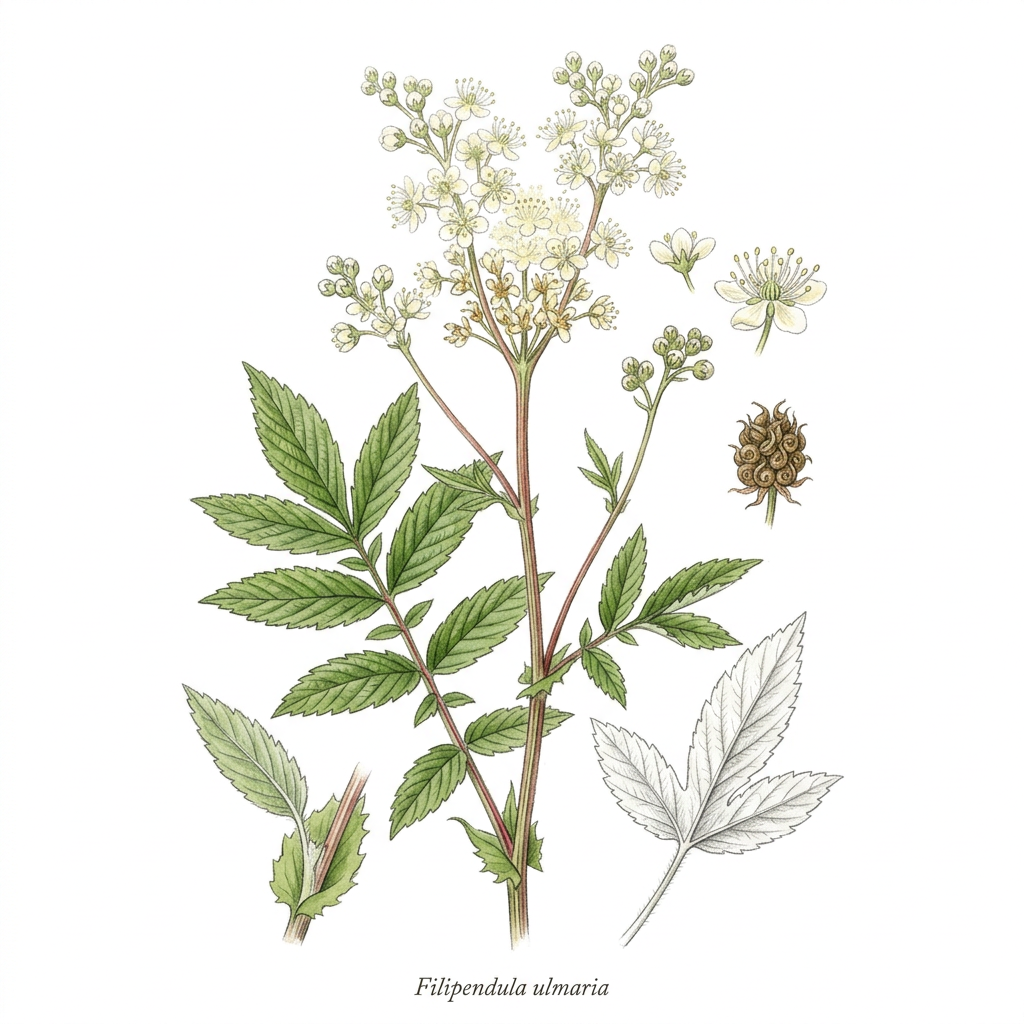
Filipendula ulmaria
Filipendula ulmaria
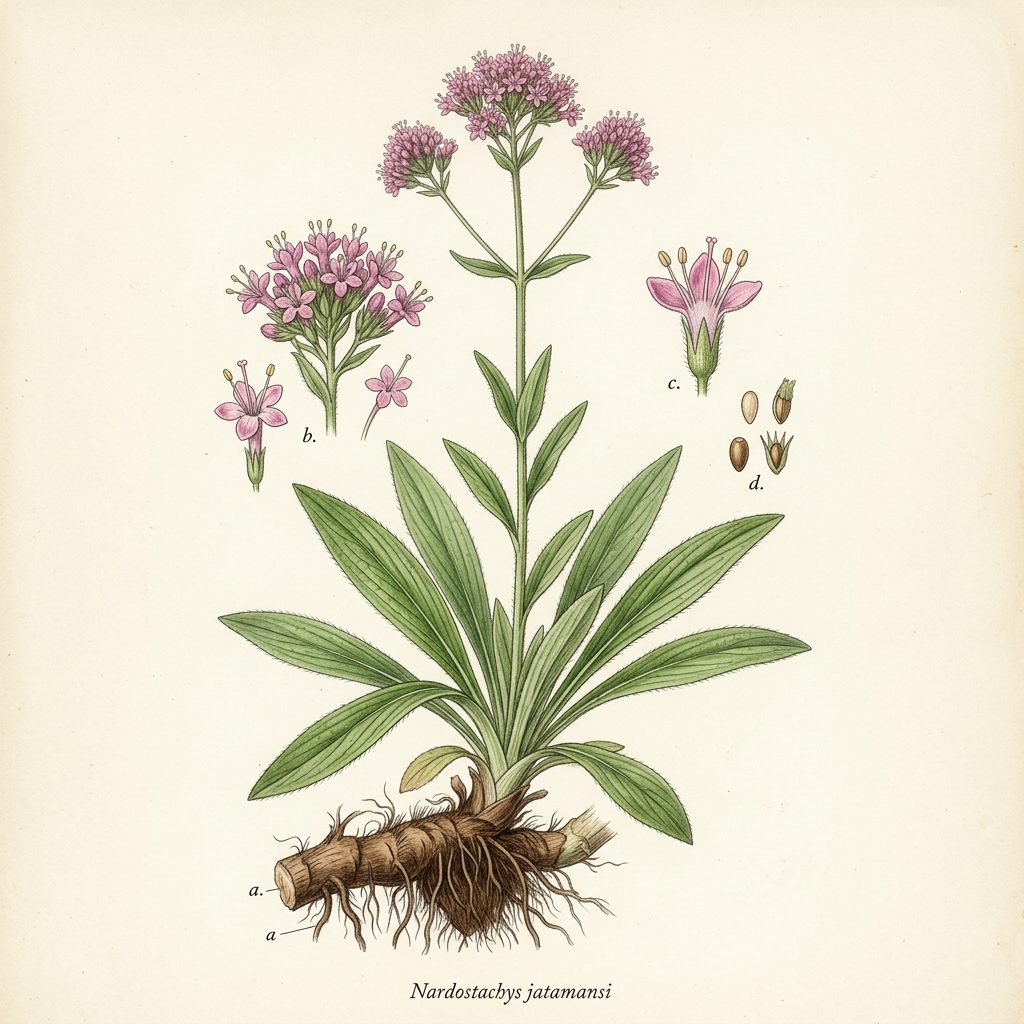
Spikenard
Spikenard
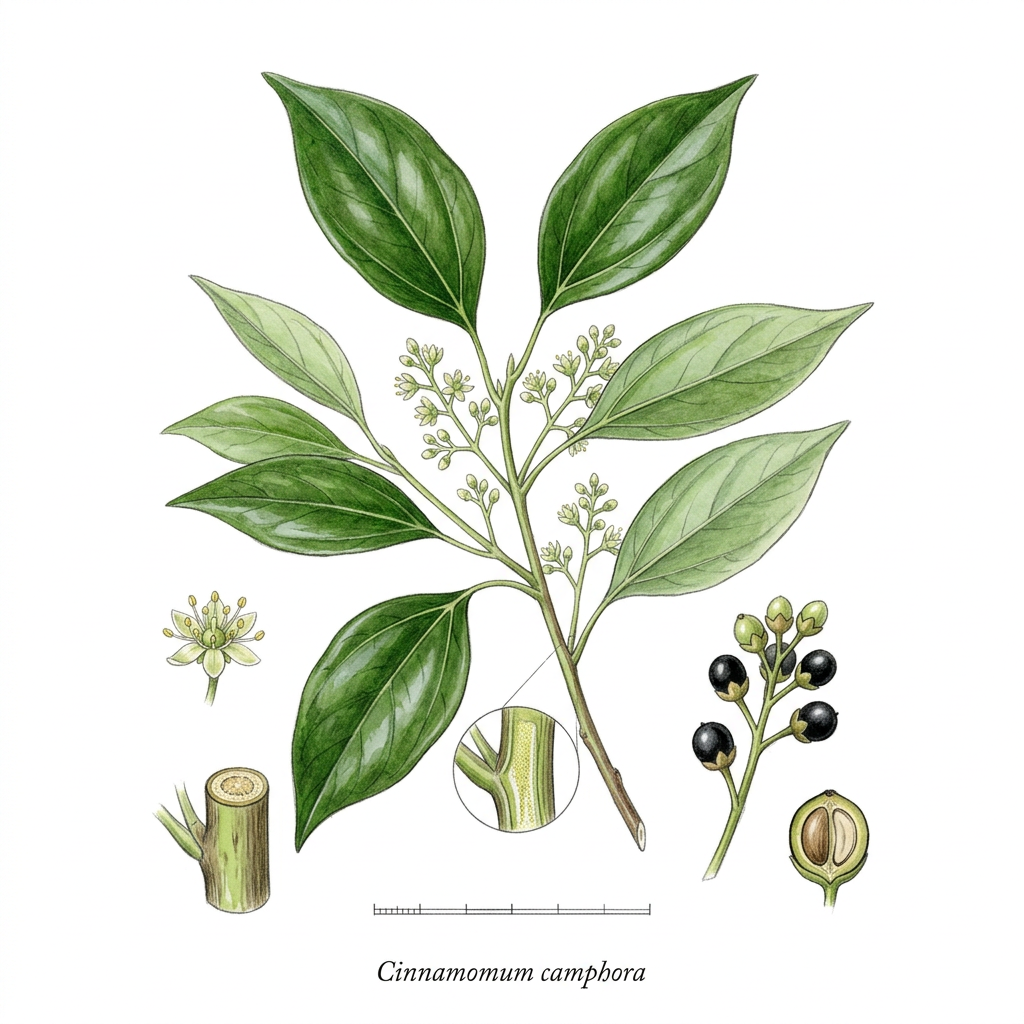
Camphor
Cinnamomum camphora
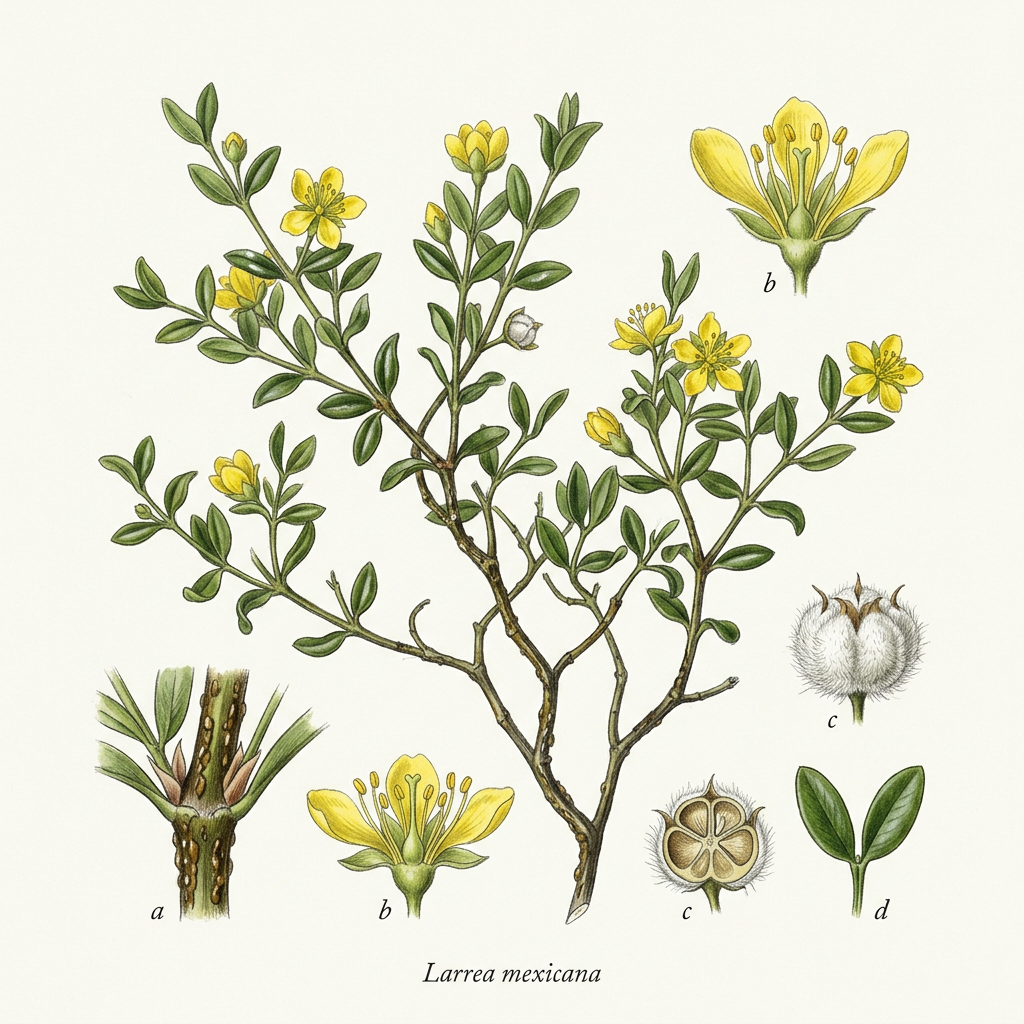
Chaparral
Larrea tridentata