The Wild Sage logo
The Wild Sage Logo

Herbal Medicine at your fingertips

Comprehensive database of herbal remedies with detailed safety information and traditional uses

New to herbal terms? Read the glossary →
ADHD
Abcess
Acid Reflux Relief
Acinetobacter
Acne
Acne Vulgaris
Addisons
Adenomyosis
Adenovirus
Adrenal fatigue
Aging
Aids
Alcaligenes faecalis
Alcoholism
Allergic Rhinitis
Allergies
Allergy
Alopoecia
Alopoecia nervosa
Alzheimer's, Dementia & Cognitive Decline
420 herbs found
Important: This information is for educational purposes only. Always consult with qualified healthcare professionals before using herbal remedies, especially if you have existing health conditions or take medications.
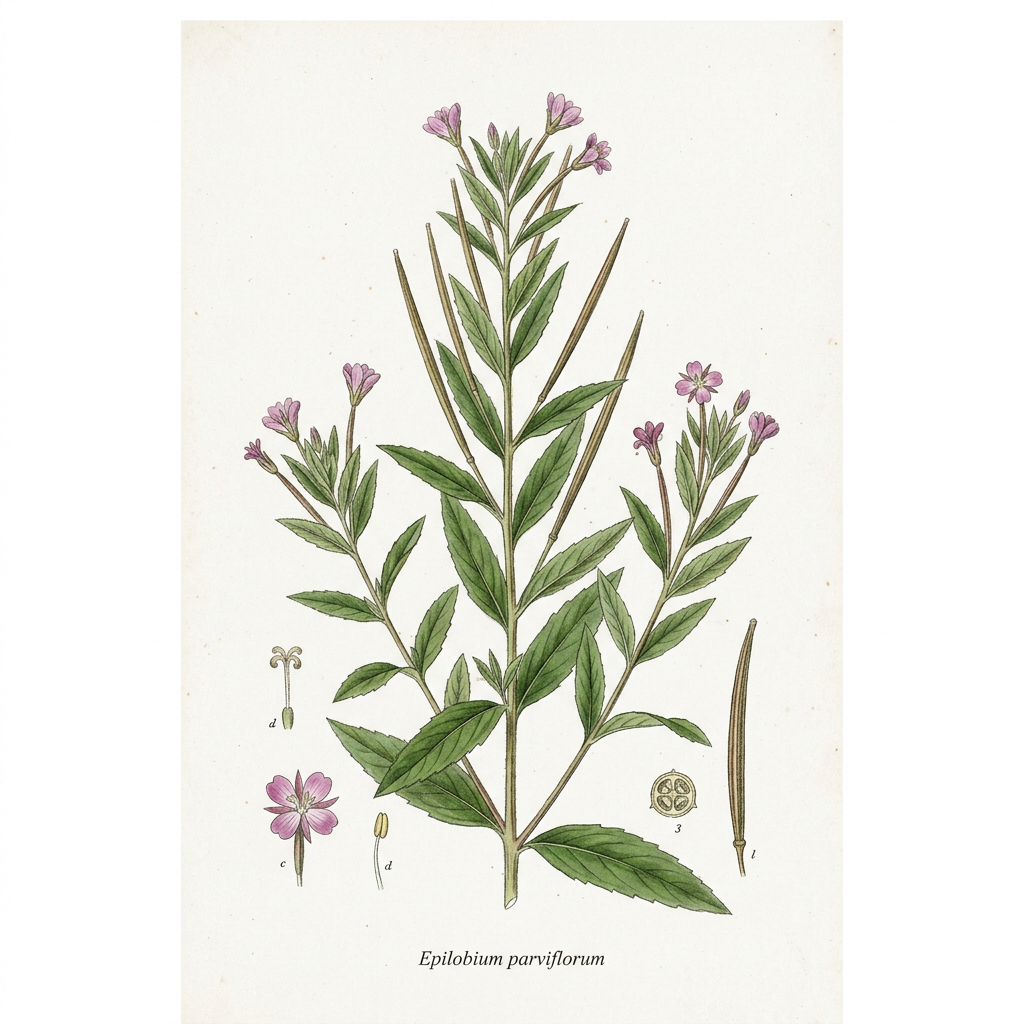
Willow herb

Willow herb

Epilobium parviflorum

low risk Risk
Onagraceae
Soothes digestion and inflammation, promoting healing in mucous membranes.
<p>Willow herb, also known as Epilobium parviflorum, is a perennial flowering plant belonging to the Onagraceae family. Traditionally revered in North American and European herbal medicine, this herb has been utilized for centuries for its diverse therapeutic applications. Indigenous communities and herbalists have historically employed willow herb to address a variety of ailments, including urinary tract infections, gastrointestinal disorders, and respiratory issues. Its delicate pink flowers and slender green stems, often found in damp meadows and grasslands, not only contribute to its aesthetic charm but also hint at its robust therapeutic properties, drawing the interest of herbalists and natural health practitioners alike. The primary therapeutic actions of willow herb are largely attributed to its anti-inflammatory and astringent qualities. Recent studies have suggested that these properties can be particularly beneficial for conditions such as prostatitis and benign prostatic hyperplasia (BPH) in men, as the herb can help soothe inflammation and promote urinary health. Additionally, willow herb has been noted for its potential antioxidant effects, which help combat oxidative stress in the body. The active compounds, including flavonoids and tannins, are believed to play a crucial role in its efficacy, contributing to overall wellness by reducing inflammation and supporting the body’s natural defense mechanisms. Furthermore, its mild astringent nature can assist in promoting digestive health, making it a versatile herb in both dietary and medicinal contexts. When introduced into the body, willow herb harnesses its therapeutic properties through a multifaceted approach. The anti-inflammatory compounds work by modulating immune responses, which helps reduce swelling and irritation in affected tissues. This mechanism is particularly advantageous for individuals suffering from conditions that involve chronic inflammation. Additionally, willow herb’s astringent properties may encourage tissue repair and enhance mucosal integrity, supporting the body's healing processes. As researchers continue to explore the biochemical pathways impacted by willow herb, it remains a compelling subject of study for its potential roles in holistic health practices. Whether used as a tea, tincture, or extract, willow herb continues to be a valued ally in natural medicine, showcasing the enduring wisdom of traditional herbal therapies.</p>

Uses & Conditions

Hormonal Balance
Tissue Repair
Antioxidant Effects
Fluid Balance
Benign Prostatic Hyperplasia
Prostatitis
Urinary Tract Infections
Gastrointestinal Disorders
Respiratory Issues
Menorrhagia
Ulcerative Colitis
Urinary Retention

Actions

Anti-inflammatory
Anti-prostatic
NFkB Inhibitor
TNF-a Reduction
IL6 Inhibitor
Mucous Membrane Tonic
Diuretic
Astringent

Parts Used

aerial parts

Native Countries

Europe

USDA Hardiness Zones

USDA 3-10

Preparations & Dosage

  • Infusion: 1.5-2.0 g of dried herb in 250 ml of boiling water, taken 2 times daily
  • Tincture: 1:3, 45% alcohol, 2-5 ml taken 3 times daily
  • Decoction: 5 g of dried aerial parts simmered for 10 minutes, consumed as part of a daily protocol

Maximum weekly dose: 105 ml

Contraindications

  • Pregnancy: insufficient safety data available
  • Breastfeeding: avoid use due to lack of established evidence
  • Hormone-dependent cancers: use with caution until further clinical research clarifies androgen-modulating effects
  • Acute
  • undiagnosed urinary retention: requires immediate medical assessment

Potential Side Effects

  • Occasional mild gastrointestinal discomfort
  • Rare reports of nausea if taken on an empty stomach
  • Minor allergic reactions in sensitive individuals

Interactions

  • 5-alpha reductase inhibitors: theoretical additive effects might influence the monitoring of prostate markers
  • Hormone-sensitive medications: potential for subtle endocrine modulation warrants caution
  • Professional discretion advised when combining with prescription prostate medications

Dosage Calculator

Community Photos

No community photos yet. Sign in to upload photos.

Reviews & Ratings

Sign in to leave a review.

No reviews yet. Be the first!

GF

Garreth Falls — B.Th., Dip. H.M., MNIMH

Content curated and reviewed by Garreth Falls, Consultant Medical Herbalist · The Wild Sage

Medical Disclaimer: This information is for educational purposes only and is not intended as medical advice. Always consult with qualified healthcare professionals before starting any herbal treatment.
Western tradition

Sustainability & quality

Abundant

Common in riparian and damp areas. Readily available for foraging, but avoid collecting from riverbanks with high levels of industrial runoff.

Key constituents

Oenothein B (macrocyclic ellagitannins), Flavonoids (quercetin, myricetin, and kaempferol derivatives), Phenolic acids, Tannins, Phytosterols, Triterpenoids

References

  1. EMA/HMPC Community Herbal Monograph
  2. Herbal Reality. Herb monographs. herbalreality.com

Reviewed by Garreth, Medical Herbalist (MNIMH) · November 2026

Related conditions

Explore conditions where Willow herb is traditionally used.

Related Herbs
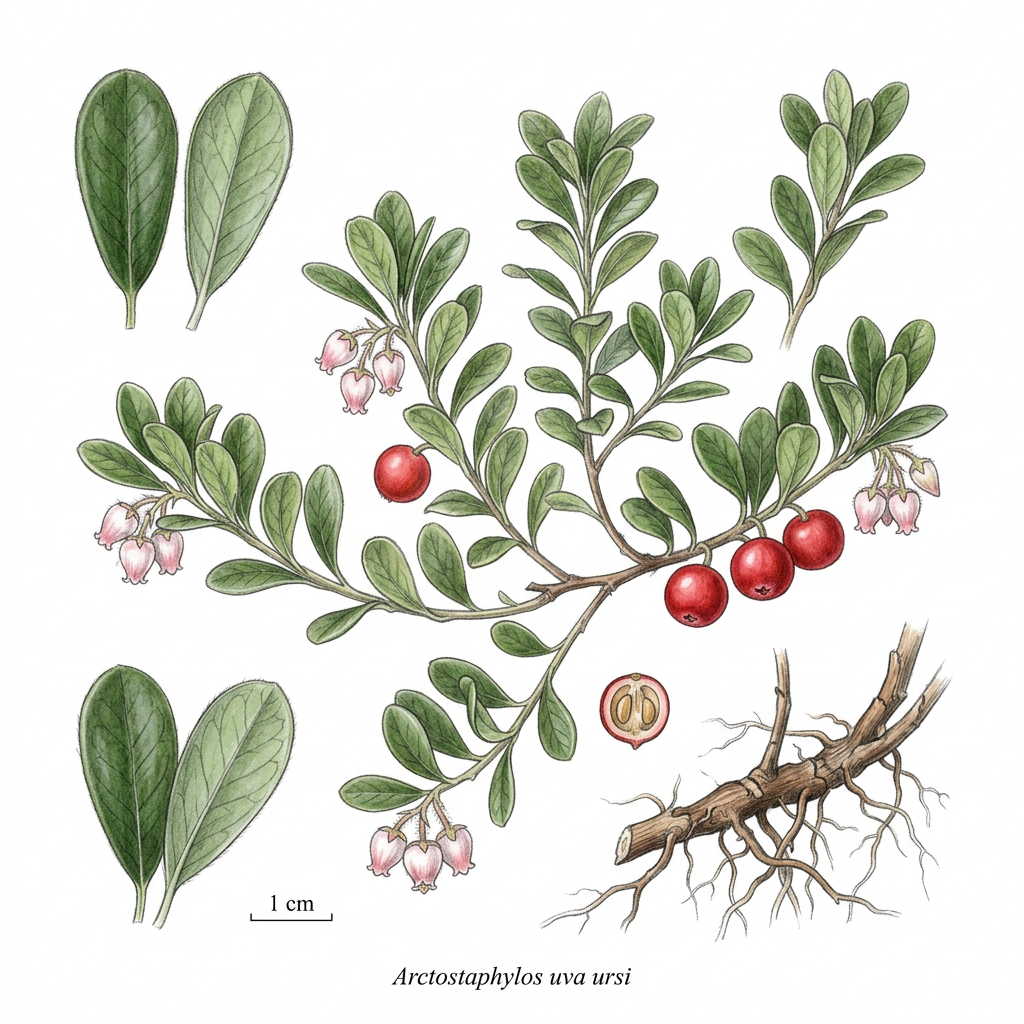
Bearberry

Bearberry

Arctostaphylos uva ursi

Urinary Health
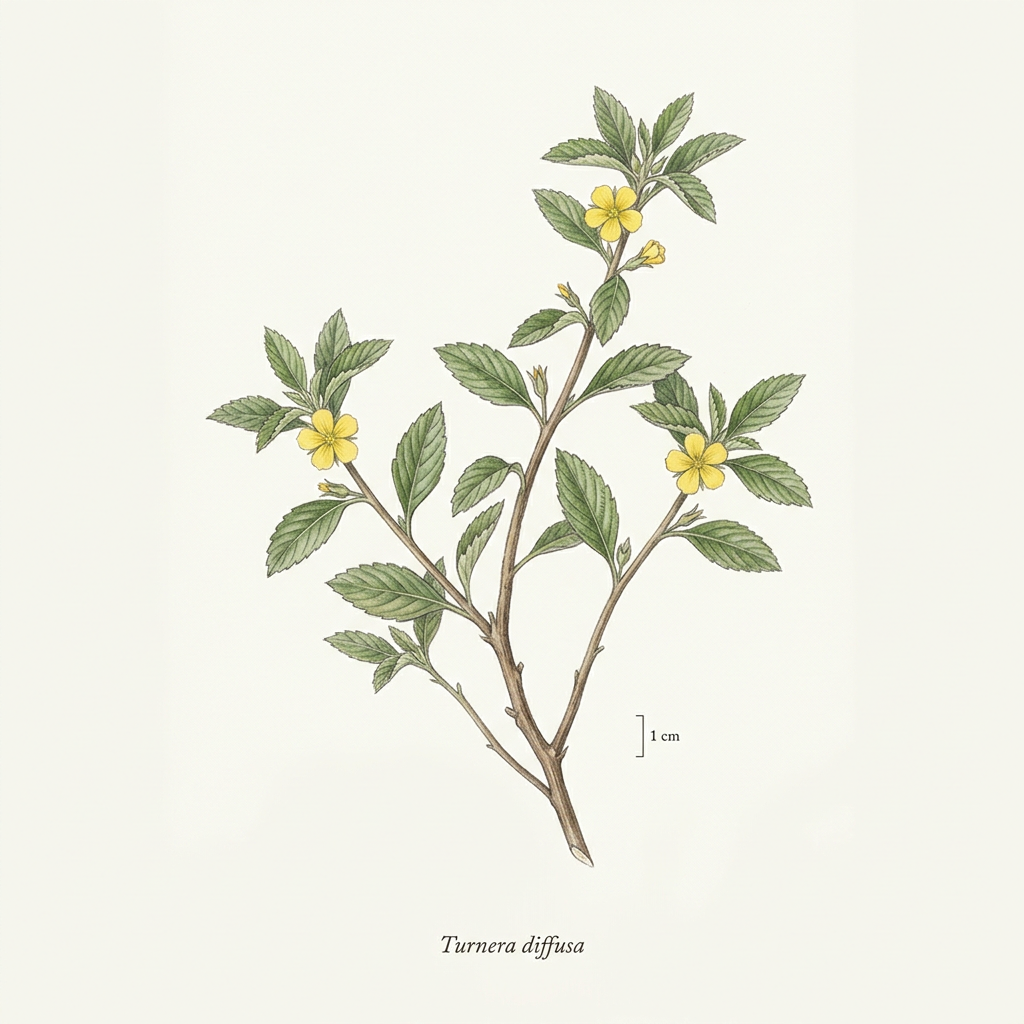
Damiana

Damiana

Turnera diffusa

Aphrodisiac Effect
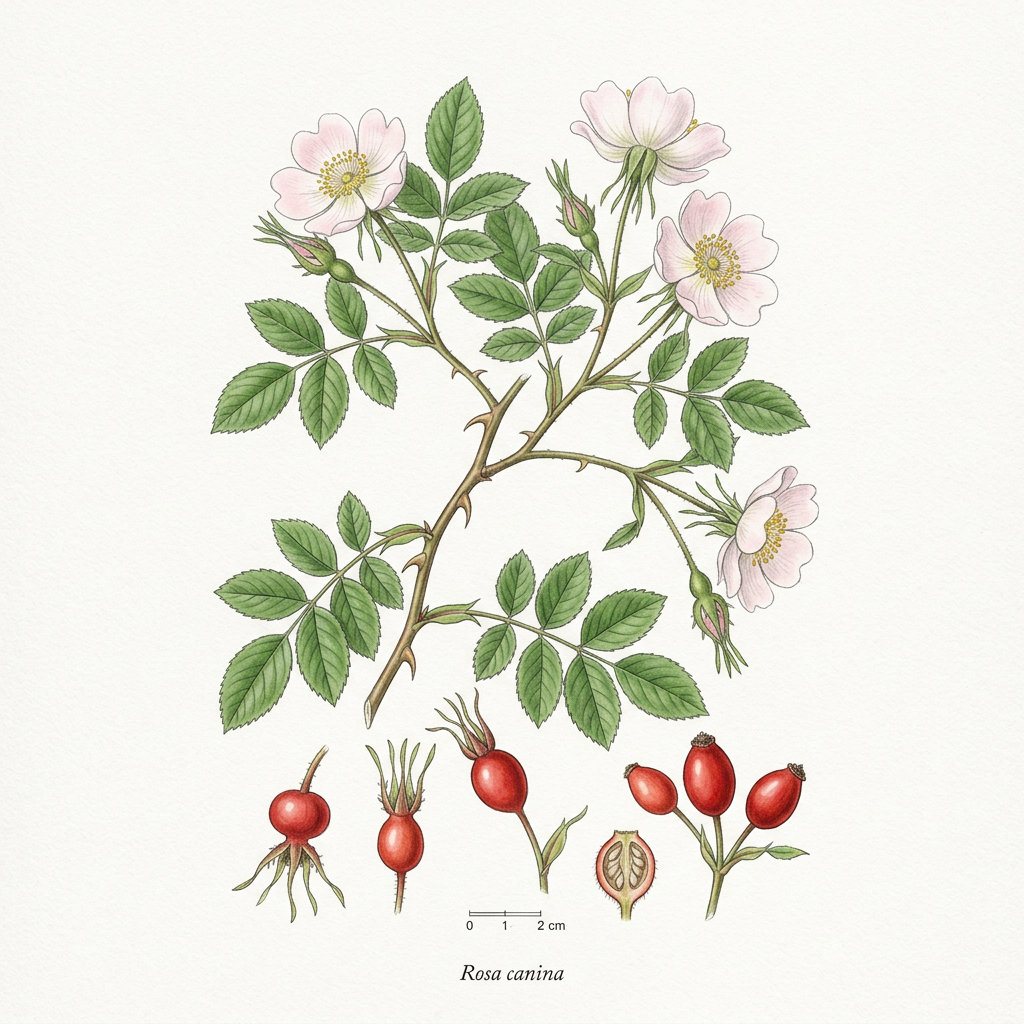
Dog rose

Dog rose

Rosa canina

Immune Support
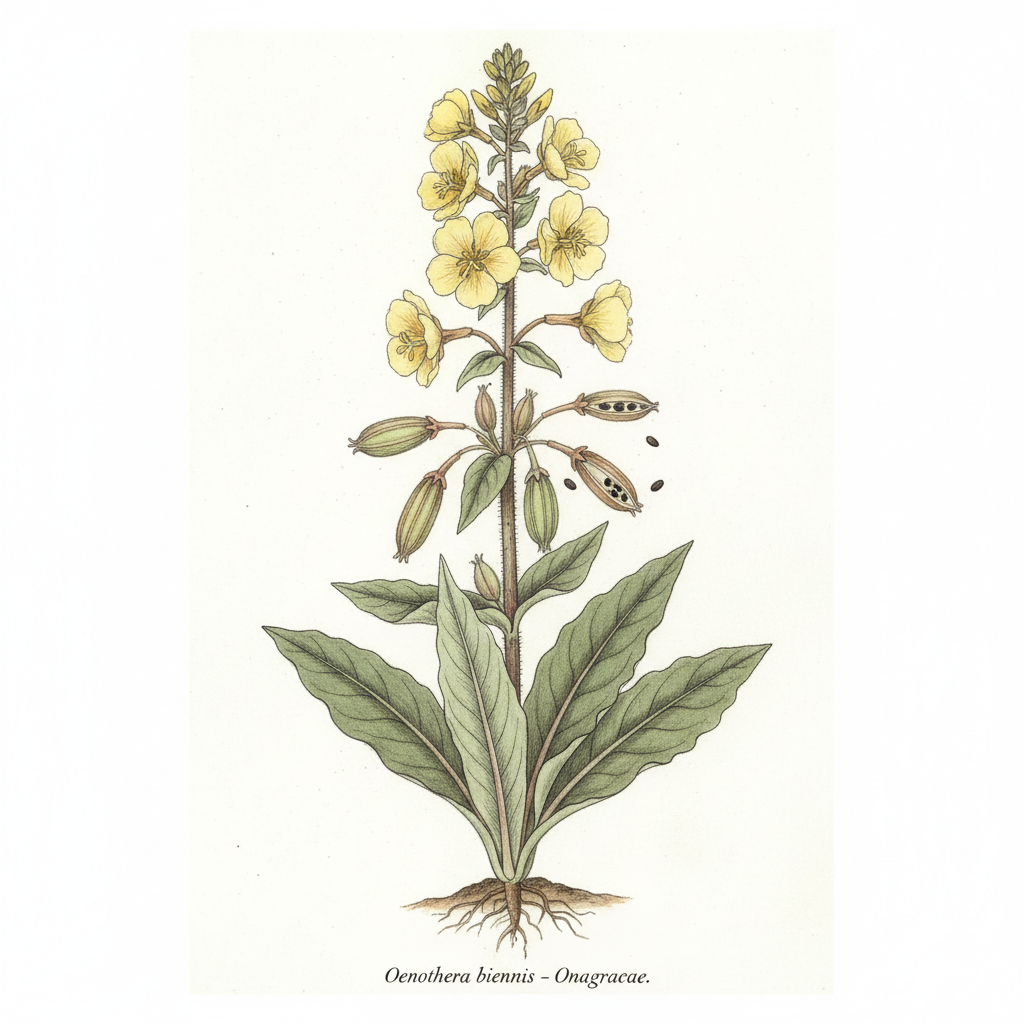
Evening Primrose

Evening Primrose

Oenothera biennis

Hormonal balance