The Wild Sage logo
The Wild Sage Logo

Herbal Medicine at your fingertips

Comprehensive database of herbal remedies with detailed safety information and traditional uses

New to herbal terms? Read the glossary →
ADHD
Abcess
Acid Reflux Relief
Acinetobacter
Acne
Acne Vulgaris
Addisons
Adenomyosis
Adenovirus
Adrenal fatigue
Aging
Aids
Alcaligenes faecalis
Alcoholism
Allergic Rhinitis
Allergies
Allergy
Alopoecia
Alopoecia nervosa
Alzheimer's, Dementia & Cognitive Decline
420 herbs found
Important: This information is for educational purposes only. Always consult with qualified healthcare professionals before using herbal remedies, especially if you have existing health conditions or take medications.
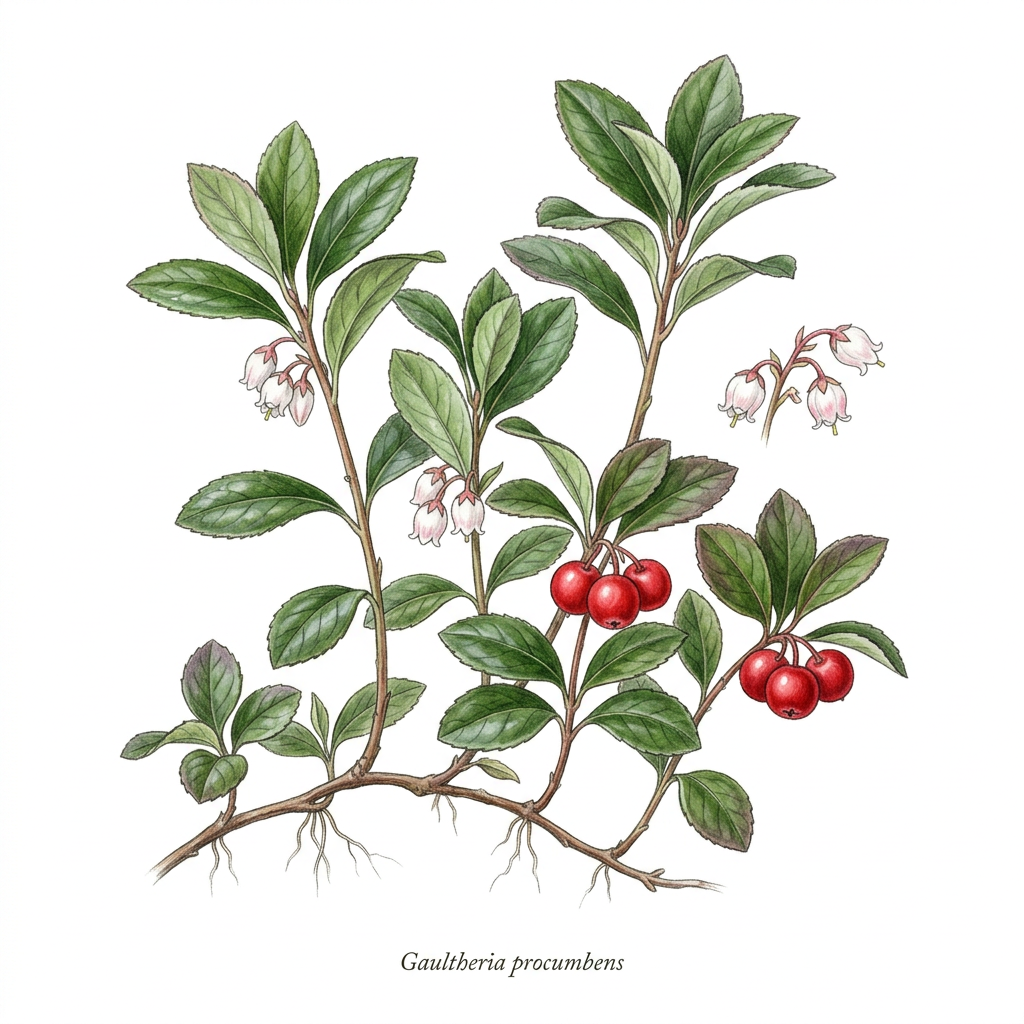
Wintergreen

Wintergreen

Gaultheria procumbens

low risk Risk
Ericaceae
<p>**Herb Name: Wintergreen** **Scientific Name: Gaultheria procumbens** Wintergreen, scientifically known as Gaultheria procumbens, is a low-growing, evergreen shrub native to the northern regions of North America. Its name reflects the plant's ability to retain its verdant foliage even in harsh winter conditions. Historically, indigenous peoples harvested wintergreen leaves and used them for various medicinal purposes, especially as a remedy for pain and inflammation. Traditional practices often involved brewing the leaves to create a tea, which was consumed to alleviate ailments such as headaches and muscle soreness. The leaves were also chewed for their invigorating, minty flavor, and utilized in poultices for topical application. The primary therapeutic actions of wintergreen lie in its potent anti-inflammatory, analgesic, and pain-relieving properties, attributed largely to its chief component, methyl salicylate. This compound is chemically related to aspirin and functions similarly within the body, providing effective relief from mild to moderate pain, including headaches, muscle aches, and joint discomfort. Wintergreen’s effects are not only limited to pain management; it also promotes circulation, which can enhance recovery in sore or strained muscles. Furthermore, its aromatic quality is known to provide respiratory benefits, making it a traditional choice for alleviating the symptoms of colds and respiratory distress. Upon entering the body, wintergreen is metabolized to exert its effects on pain receptors and inflammation pathways. Methyl salicylate works by inhibiting cyclooxygenase (COX) enzymes responsible for the production of prostaglandins, the compounds that signal pain and inflammation. Additionally, its invigorating aroma stimulates the olfactory senses, promoting a sense of well-being and relaxation. When applied topically, wintergreen’s analgesic properties penetrate the skin, providing localized relief from discomfort. This multifaceted approach makes wintergreen a cherished herb within both traditional and modern herbal medicine, celebrated for its natural efficacy in promoting overall wellness and vitality.</p>

Uses & Conditions

Circulation Enhancement
Respiratory Support
Invigorating Aroma
Relaxation Promotion
Vitality Promotion
Headaches
Muscle Soreness
Joint Discomfort
Tendonitis
Rheumatoid Arthritis
Colds

Actions

Anti-inflammatory
Analgesic

Parts Used

Leaves

USDA Hardiness Zones

3
4
5
6
7
8

Contraindications

  • Pregnancy
  • Breastfeeding
  • Children and adolescents due to risk of Reye's syndrome
  • Salicylate or aspirin sensitivity
  • Active peptic ulcers
  • Haemorrhagic disorders
  • Internal use; ingestion of the essential oil is highly toxic

Potential Side Effects

  • Skin irritation
  • Contact dermatitis
  • Systemic toxicity including tinnitus
  • nausea
  • or dizziness
  • Allergic reactions

Interactions

  • Anticoagulants such as warfarin
  • Aspirin or NSAIDs
  • Methotrexate
  • Antiplatelet agents

Dosages, tincture ratios & research — members only

Unlock Garreth's dosing guidance, tincture ratios, the dosage calculator and the research studies for Wintergreen.

Your assessment and results stay saved — upgrading only unlocks more of them.

See membership plans

Community Photos

No community photos yet. Sign in to upload photos.

Reviews & Ratings

Sign in to leave a review.

No reviews yet. Be the first!

GF

Garreth Falls — B.Th., Dip. H.M., MNIMH

Content curated and reviewed by Garreth Falls, Consultant Medical Herbalist · The Wild Sage

Medical Disclaimer: This information is for educational purposes only and is not intended as medical advice. Always consult with qualified healthcare professionals before starting any herbal treatment.
Western tradition

Sustainability & quality

At risk

Wild populations are under pressure; prioritize cultivated sources or forest-grown stock to avoid depletion.

Key constituents

Methyl salicylate, Gaultherin, Tannins, Mucilage, Volatile oil, Phenolic glycosides

References

  1. British Herbal Pharmacopoeia 1983
  2. Herbal Reality. Herb monographs. herbalreality.com

Reviewed by Garreth, Medical Herbalist (MNIMH) · November 2026

Related conditions

Explore conditions where Wintergreen is traditionally used.

Related Herbs
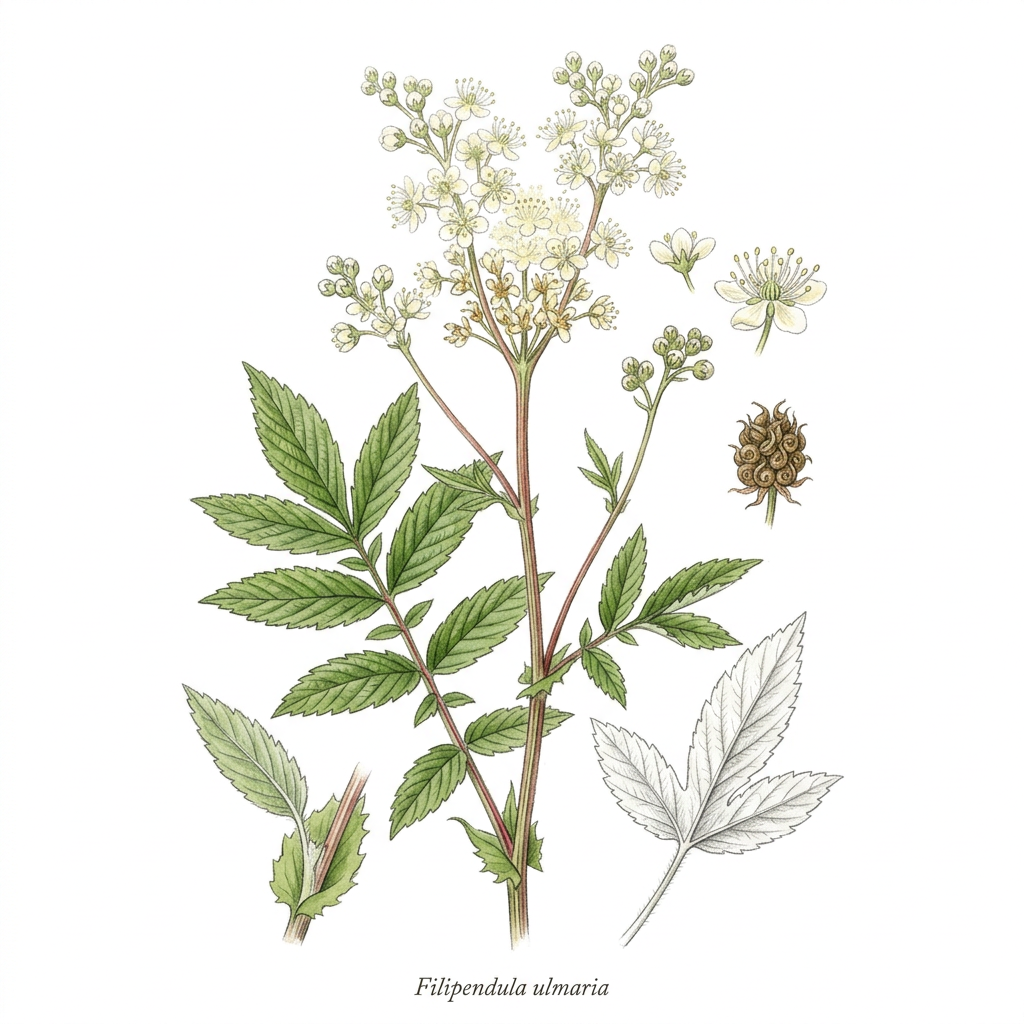
Filipendula ulmaria

Filipendula ulmaria
Filipendula ulmaria

Immune Support
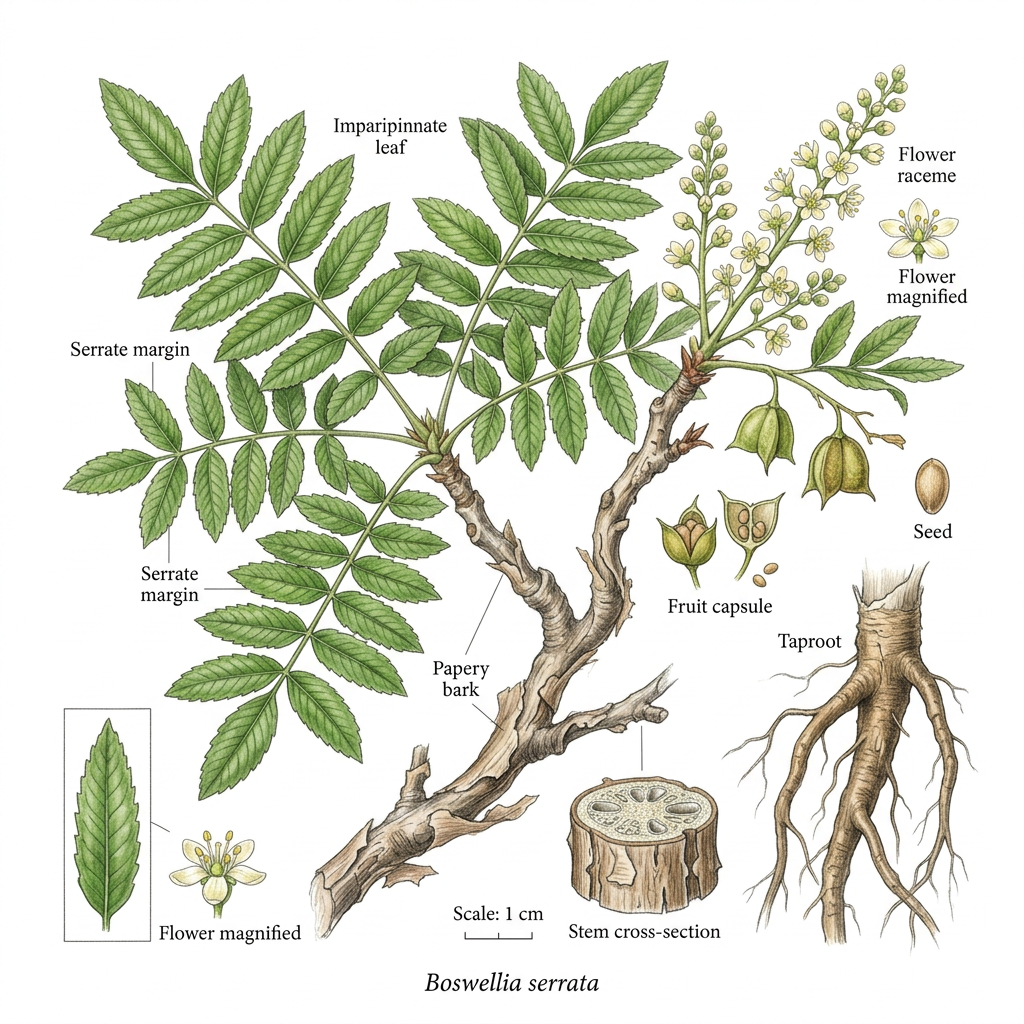
Frankincense

Frankincense

Boswellia serrata

Immune Modulation
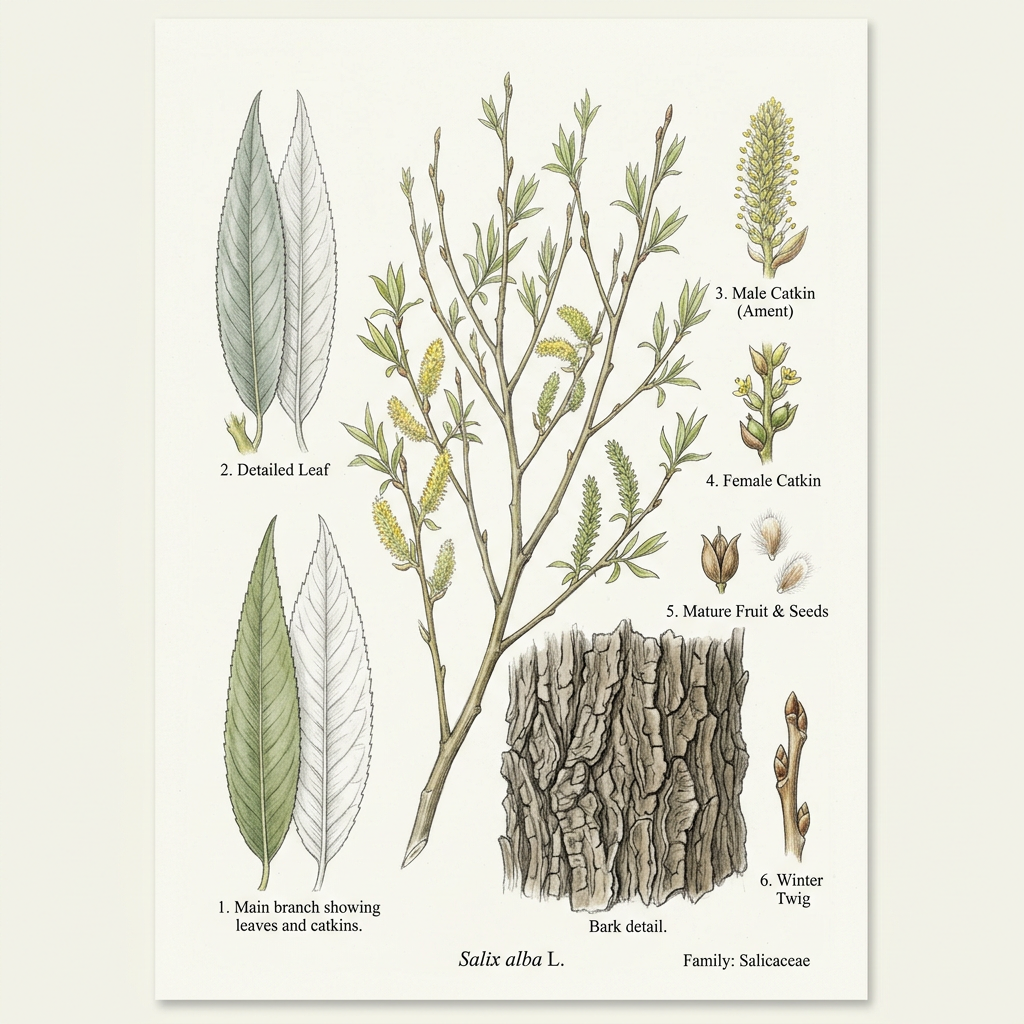
Willow

Willow

Salix alba

Temperature Regulation
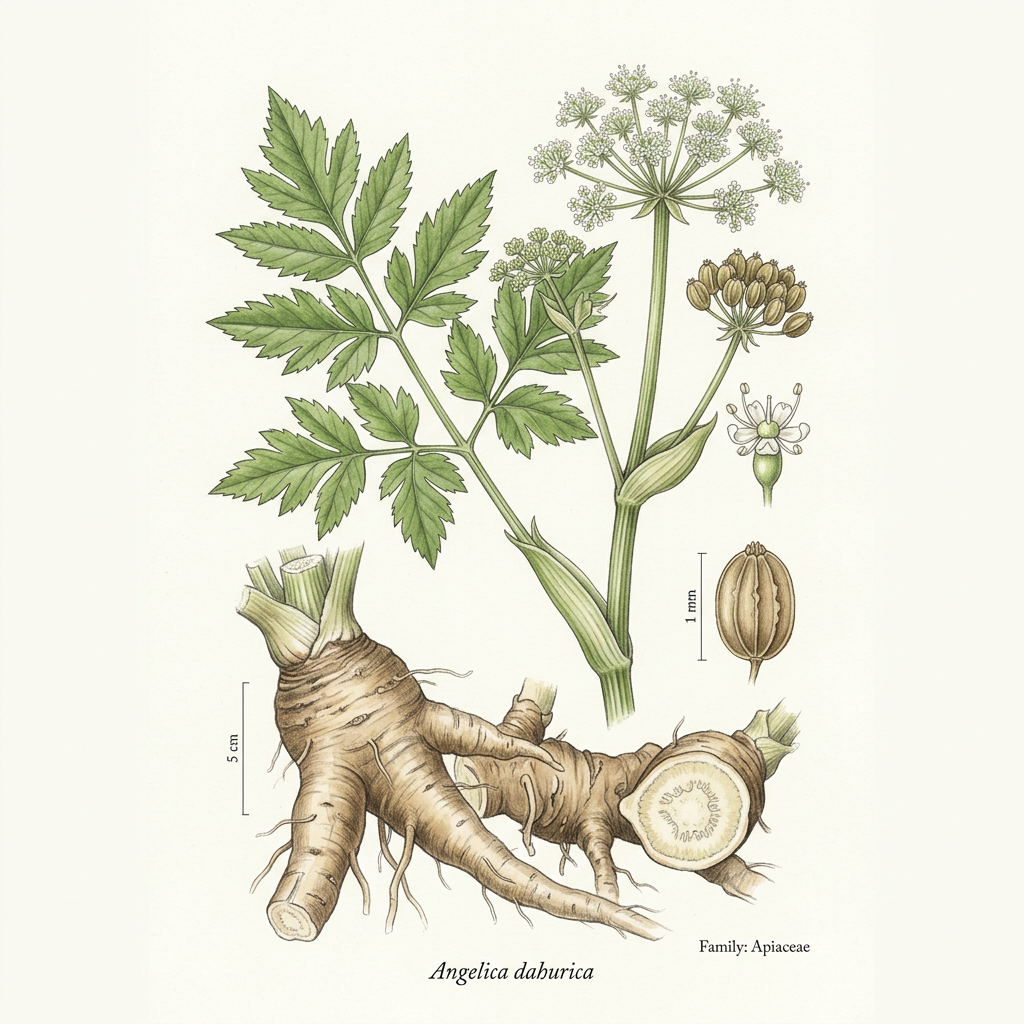
Angelica dahurica

Angelica dahurica

Angelica dahurica

Digestive Support