The Wild Sage logo
The Wild Sage Logo

Herbal Medicine at your fingertips

Comprehensive database of herbal remedies with detailed safety information and traditional uses

New to herbal terms? Read the glossary →
ADHD
Abcess
Acid Reflux Relief
Acinetobacter
Acne
Acne Vulgaris
Addisons
Adenomyosis
Adenovirus
Adrenal fatigue
Aging
Aids
Alcaligenes faecalis
Alcoholism
Allergic Rhinitis
Allergies
Allergy
Alopoecia
Alopoecia nervosa
Alzheimer's, Dementia & Cognitive Decline
420 herbs found
Important: This information is for educational purposes only. Always consult with qualified healthcare professionals before using herbal remedies, especially if you have existing health conditions or take medications.
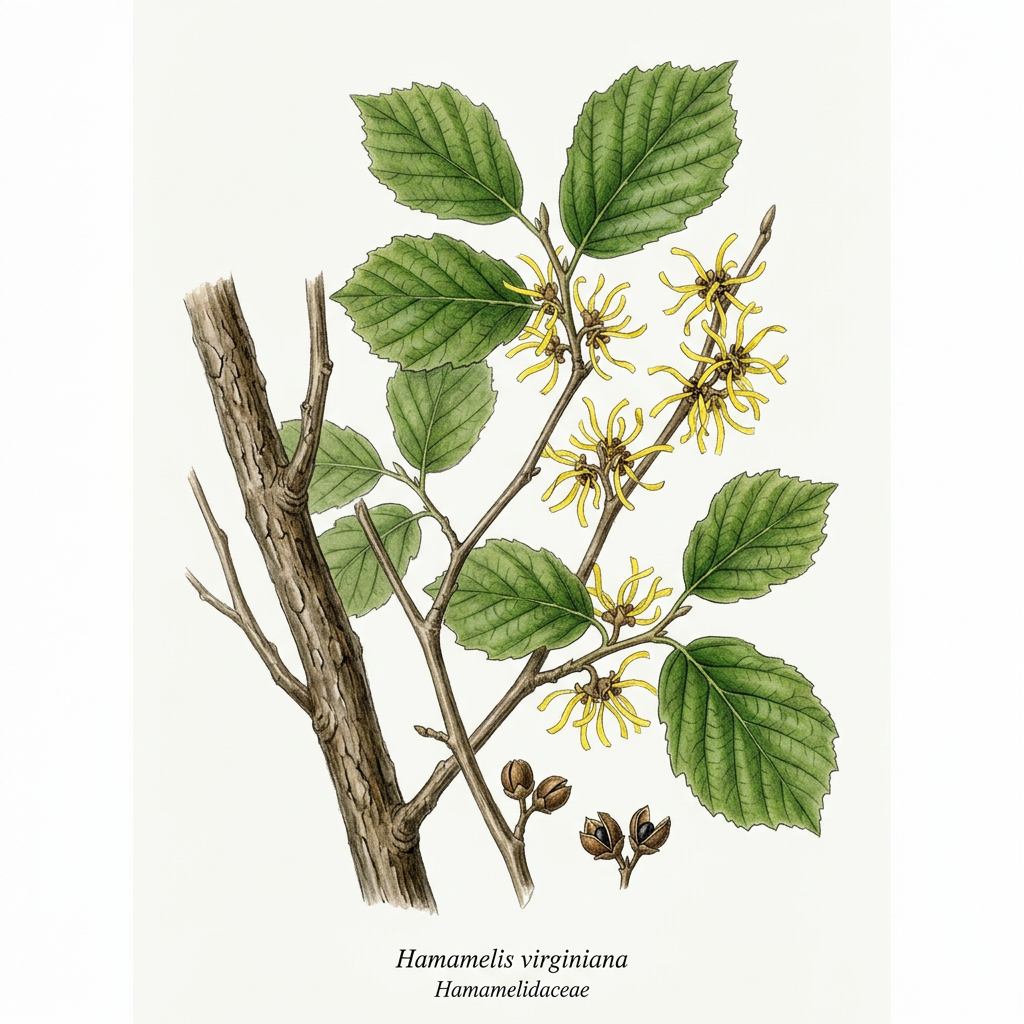
Witch Hazel

Witch Hazel

Hamamelis virginiana

low risk Risk
Hamamelidaceae
Calming and soothing, promoting relaxation, balance, and emotional healing.
<p>Witch Hazel, scientifically known as Hamamelis virginiana, is a deciduous shrub native to North America, renowned for its fragrant yellow flowers and unique bark. Historically, this remarkable plant has been used by indigenous peoples for centuries, who valued its potent healing properties for a variety of ailments. The leaves and bark of Witch Hazel have been traditionally employed in poultices and infusions to soothe skin irritations, alleviate inflammation, and treat minor wounds. With the advent of herbal medicine in the Western tradition, Witch Hazel emerged as a favored remedy, commonly found in elixirs and topical applications aimed at alleviating conditions such as hemorrhoids, varicose veins, and skin sensitivities. Modern herbalists recognize Witch Hazel for its key therapeutic properties: it is celebrated for its anti-inflammatory, antimicrobial, and protective actions. Topically, Witch Hazel is often used as an astringent, effectively tightening skin tissues and reducing swelling, which is particularly beneficial for individuals suffering from conditions like varicose veins and hemorrhoids. Its high tannin content is primarily responsible for its astringent qualities, promoting skin healing and reducing irritation, making it not only effective for acute flare-ups but also for ongoing skin care regimens. Furthermore, its gentle antimicrobial properties help limit the growth of harmful bacteria, supporting the skin's natural barrier and reducing the risk of infection. When applied to the skin, Witch Hazel works by constricting blood vessels and reducing inflammation, leading to a soothing effect that can alleviate discomfort. The active compounds in Witch Hazel, including tannins and flavonoids, exert their beneficial effects by modulating inflammatory pathways, thus enhancing skin resilience and promoting healing. This makes Witch Hazel a valuable ally in natural skincare, as well as a cornerstone herb in many topical formulations. Its versatility continues to make it a staple in herbal medicine cabinets and cosmetic products alike, showcasing the enduring legacy of this remarkable botanical.</p>

Uses & Conditions

Wound healing
Capillary fragility
Haemorrhoids
Varicose veins
Minor skin irritations
Inflammatory skin conditions
Allergic rhinitis
Cough
Digestive issues
Acne
Colitis
Conjunctivitis
Dermatitis
Diarrhoea
Pyuria
Microbial infection
Peptic ulcer
Haematuria
Bruising

Actions

Anti-inflammatory
Antimicrobial
Protective
Astringent
Antiseptic
TNF-alpha reduction
NFkB inhibitor

Synonyms

Witch hazel

Parts Used

Bark
Leaves
Whole plant

Native Countries

North America

USDA Hardiness Zones

USDA 3-9
USDA 4-9
USDA 5-9

Contraindications

  • Not for internal use due to high tannin content which may cause gastrointestinal irritation
  • Avoid applying to deep
  • puncture wounds or extensive burns without clinical guidance
  • Discontinue use if signs of contact dermatitis or local hypersensitivity occur
  • Individuals with a known allergy to the Hamamelidaceae family should avoid topical use

Potential Side Effects

  • Localised skin dryness or irritation with frequent or prolonged use
  • Rare allergic contact dermatitis

Interactions

  • Use caution if applying to skin areas currently being treated with prescription topical corticosteroids
  • High tannin content may theoretically reduce the absorption of oral alkaloid-containing medications if ingested concurrently

Dosages, tincture ratios & research — members only

Unlock Garreth's dosing guidance, tincture ratios, the dosage calculator and the research studies for Witch Hazel.

Your assessment and results stay saved — upgrading only unlocks more of them.

See membership plans

Community Photos

No community photos yet. Sign in to upload photos.

Reviews & Ratings

Sign in to leave a review.

No reviews yet. Be the first!

GF

Garreth Falls — B.Th., Dip. H.M., MNIMH

Content curated and reviewed by Garreth Falls, Consultant Medical Herbalist · The Wild Sage

Medical Disclaimer: This information is for educational purposes only and is not intended as medical advice. Always consult with qualified healthcare professionals before starting any herbal treatment.
Western tradition

Sustainability & quality

Cultivated

Mainly produced for industrial distillation. High-quality therapeutic extracts require sourcing from reputable suppliers adhering to botanical standards.

Key constituents

Hamamelitannin, Condensed tannins (proanthocyanidins), Gallotannins, Volatile oils (including safrole and hexenol), Flavonoids (quercetin and kaempferol), Resins

References

  1. ESCOP Monographs 2nd ed. 2003
  2. British Herbal Pharmacopoeia 1983
  3. Herbal Reality. Herb monographs. herbalreality.com

Reviewed by Garreth, Medical Herbalist (MNIMH) · November 2026

Related conditions

Explore conditions where Witch Hazel is traditionally used.

Related Herbs
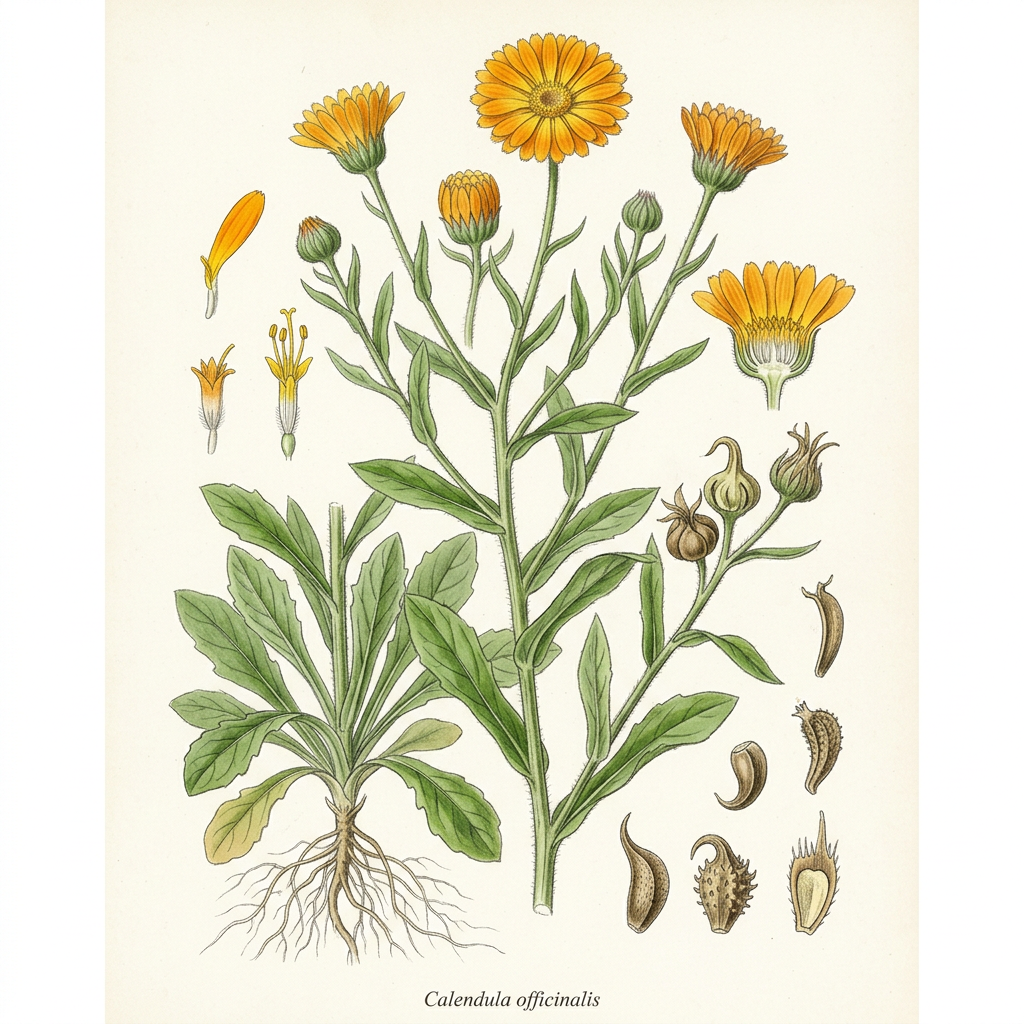
Marigold

Marigold

Calendula officinalis

Lymphatic Support
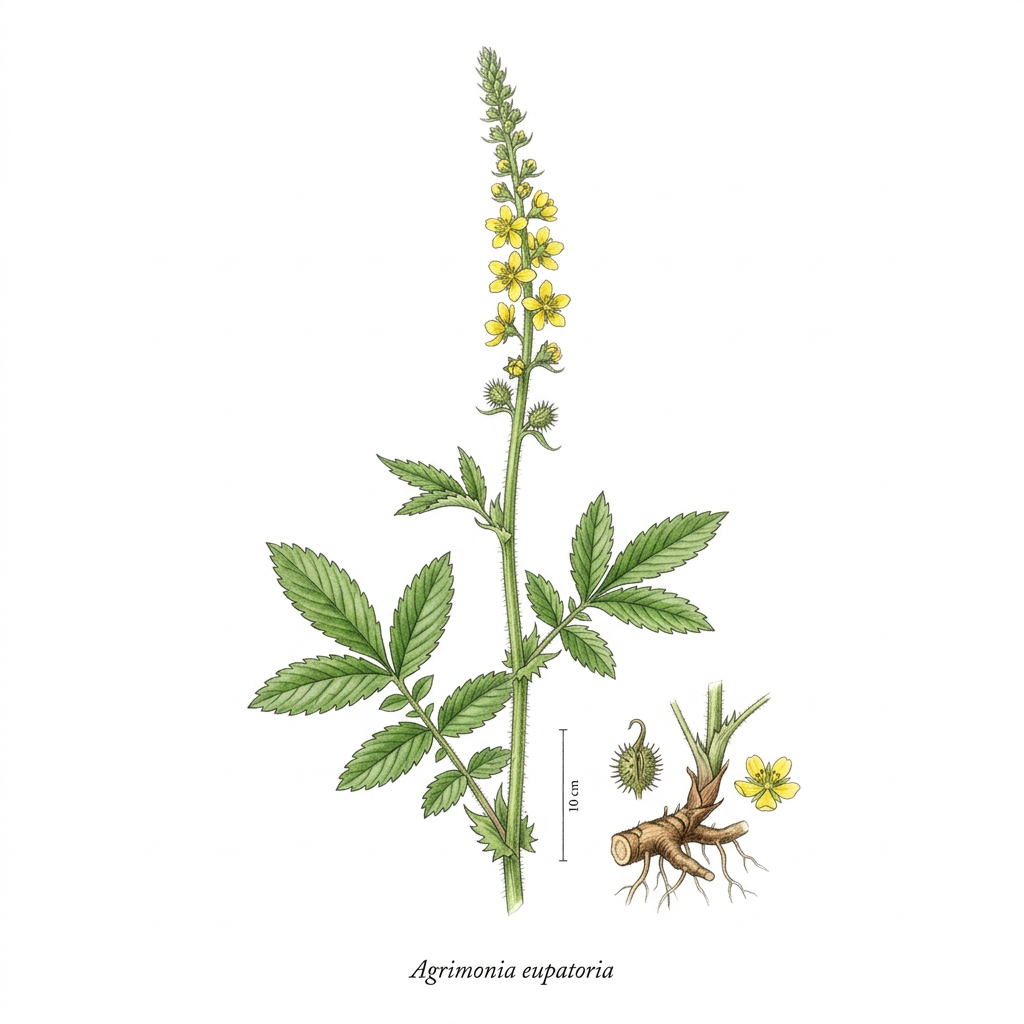
Agrimony

Agrimony

Agrimonia eupatoria

Digestive Aid
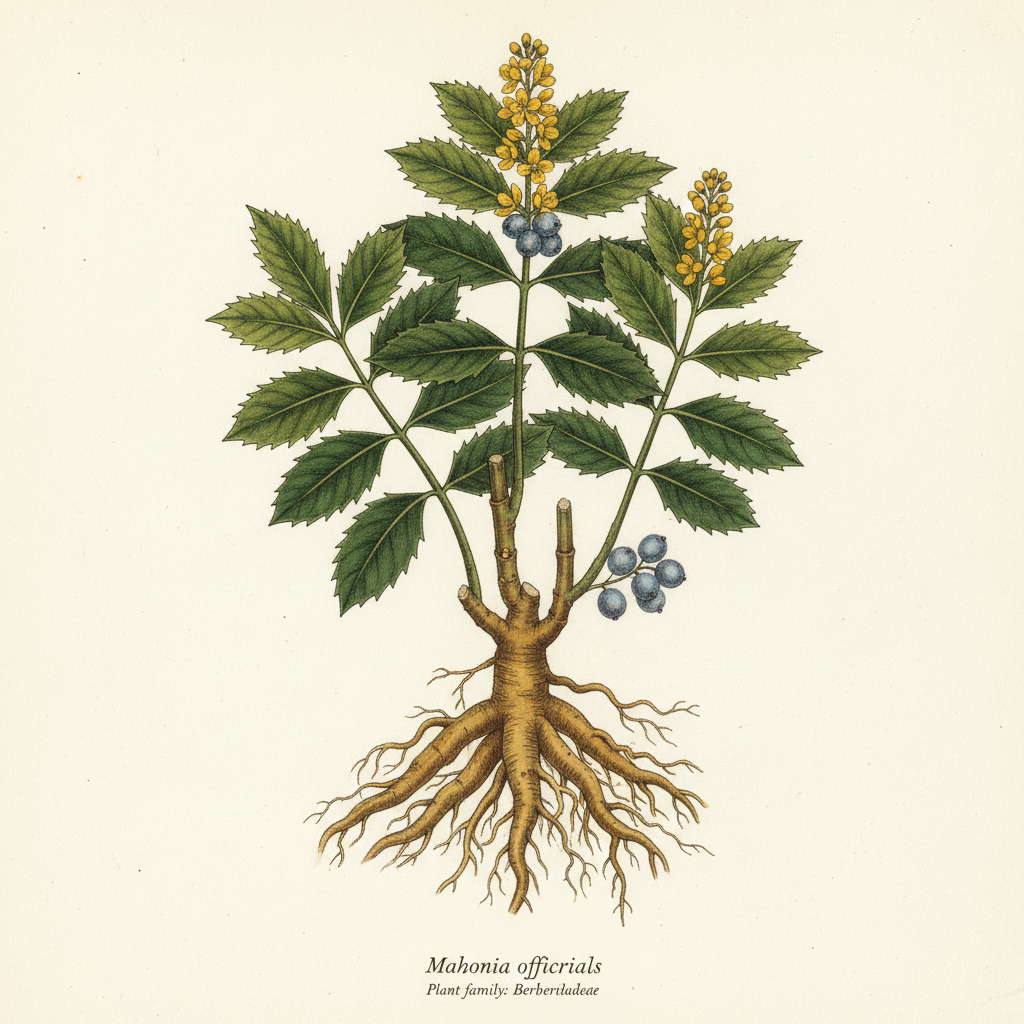
Mahonia

Mahonia

Mahonia aquifolium

Digestive aid
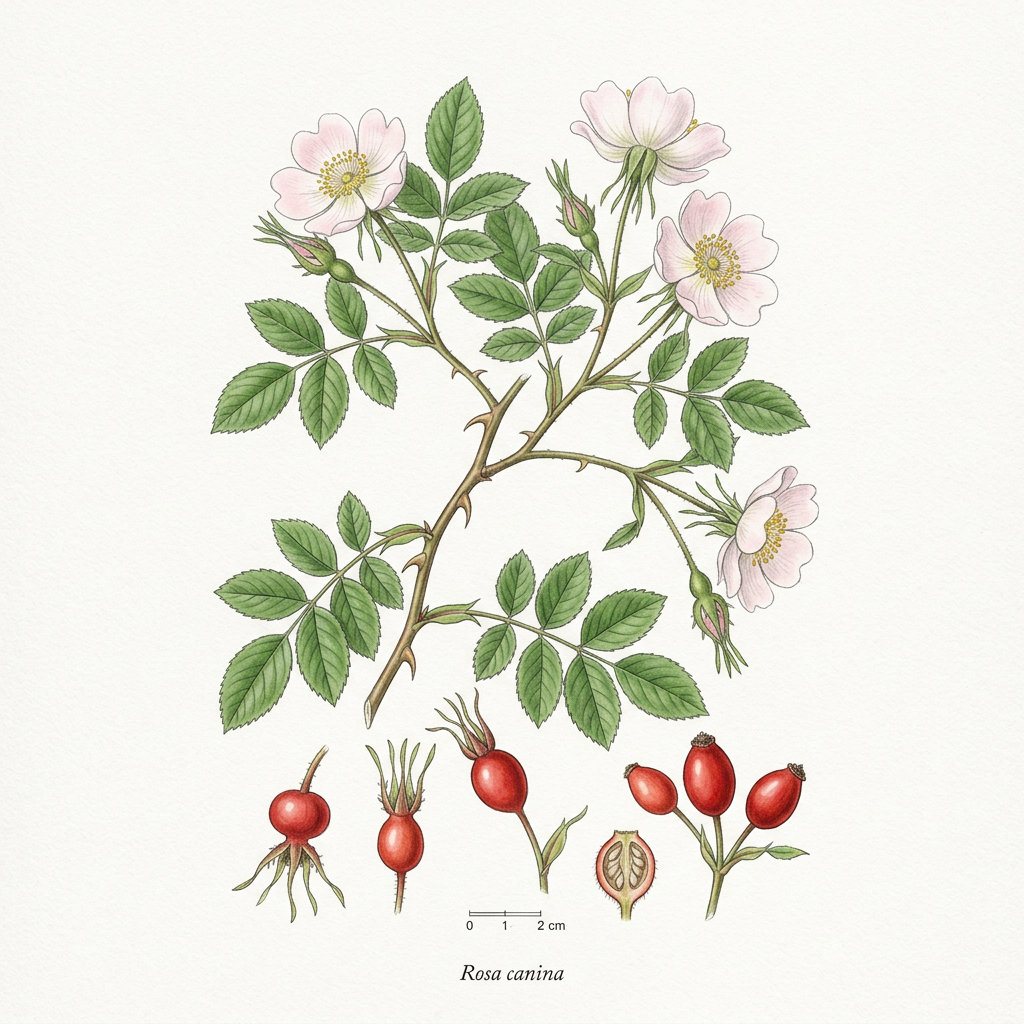
Dog rose

Dog rose

Rosa canina

Immune Support