The Wild Sage logo
The Wild Sage Logo

Herbal Medicine at your fingertips

Comprehensive database of herbal remedies with detailed safety information and traditional uses

New to herbal terms? Read the glossary →
ADHD
Abcess
Acid Reflux Relief
Acinetobacter
Acne
Acne Vulgaris
Addisons
Adenomyosis
Adenovirus
Adrenal fatigue
Aging
Aids
Alcaligenes faecalis
Alcoholism
Allergic Rhinitis
Allergies
Allergy
Alopoecia
Alopoecia nervosa
Alzheimer's, Dementia & Cognitive Decline
420 herbs found
Important: This information is for educational purposes only. Always consult with qualified healthcare professionals before using herbal remedies, especially if you have existing health conditions or take medications.
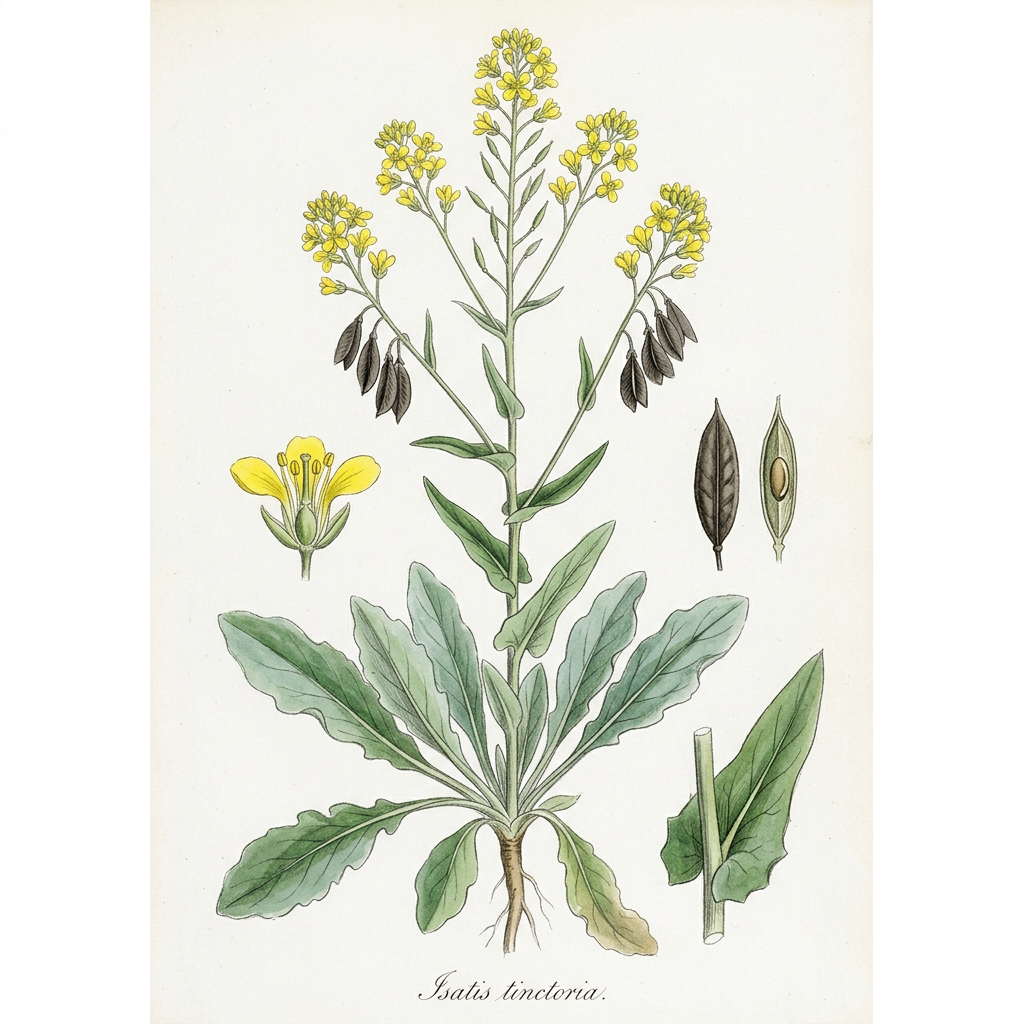
Woad

Woad

Isatis tinctoria

low risk Risk
Brassicaceae
Cooling, bitter, and slightly astringent; known for its detoxifying and antiviral properties, promoting overall balance and vitality.
<p>Isatis tinctoria, commonly known as woad, is a biennial plant belonging to the Brassicaceae family. This herb has a rich history that dates back to ancient civilizations, particularly in Asia and Europe, where it was prized not only for its vibrant blue dye but also for its medicinal properties. Historically, woad was widely used by the ancient Celts, who applied it in traditional body art, while Chinese herbalists have utilized the leaves and roots of this plant for over two millennia. Within Traditional Chinese Medicine (TCM), Isatis tinctoria is known as "Ban Lan Gen" and is considered a key remedy for fevers, inflammatory conditions, and acute infections, particularly during epidemics. The therapeutic properties of Isatis tinctoria are extensive, primarily supported by its renowned antimicrobial and antiviral actions. This herb contains several bioactive compounds, including indigo and indirubin, which exhibit potent antibacterial properties, making it effective against various pathogens. In traditional practices, it is employed to help detoxify the body, promote the immune response, and alleviate symptoms associated with upper respiratory infections and skin conditions. Additionally, Isatis tinctoria serves as a potent anti-inflammatory agent, aiding in the reduction of swelling and discomfort in a variety of health issues. When used in herbal medicine, Isatis tinctoria works by modulating the body’s immune response and enhancing the innate defense mechanisms against infections. Its antimicrobial properties inhibit the growth of pathogens, while its antiviral effects disrupt viral replication. Moreover, the antioxidant qualities of the plant contribute to detoxification processes, helping to eliminate metabolic waste and reduce oxidative stress in the body. By promoting overall wellbeing and safeguarding against infectious diseases, Isatis tinctoria remains a valuable herb in both traditional and modern herbal therapies, appealing to those seeking natural remedies with a historical foundation.</p>

Uses & Conditions

Immune Support
Detoxification
Metabolic Waste Elimination
Oxidative Stress Reduction
Viral Infections
Bacterial Infections
Upper Respiratory Infections
Skin Conditions
Inflammatory Conditions
Asthma
Aspergillus
Candida
Clostridium Difficile
E. Coli
Shingles

Actions

Antimicrobial
Antiviral
Cytokine Modulation

Parts Used

leaves

Native Countries

Europe

USDA Hardiness Zones

USDA 3-7

Contraindications

  • Pregnancy: avoid due to insufficient safety data regarding potential uterine effects
  • Breastfeeding: not recommended due to lack of established safety evidence
  • Known liver or kidney impairment: exercise caution and monitor blood markers if use is required
  • Hypersensitivity: discontinue use if signs of allergic reaction occur
  • Chronic cold conditions: avoid in individuals with signs of Spleen/Stomach deficiency or cold-pattern illness

Potential Side Effects

  • Gastrointestinal upset including nausea or loose stools with high dosages
  • Minor skin irritation when applied topically to sensitive individuals
  • Rare reports of liver enzyme elevation during prolonged
  • high-dose use

Interactions

  • Immunosuppressants: potential to interfere with the intended effect of medications such as ciclosporin or corticosteroids
  • Anticoagulants and antiplatelet agents: theoretical risk of additive effects
  • Hepatotoxic medications: caution is advised when used alongside drugs known to place stress on liver function

Dosages, tincture ratios & research — members only

Unlock Garreth's dosing guidance, tincture ratios, the dosage calculator and the research studies for Woad.

Your assessment and results stay saved — upgrading only unlocks more of them.

See membership plans

Community Photos

No community photos yet. Sign in to upload photos.

Reviews & Ratings

Sign in to leave a review.

No reviews yet. Be the first!

GF

Garreth Falls — B.Th., Dip. H.M., MNIMH

Content curated and reviewed by Garreth Falls, Consultant Medical Herbalist · The Wild Sage

Medical Disclaimer: This information is for educational purposes only and is not intended as medical advice. Always consult with qualified healthcare professionals before starting any herbal treatment.
Western tradition
Chinese tradition

Sustainability & quality

Cultivated

Traditionally cultivated for pigment and medicinal use; ensure batch traceability.

Key constituents

Indirubin, Indigo, Isatin, Glucobrassicin, Lignans, Tryptanthrin, Sinigrin, Isatins A and B

References

  1. Bensky "Chinese Herbal Medicine: Materia Medica" 3rd ed. 2004
  2. Herbal Reality. Herb monographs. herbalreality.com

Reviewed by Garreth, Medical Herbalist (MNIMH) · November 2026

Related conditions

Explore conditions where Woad is traditionally used.

Related Herbs
Cryptolepis

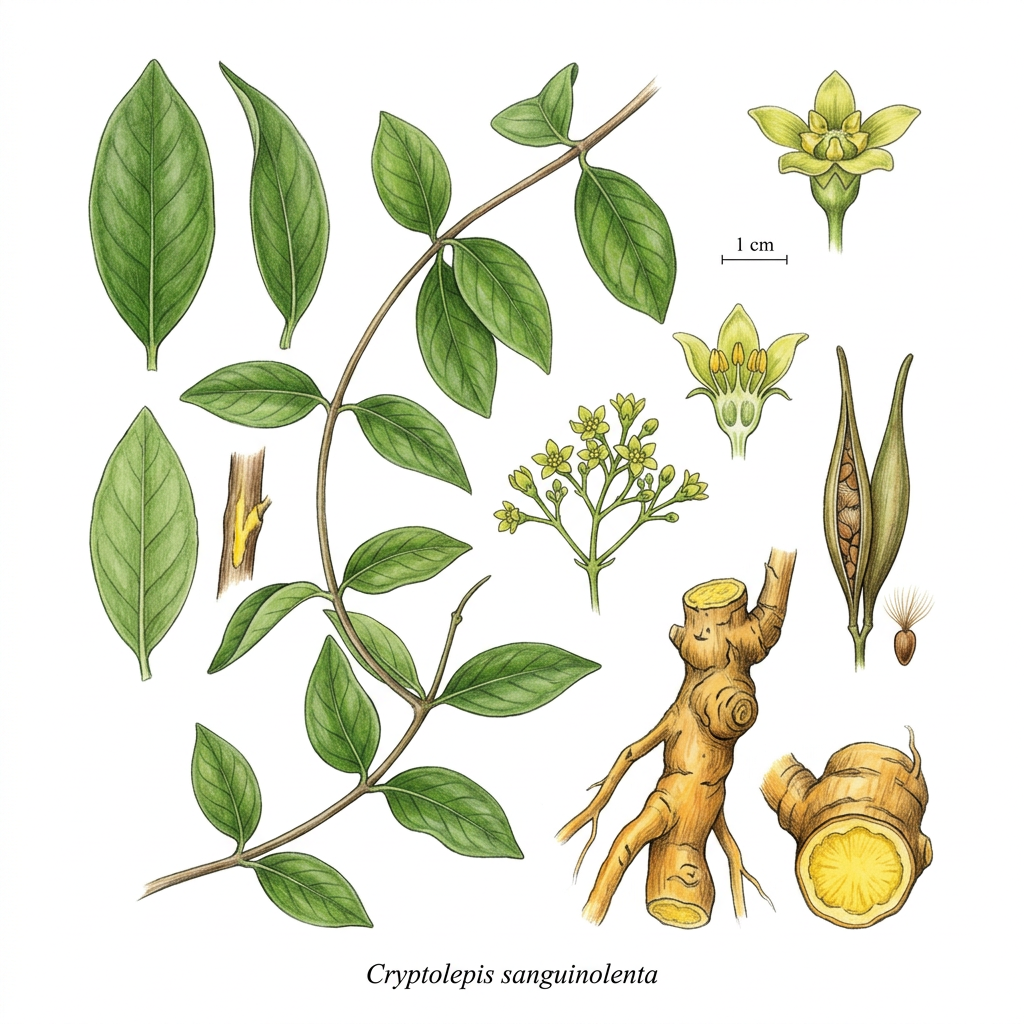
Cryptolepis

Cryptolepis sanguinolenta
Immunomodulatory Support
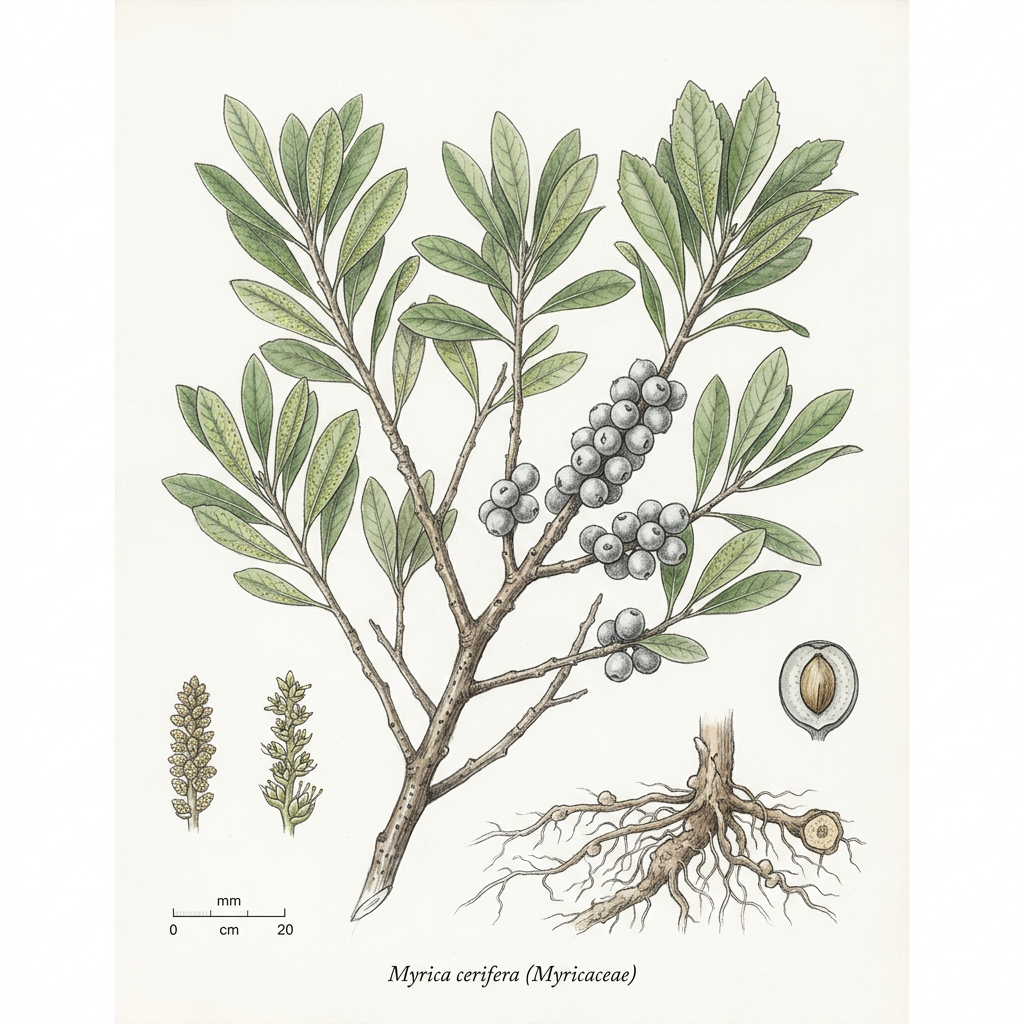
Bayberry

Bayberry

Myrica cerifera

Digestive Aid
Christmas Bush

Christmas Bush

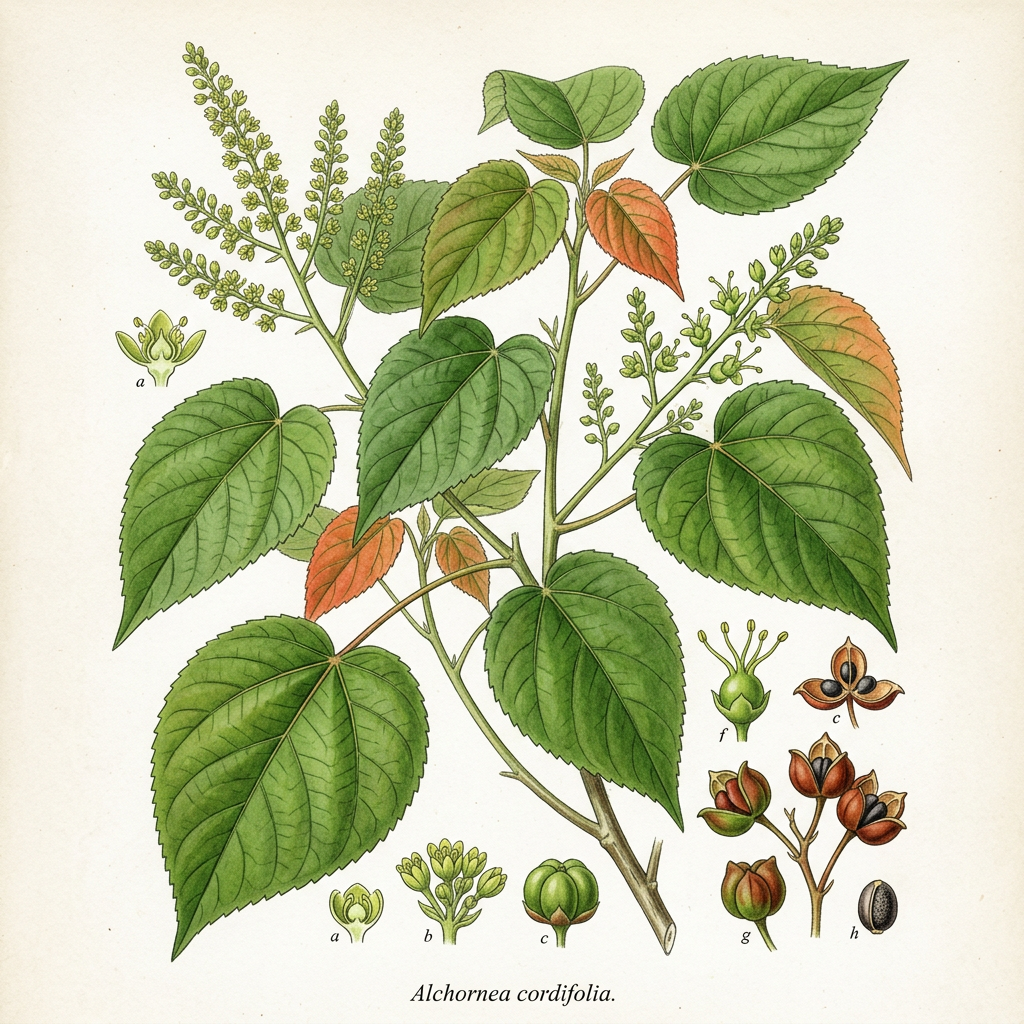
Alchornea cordifolia

Cardiovascular Support
Green Tea

Green Tea

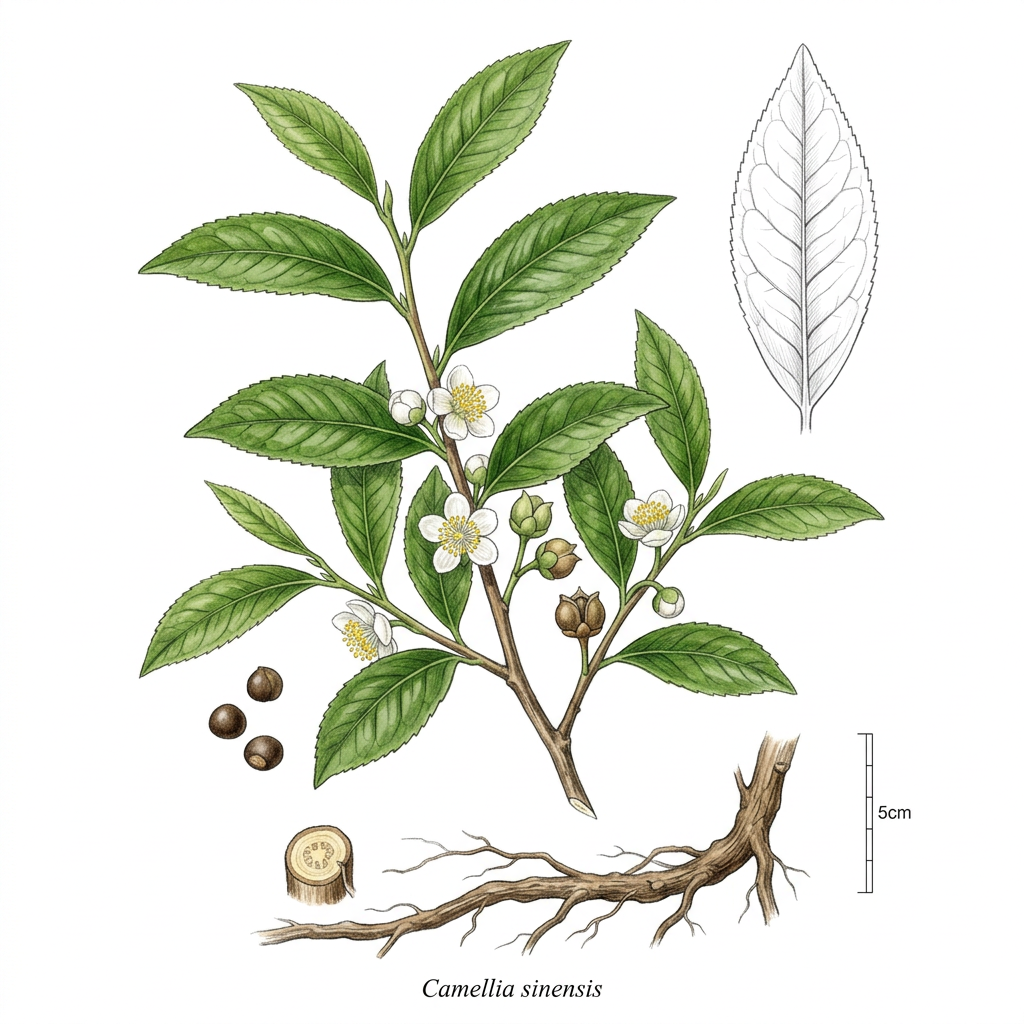
Camellia sinensis

Hypertension