The Wild Sage logo
The Wild Sage Logo

Herbal Medicine at your fingertips

Comprehensive database of herbal remedies with detailed safety information and traditional uses

New to herbal terms? Read the glossary →
ADHD
Abcess
Acid Reflux Relief
Acinetobacter
Acne
Acne Vulgaris
Addisons
Adenomyosis
Adenovirus
Adrenal fatigue
Aging
Aids
Alcaligenes faecalis
Alcoholism
Allergic Rhinitis
Allergies
Allergy
Alopoecia
Alopoecia nervosa
Alzheimer's, Dementia & Cognitive Decline
420 herbs found
Important: This information is for educational purposes only. Always consult with qualified healthcare professionals before using herbal remedies, especially if you have existing health conditions or take medications.
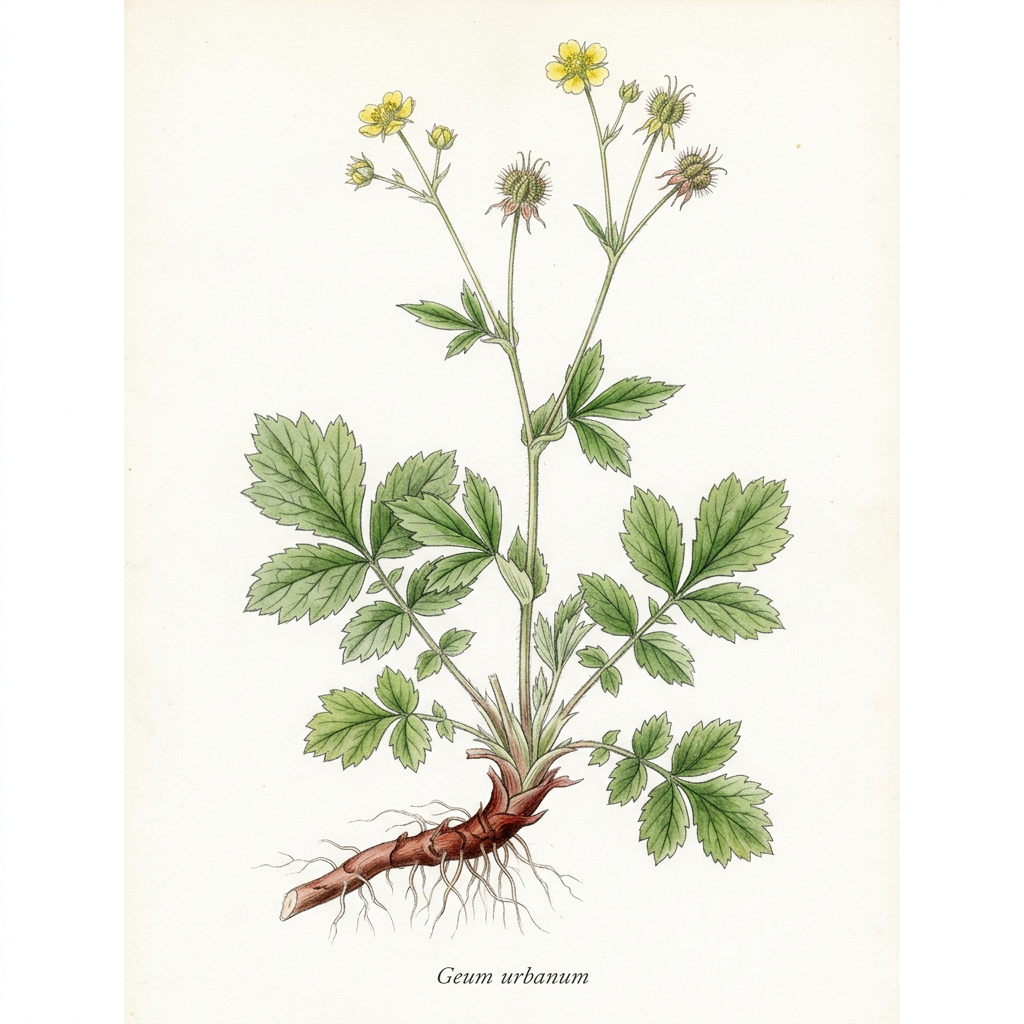
Wood avens

Wood avens

Geum urbanum

low risk Risk
Rosaceae
slightly warming and astringent
<p>Wood avens, known scientifically as *Geum urbanum*, is a perennial herb of the Rosaceae family that flourishes in damp woodlands, hedgerows, and shaded areas across Europe and parts of Asia. Historically revered in traditional herbal medicine, wood avens has been utilized since ancient times for its diverse therapeutic properties. Its roots, leaves, and flowers have been employed by herbalists to treat a variety of ailments, earning it a place in the pharmacopoeia of various cultures. Notably, it was once believed to have protective qualities against evil spirits, which speaks to its long-standing significance in folklore and traditional practices. This remarkable herb is recognized for its anti-inflammatory, digestive, and immune-boosting actions, making it a versatile addition to herbal remedies. The primary bioactive components of wood avens include tannins, flavonoids, and essential oils, which work synergistically to provide a spectrum of therapeutic benefits. The astringent properties of tannins are particularly beneficial for easing digestive disorders, helping to soothe the gastrointestinal tract and manage conditions such as diarrhea. Additionally, wood avens is often employed to support immune function, as its anti-inflammatory properties can help mitigate inflammation and bolster the body’s natural defenses against pathogens. When consumed, wood avens engages with the body’s systems to promote balance and healing. The herb's active compounds exhibit antioxidant effects, combating oxidative stress and inflammation at the cellular level. This not only aids in the alleviation of digestive discomfort but also supports overall health by fostering vitality and resilience. Furthermore, wood avens is believed to facilitate a harmonizing effect on the mucous membranes, enhancing gastrointestinal health and improving nutrient absorption. With its rich history and multifaceted benefits, wood avens remains a valued herb in contemporary herbal practice, offering a natural approach to wellness and vitality.</p>

Uses & Conditions

Immune Support
Mucosal Healing
Inflammatory Bowel Disease
Rheumatoid Arthritis
Gastroesophageal Reflux Disease
Ulcerative Colitis
Hepatic Steatosis
Diarrhoea
Digestive Discomfort
Joint Swelling
Joint Pain
Fatty Liver Disease
Dyspepsia
Crohn’s Disease
Diverticulitis

Actions

Anti-inflammatory
Digestive Aid
TNF-a Reduction
NFkB Inhibition

Synonyms

Wood avens
avens
colewort
herb bennet
herba benedicta

Parts Used

Rhizome

Native Countries

Europe

USDA Hardiness Zones

USDA 3-8

Contraindications

  • Pregnancy: Lack of safety data regarding traditional usage
  • Breastfeeding: Avoid due to insufficient clinical evidence
  • Chronic constipation: High tannin content may exacerbate symptoms
  • Severe gastric ulceration: May cause irritation due to high astringency
  • Iron deficiency anaemia: Avoid prolonged use without medical supervision

Potential Side Effects

  • Mild gastrointestinal upset including nausea
  • Constipation due to tannin concentration
  • Mucosal irritation in the mouth or throat if used in excessive concentrations

Interactions

  • Iron supplements: High tannin content may reduce absorption if taken concurrently
  • Anticoagulant or antiplatelet medication: Theoretical risk of interaction due to tannin content
  • Oral prescription medication: Take at least two hours apart to avoid reduced absorption

Dosages, tincture ratios & research — members only

Unlock Garreth's dosing guidance, tincture ratios, the dosage calculator and the research studies for Wood avens.

Your assessment and results stay saved — upgrading only unlocks more of them.

See membership plans

Community Photos

No community photos yet. Sign in to upload photos.

Reviews & Ratings

Sign in to leave a review.

No reviews yet. Be the first!

GF

Garreth Falls — B.Th., Dip. H.M., MNIMH

Content curated and reviewed by Garreth Falls, Consultant Medical Herbalist · The Wild Sage

Medical Disclaimer: This information is for educational purposes only and is not intended as medical advice. Always consult with qualified healthcare professionals before starting any herbal treatment.
Western tradition

Sustainability & quality

Abundant

Found commonly in hedgerows and woods. Easily wild-harvested; ensure clean, dry storage conditions as the roots are prone to mould.

Key constituents

Hydrolysable tannins including tellimagrandin I and II, Eugenol (found in volatile oils), Phenolic acids, Triterpenoids, Flavonoids, Bitter principles, Resins

References

  1. British Herbal Pharmacopoeia 1983
  2. Herbal Reality. Herb monographs. herbalreality.com

Related conditions

Explore conditions where Wood avens is traditionally used.

Related Herbs
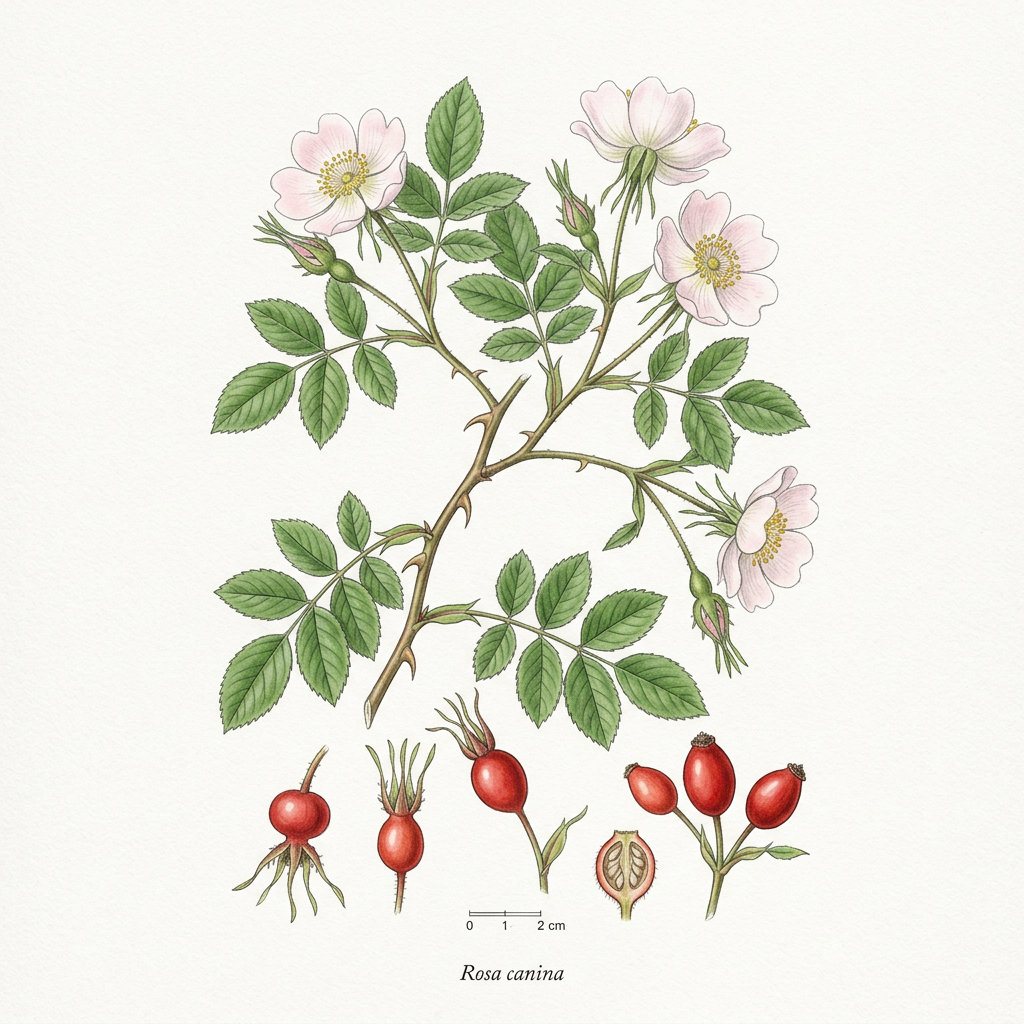
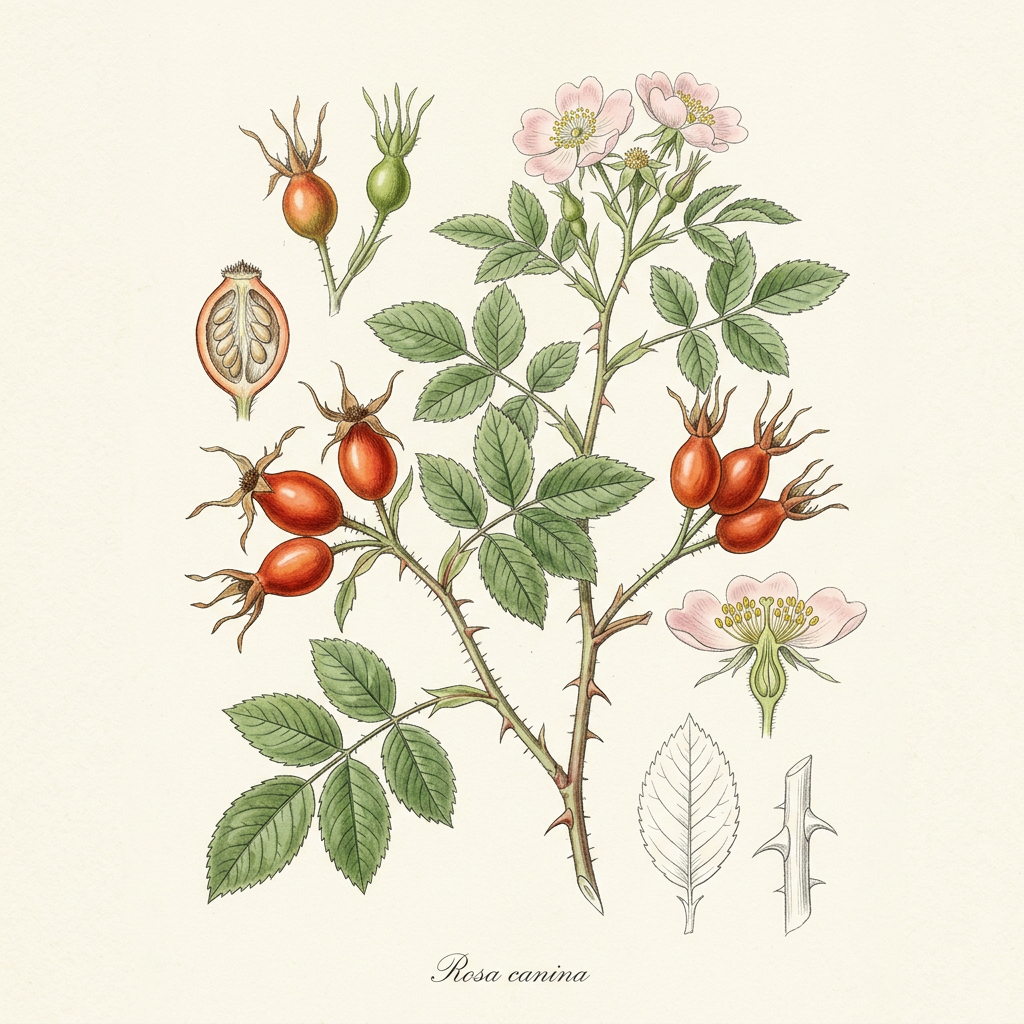
Dog rose

Dog rose

Rosa canina

Immune Support
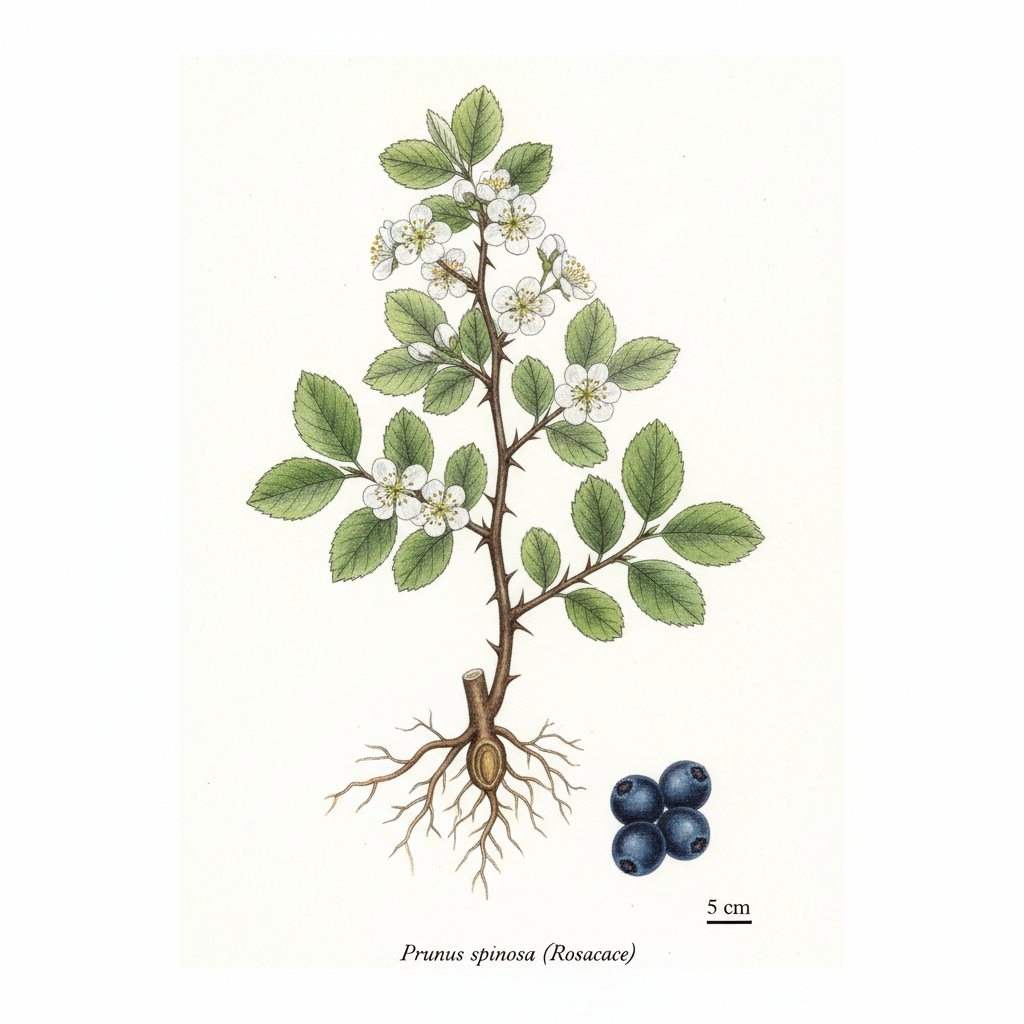
Blackthorn

Blackthorn

Prunus spinosa

Digestive health
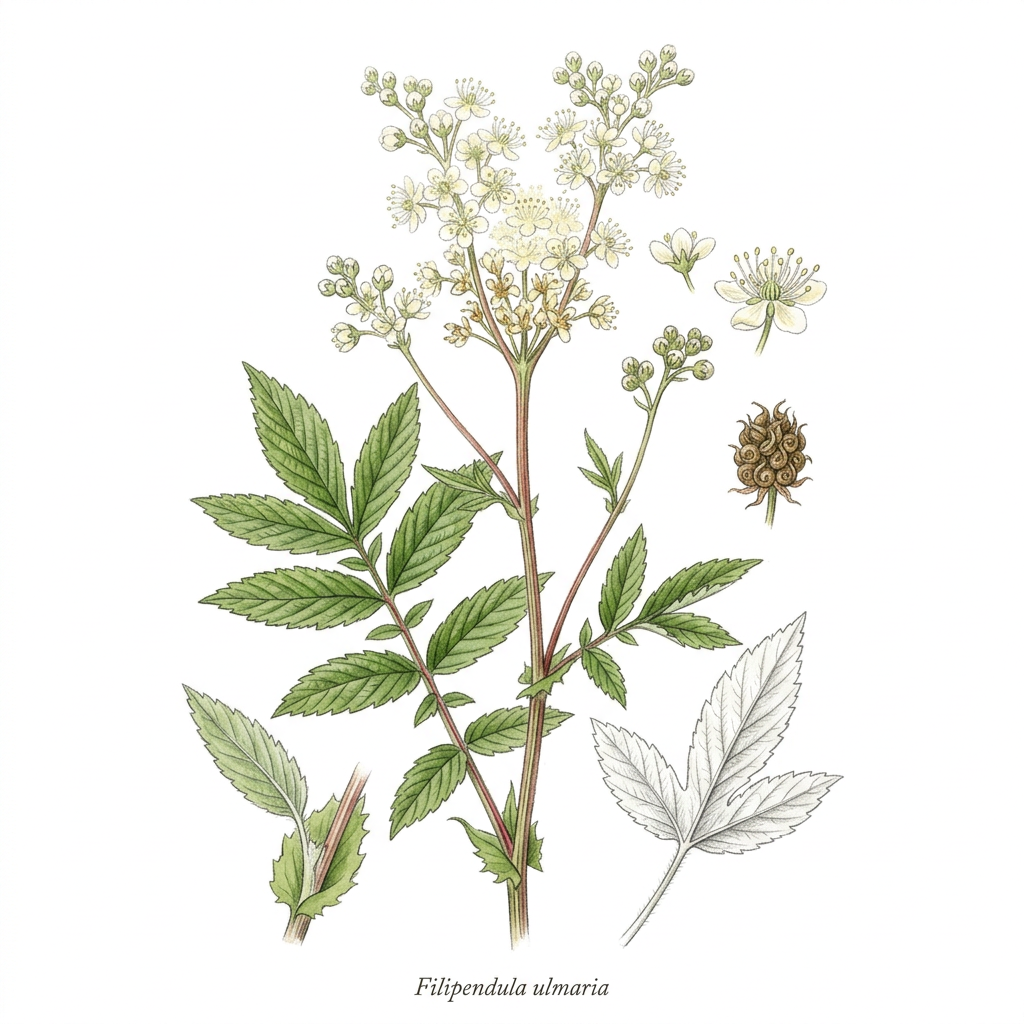
Filipendula ulmaria

Filipendula ulmaria
Filipendula ulmaria

Immune Support
Rose Hips

Rose Hips

Rosa canina

Immune support