The Wild Sage logo
The Wild Sage Logo

Herbal Medicine at your fingertips

Comprehensive database of herbal remedies with detailed safety information and traditional uses

New to herbal terms? Read the glossary →
ADHD
Abcess
Acid Reflux Relief
Acinetobacter
Acne
Acne Vulgaris
Addisons
Adenomyosis
Adenovirus
Adrenal fatigue
Aging
Aids
Alcaligenes faecalis
Alcoholism
Allergic Rhinitis
Allergies
Allergy
Alopoecia
Alopoecia nervosa
Alzheimer's, Dementia & Cognitive Decline
420 herbs found
Important: This information is for educational purposes only. Always consult with qualified healthcare professionals before using herbal remedies, especially if you have existing health conditions or take medications.
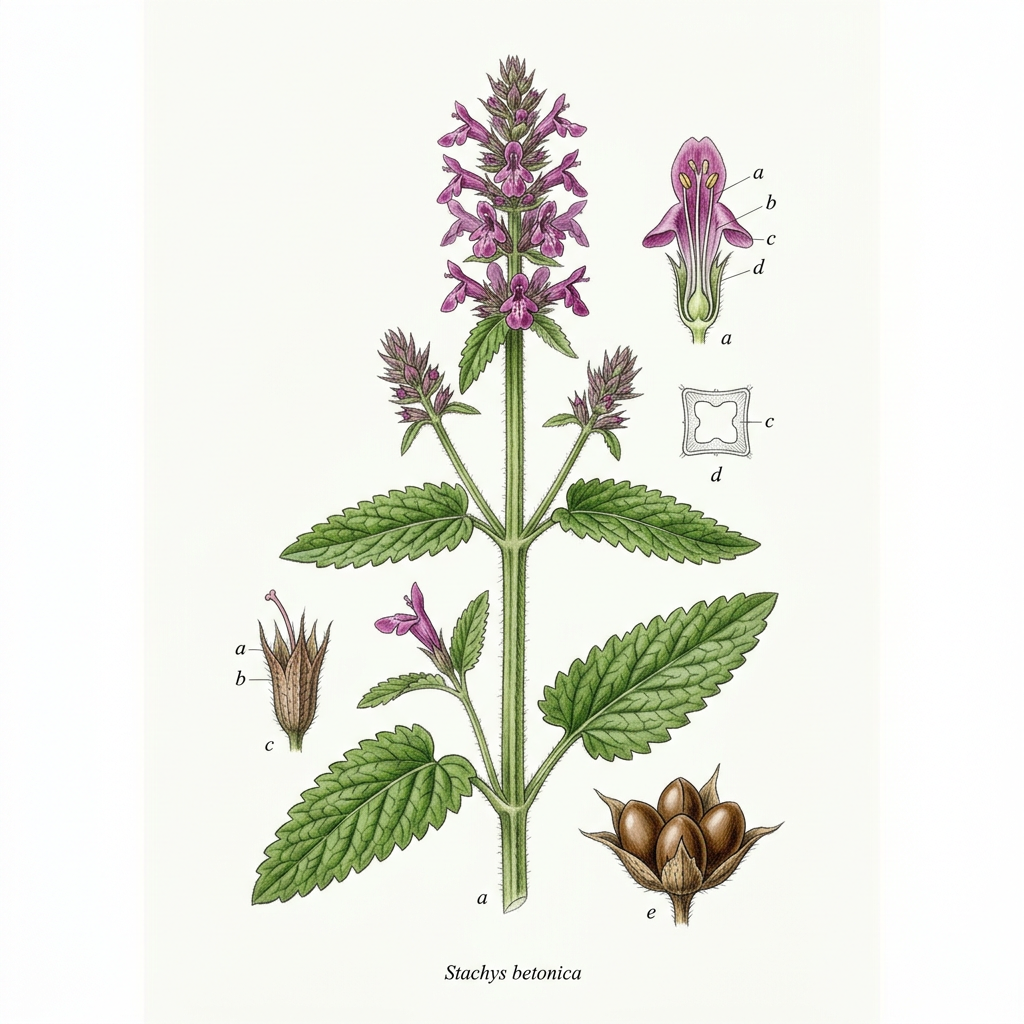
Wood betony

Wood betony

Stachys betonica

low risk Risk
Lamiaceae
Cooling bitter
<p>Wood Betony, known scientifically as Stachys betonica, is a perennial herb belonging to the mint family (Lamiaceae) and is native to the grasslands of Europe and Asia. Historically, this remarkable plant has been revered in traditional herbal medicine for centuries, dating back to ancient times when it was associated with protective and healing properties. Ancient herbalists and physicians, including notable figures like Dioscorides and Culpepper, extolled its virtues for a range of ailments. In folk medicine, wood betony was commonly employed as a remedy for headaches, digestive troubles, and anxiety, often used in infused teas or tinctures that harnessed its beneficial qualities. The therapeutic properties of wood betony are multifaceted, making it a valuable addition to herbal medicine cabinets. It is primarily recognized for its role as a digestive aid, promoting healthy digestion and alleviating discomfort associated with conditions such as bloating and indigestion. Additionally, wood betony possesses mild sedative effects, which can help soothe the nervous system and ease tension, providing relief from stress and anxiety. Its anti-inflammatory and muscle-relaxant properties further enhance its utility in addressing a wide array of health concerns, including headaches, muscular pain, and respiratory issues. Furthermore, some studies suggest that wood betony may exhibit antioxidant properties, which can support overall well-being by combating oxidative stress in the body. The therapeutic efficacy of wood betony can be attributed to its diverse phytochemical composition, which includes flavonoids, tannins, and essential oils. These components work synergistically to promote digestive health by increasing bile production and supporting the function of the liver and gallbladder. The muscle-relaxant effects are believed to stem from its interaction with neurotransmitters, facilitating relaxation of muscle tension and alleviating pain. When consumed, wood betony encourages blood circulation and may even enhance cognitive function, making it a beloved herb not only for its traditional uses but also for its modern potential in holistic health practices. As interest in natural remedies grows, wood betony stands out as a time-honored herb worthy of revival in contemporary herbal practice.</p>

Uses & Conditions

Convalescence
Anxiety
Asthma
Bipolar disorder
Brain fog
Brain injury
Chronic fatigue
Confusion
Concussion
Digestive issues
Dizziness
GORD
Head trauma
Hypertensive headaches
Lower respiratory tract infection
Migraine
Nightmares
Night terrors
TMJ
Wound healing

Actions

Adrenal tonic
Analgesic
Anti-inflammatory
COX 2 inhibitor
Nervine
Pituitary tonic

Parts Used

Aerial parts

Native Countries

Europe.

USDA Hardiness Zones

USDA 3-8

Contraindications

  • Pregnancy: Due to lack of safety data regarding uterine stimulation
  • it is best avoided
  • Breastfeeding: Avoid use during lactation as safety profile is currently undetermined
  • Surgery: Discontinue use at least two weeks before scheduled surgical procedures due to potential sedative interactions with anaesthetics
  • Hypotension: Use with caution as it may exacerbate the condition

Potential Side Effects

  • Mild gastrointestinal upset or nausea
  • Drowsiness or lethargy if taken in excess of recommended dosages
  • Occasional headaches if used for prolonged periods

Interactions

  • Sedative medications (e.g. benzodiazepines, barbiturates): May have an additive effect, potentially increasing drowsiness
  • Antihypertensive drugs: May theoretically enhance the effect of blood pressure lowering medication
  • Central nervous system medicines: Use caution when combining with prescription drugs affecting the CNS

Dosages, tincture ratios & research — members only

Unlock Garreth's dosing guidance, tincture ratios, the dosage calculator and the research studies for Wood betony.

Your assessment and results stay saved — upgrading only unlocks more of them.

See membership plans

Community Photos

No community photos yet. Sign in to upload photos.

Reviews & Ratings

Sign in to leave a review.

No reviews yet. Be the first!

GF

Garreth Falls — B.Th., Dip. H.M., MNIMH

Content curated and reviewed by Garreth Falls, Consultant Medical Herbalist · The Wild Sage

Medical Disclaimer: This information is for educational purposes only and is not intended as medical advice. Always consult with qualified healthcare professionals before starting any herbal treatment.
Western tradition

Sustainability & quality

Abundant

Common in meadows; ensure sustainable collection if wild-harvesting.

Key constituents

Wood Betony extract, Wood Betony compounds, Betony alkaloids, Monoterpenes, Sesquiterpense

References

  1. British Herbal Pharmacopoeia 1983
  2. Herbal Reality. Herb monographs. herbalreality.com

Reviewed by Garreth, Medical Herbalist (MNIMH) · November 2026

Related conditions

Explore conditions where Wood betony is traditionally used.

Related Herbs
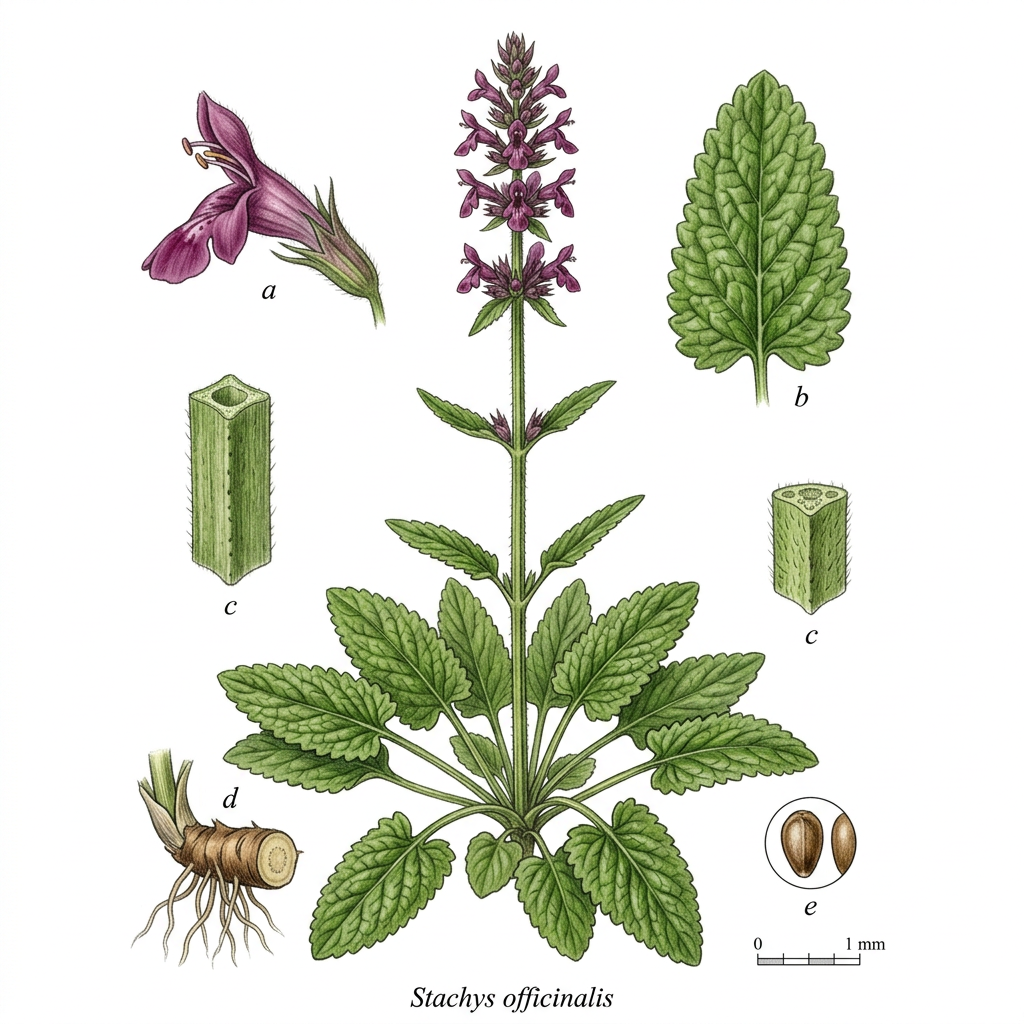
Betony

Betony

Stachys officinalis

Digestive aid
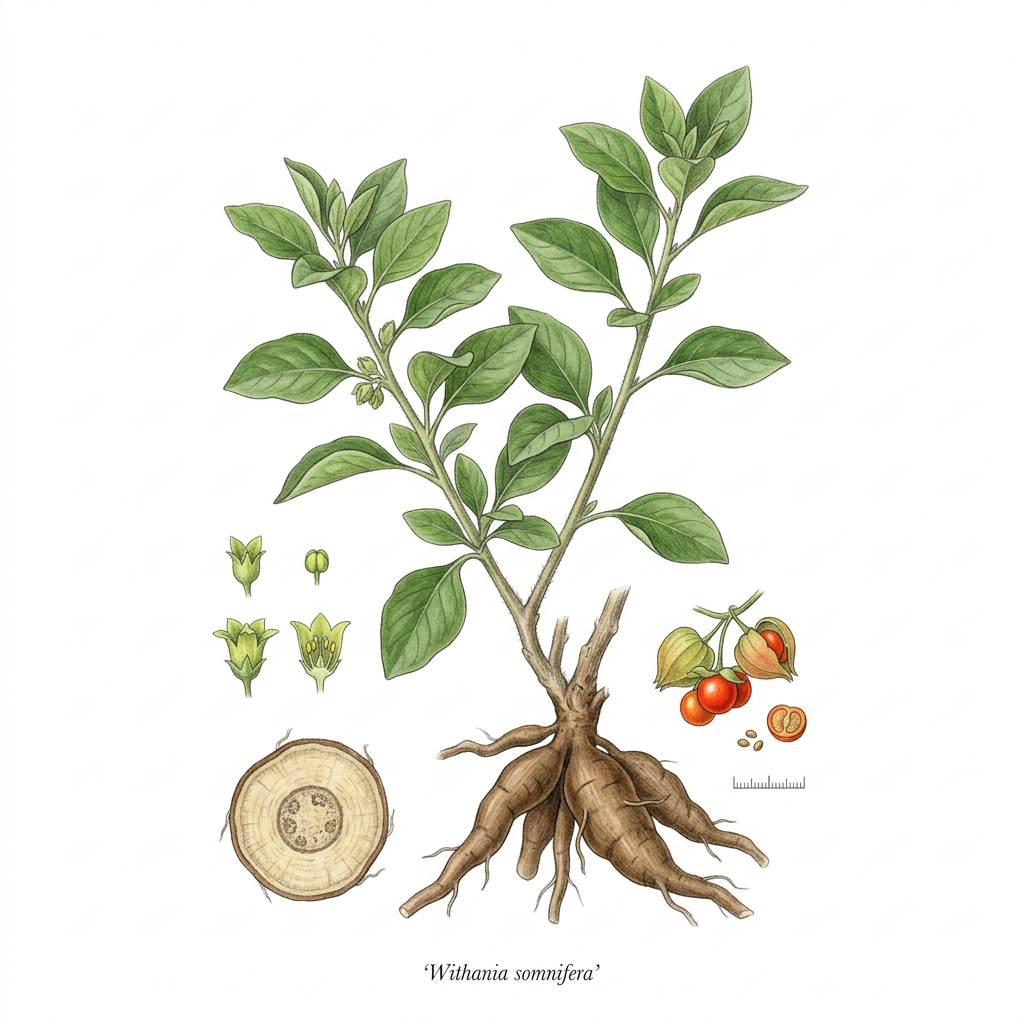
Ashwagandha

Ashwagandha

Withania somnifera

Immune Support
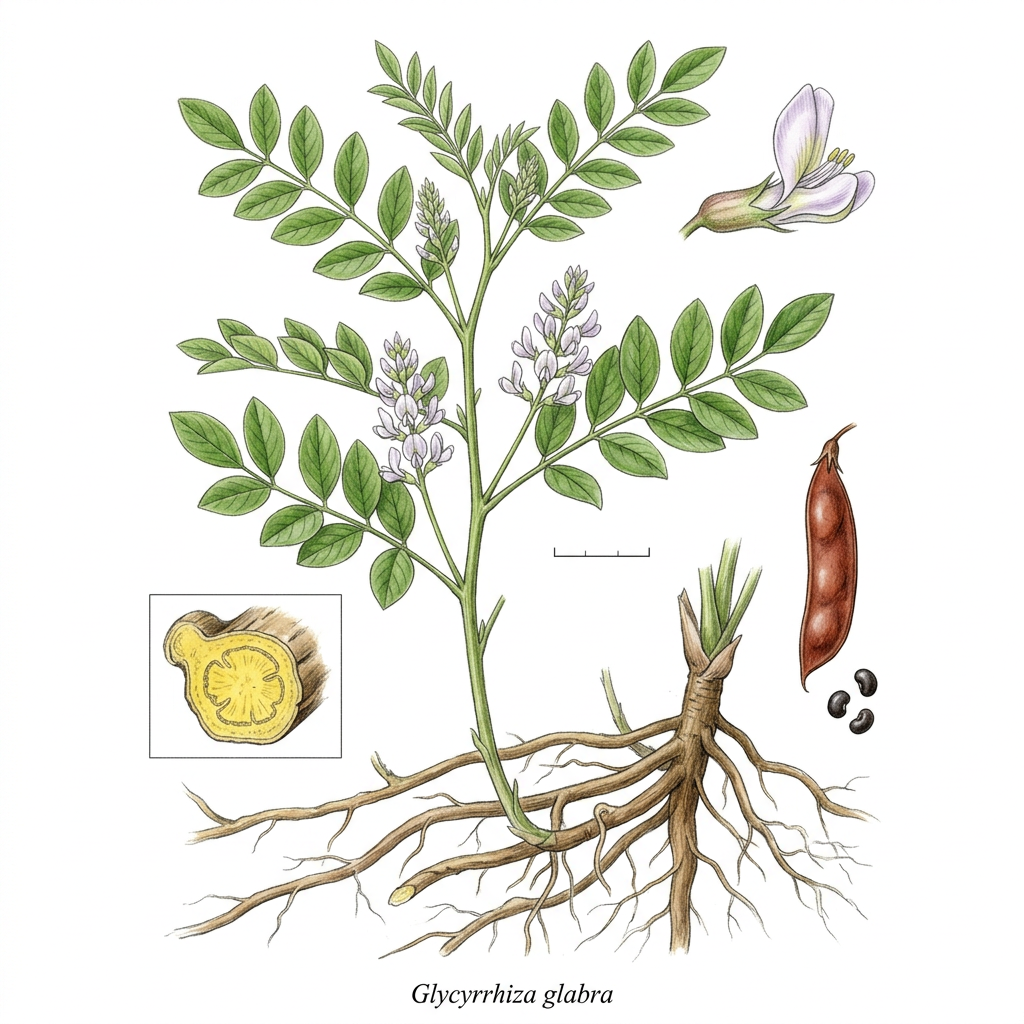
Licorice

Licorice

Glycyrrhiza glabra

Adrenal support
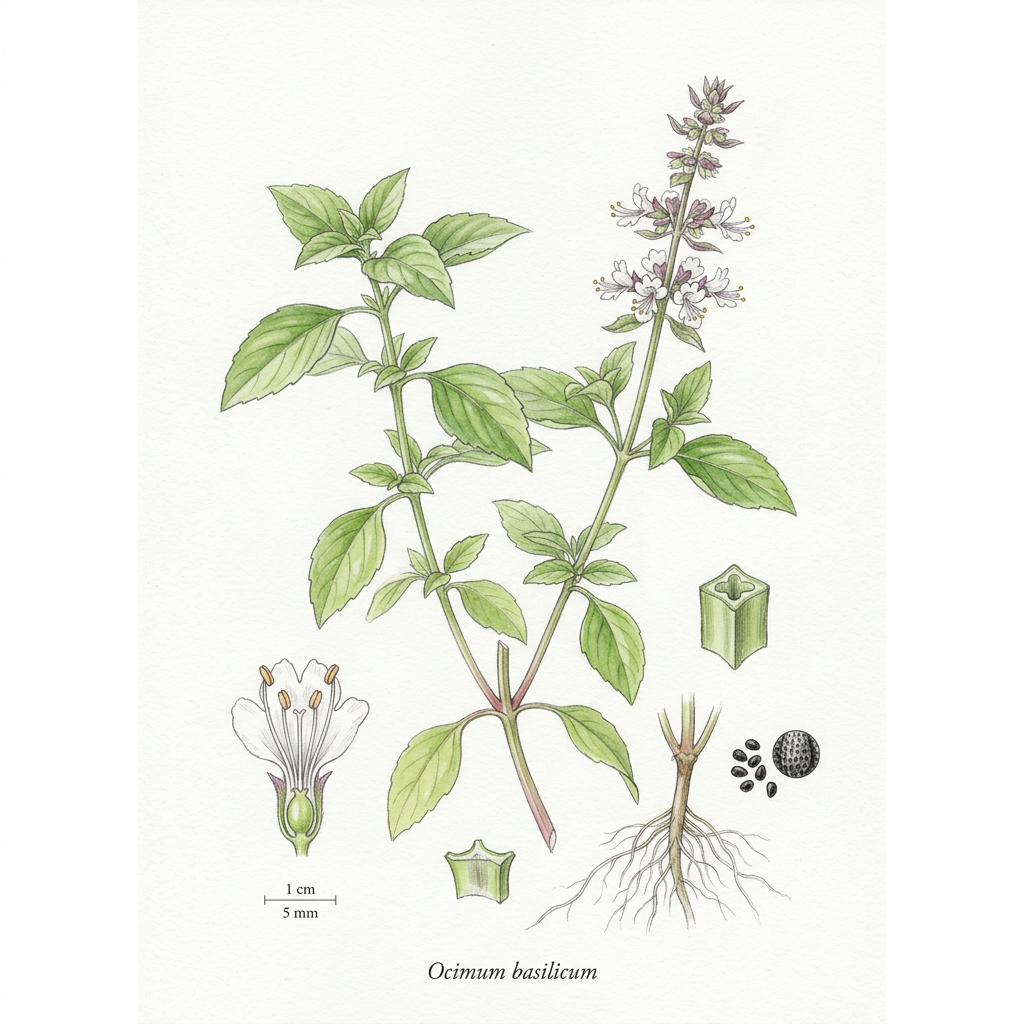
Basil

Basil

Ocimum basilicum

Convalescence