The Wild Sage logo
The Wild Sage Logo

Herbal Medicine at your fingertips

Comprehensive database of herbal remedies with detailed safety information and traditional uses

New to herbal terms? Read the glossary →
ADHD
Abcess
Acid Reflux Relief
Acinetobacter
Acne
Acne Vulgaris
Addisons
Adenomyosis
Adenovirus
Adrenal fatigue
Aging
Aids
Alcaligenes faecalis
Alcoholism
Allergic Rhinitis
Allergies
Allergy
Alopoecia
Alopoecia nervosa
Alzheimer's, Dementia & Cognitive Decline
420 herbs found
Important: This information is for educational purposes only. Always consult with qualified healthcare professionals before using herbal remedies, especially if you have existing health conditions or take medications.
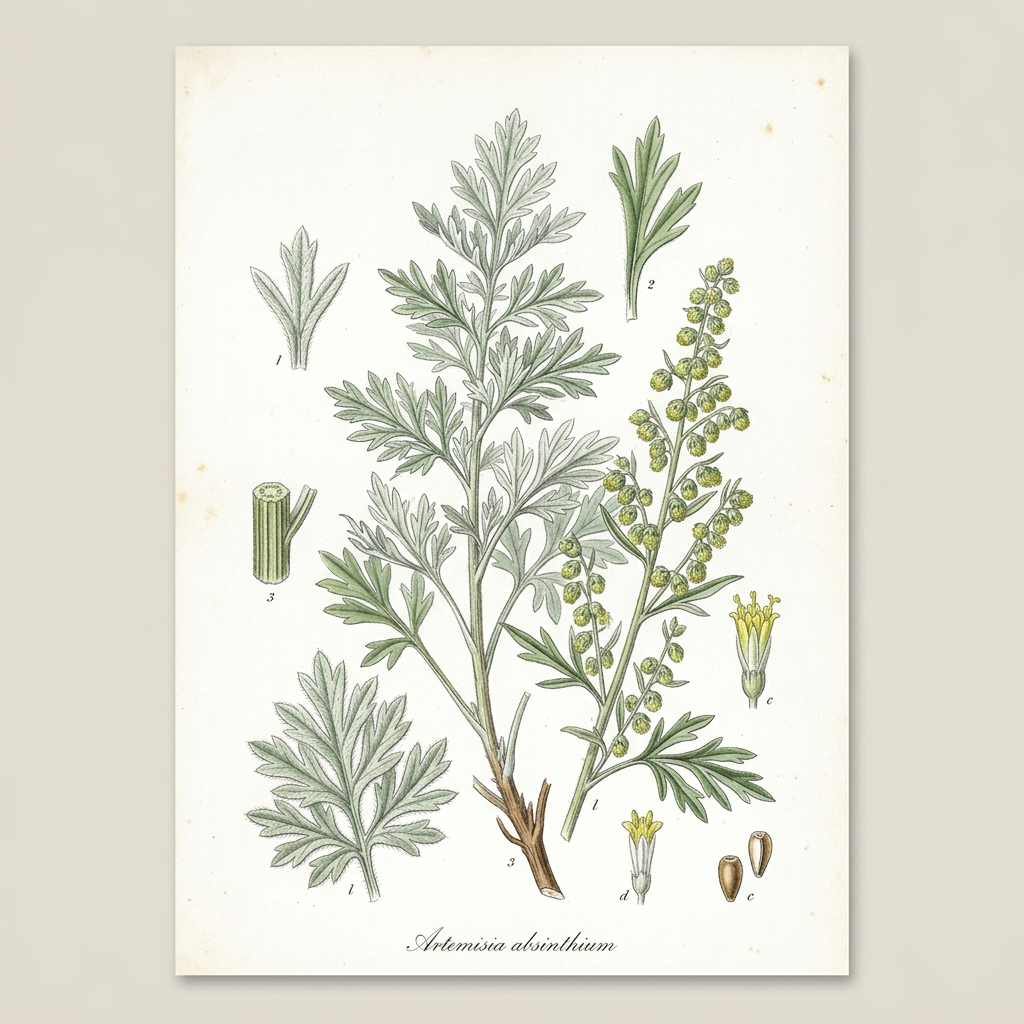
Wormwood

Wormwood

Artemisia absinthium

moderate risk Risk
Asteraceae
Enhances clarity, focus, protection, purification, and revives tissue function.
<p>Woodworm, commonly known as Wormwood, is a perennial herbaceous plant belonging to the Asteraceae family. Traditionally celebrated for its strikingly bitter flavor and silvery-green foliage, Wormwood has been a cornerstone of herbal medicine for centuries. Historical texts reveal its extensive use dating back to ancient civilizations, where it was employed as a remedy for digestive ailments and fever. The namesake of the infamous spirit absinthe, Wormwood has also been referenced in various cultural practices, notably within the rituals of medieval Europe, where it was believed to possess protective properties against evil spirits. Beyond its fascinating lore, this herb has been integral in traditional medicine systems, particularly in Europe and Asia, where it has been employed to stimulate appetite, alleviate gastrointestinal disorders, and provide relief from menstrual discomfort. The therapeutic properties of Wormwood are diverse and significant, making it a valued addition to herbal therapy. It is reputed for its anthelmintic action, effectively expelling parasitic worms from the body. This herb also exhibits aromatic digestive properties, enhancing digestive function and promoting a healthy gut by relieving symptoms such as bloating and flatulence due to its carminitive effects. Additionally, Wormwood acts as a cholagogue and choleretic, supporting liver function by stimulating bile production and flow, thus enhancing the digestion and absorption of fats. Its emmenagogue action further underscores its importance in women's health, as it can encourage menstruation and alleviate associated discomforts. Other notable benefits of Wormwood include its stomachic and hepatoprotective actions, which underscore its role in maintaining overall digestive and liver health. The mechanisms through which Wormwood operates in the body are multifaceted. The presence of bioactive compounds, including thujone, flavonoids, and essential oils, contributes to its bitter flavor and therapeutic efficacy. Thujone, in particular, is known to stimulate the secretion of digestive juices and bile, fostering improved digestion and nutrient absorption. Moreover, the herbal constituents of Wormwood work synergistically to modulate inflammatory pathways and promote liver detoxification processes, enhancing overall metabolic health. By engaging the digestive tract and supporting liver function, Wormwood exemplifies the profound impact that traditional herbal remedies can have on modern health, marrying ancient wisdom with contemporary therapeutic understanding.</p>

Uses & Conditions

Osteoarthritis
Dyspepsia
Menorrhagia
Anxiety
Insomnia
Liver disorders
Intestinal parasites
Anorexia
Bloating
Poor appetite
Colds
Colic
Constipation
Crohn's disease
Digestive inflammation
Joint pain
Hepatitis
Hypochlorhydria
SIBO
Pyelonephritis
Aspergillus infection

Actions

Hepatoprotective
Emmenagogue
Choleretic
Anthelmintic
Stomachic
Carminative
Cholagogue
Aromatic digestive
NFkB inhibitor
TNF-alpha inhibitor
Aphrodisiac

Synonyms

Wormwood

Parts Used

Aerial parts
Leaves
Whole plant

Native Countries

Asia
Europe
Mediterranean

USDA Hardiness Zones

USDA 3-10
USDA 3-8
USDA 3-9

Contraindications

  • Pregnancy
  • Epilepsy
  • Young children
  • Porphyria
  • Underlying defects in hepatic haem synthesis
  • Peptic ulcers

Potential Side Effects

  • Nausea and vomiting in excessive doses
  • Headache and dizziness linked to high-dose thujone exposure
  • Allergic contact dermatitis in sensitive individuals
  • Neurotoxicity with prolonged or high-dose intake

Interactions

  • Anticonvulsants: may interfere with medication efficacy
  • Coumarin anticoagulants: potential for altered effects
  • Gastrointestinal medications: may counteract antispasmodics or acid-suppressants
  • Sedatives: avoid concurrent use due to potential complex effects on the central nervous system

Dosages, tincture ratios & research — members only

Unlock Garreth's dosing guidance, tincture ratios, the dosage calculator and the research studies for Wormwood.

Your assessment and results stay saved — upgrading only unlocks more of them.

See membership plans

Community Photos

No community photos yet. Sign in to upload photos.

Reviews & Ratings

Sign in to leave a review.

No reviews yet. Be the first!

GF

Garreth Falls — B.Th., Dip. H.M., MNIMH

Content curated and reviewed by Garreth Falls, Consultant Medical Herbalist · The Wild Sage

Medical Disclaimer: This information is for educational purposes only and is not intended as medical advice. Always consult with qualified healthcare professionals before starting any herbal treatment.
Western tradition

Sustainability & quality

Abundant

Easily invasive in some areas; ensure collection is from clean, non-industrial sites.

Key constituents

Artemisia essential oil, Anti-inflammatory, Antimicrobial, flavonoids, Sesquiterpine lactones, Volatile Oils, Phenolic compounds, Monoterpenes, Sabinene, Ketones, Thujone, Chamazulene, Bisabolene

References

  1. ESCOP Monographs 2nd ed. 2003
  2. British Herbal Pharmacopoeia 1983
  3. Mills & Bone "The Essential Guide to Herbal Safety" 2005
  4. Herbal Reality. Herb monographs. herbalreality.com

Reviewed by Garreth, Medical Herbalist (MNIMH) · November 2026

Related conditions

Explore conditions where Wormwood is traditionally used.

Related Herbs
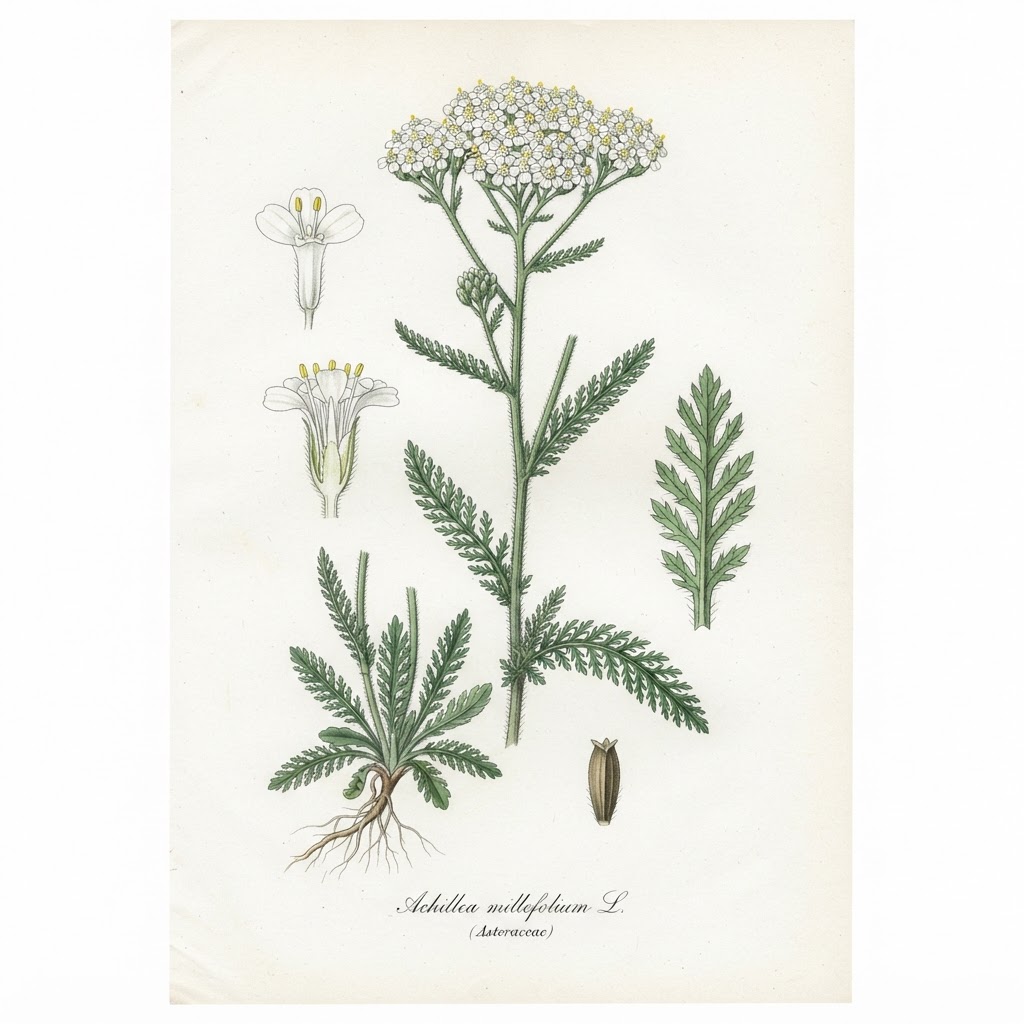
Yarrow

Yarrow

Achillea millefolium

Digestive Tonic
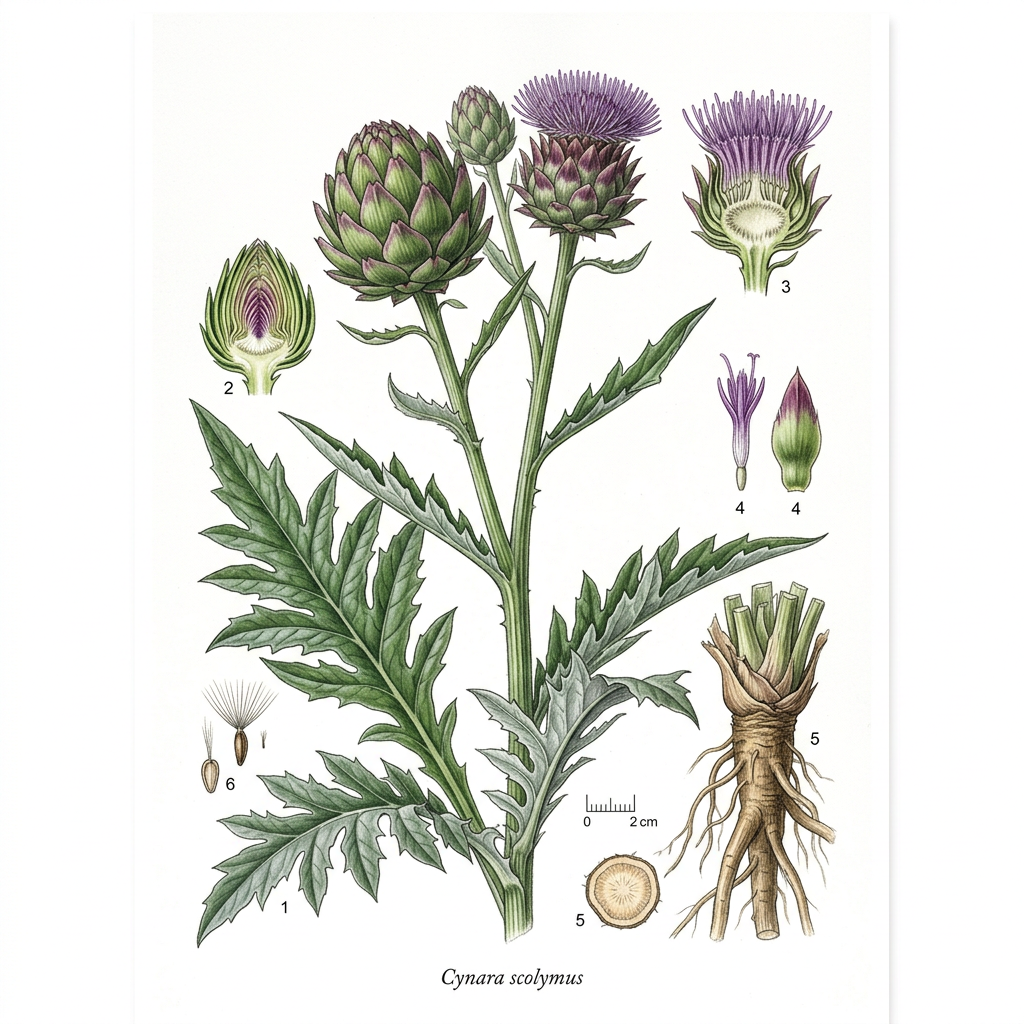
Artichoke

Artichoke

Cynara scolymus

Liver Support
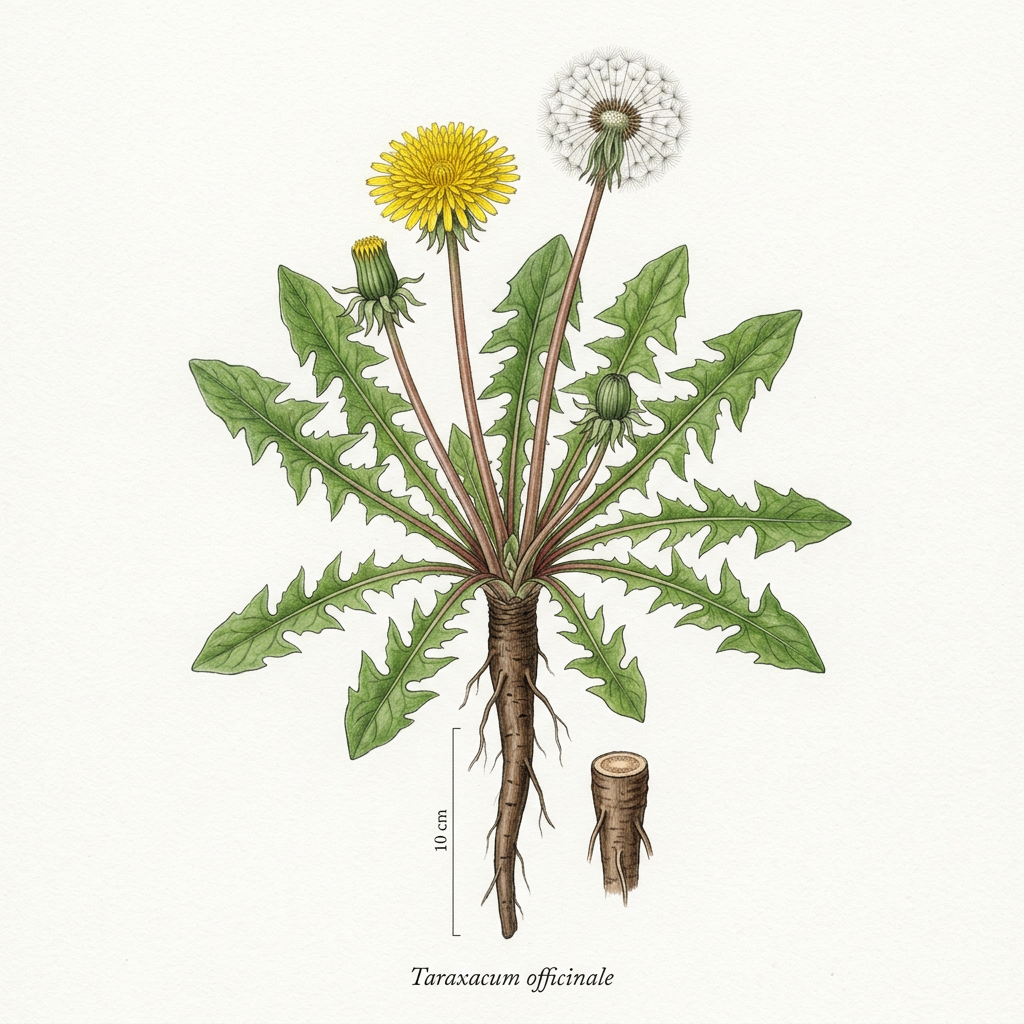
Dandelion

Dandelion

Taraxacum officinale

Detoxification
Chamomile

Chamomile

Matricaria recutita

Digestive Tonic