The Wild Sage logo
The Wild Sage Logo

Herbal Medicine at your fingertips

Comprehensive database of herbal remedies with detailed safety information and traditional uses

New to herbal terms? Read the glossary →
ADHD
Abcess
Acid Reflux Relief
Acinetobacter
Acne
Acne Vulgaris
Addisons
Adenomyosis
Adenovirus
Adrenal fatigue
Aging
Aids
Alcaligenes faecalis
Alcoholism
Allergic Rhinitis
Allergies
Allergy
Alopoecia
Alopoecia nervosa
Alzheimer's, Dementia & Cognitive Decline
420 herbs found
Important: This information is for educational purposes only. Always consult with qualified healthcare professionals before using herbal remedies, especially if you have existing health conditions or take medications.
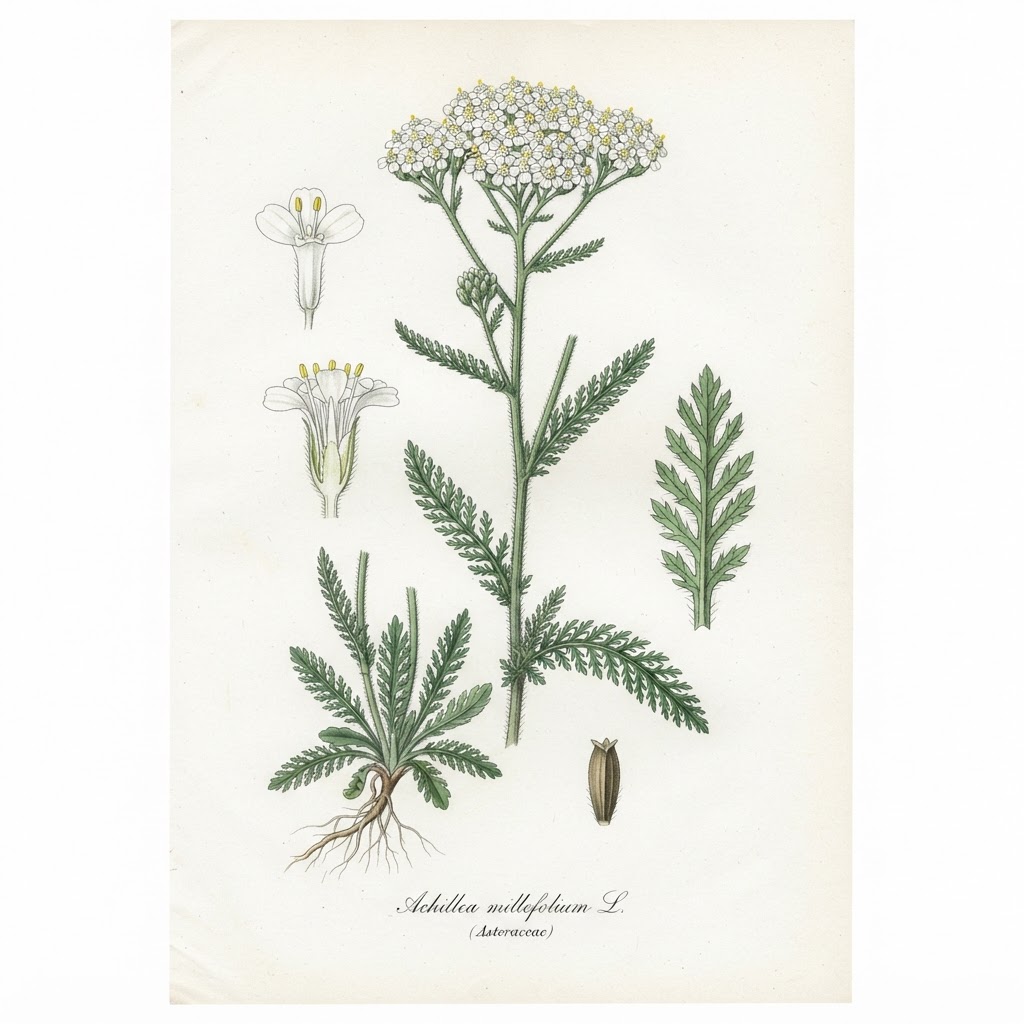
Yarrow

Yarrow

Achillea millefolium

low risk Risk
Asteraceae
Yarrow promotes emotional stability, enhances intuition, and provides protective energy while supporting healthy boundaries.
<p>Achillea millefolium, commonly known as Yarrow, is a perennial herbaceous plant belonging to the Asteraceae family. With origins traceable to the temperate regions of Europe, Asia, and North America, Yarrow has a rich history of use in traditional medicine dating back to ancient civilizations. The plant has been revered not only for its striking clusters of white to pale yellow flowers and feathery leaves but also for its versatile therapeutic properties. In traditional herbal practices, Yarrow has been employed as a powerful remedy for wounds—its very name is derived from the legendary Greek hero Achilles, who reputedly used the plant to staunch the bleeding of his wounded soldiers. Additionally, Yarrow has found a place in folk medicine as a treatment for various ailments, including digestive issues, menstrual discomfort, and as a natural remedy for colds and fevers. The therapeutic repertoire of Yarrow is impressively extensive, with numerous bioactive compounds that contribute to its beneficial effects. This herb has been classified as possessing anti-inflammatory, antimicrobial, and astringent properties, making it a valuable ally in promoting wound healing and reducing inflammation. Yarrow also demonstrates beneficial effects on the circulatory system as a peripheral vasodilator, aiding in improved blood flow, and boasts choleretic effects that enhance bile production, thereby supporting digestion. Its analgesic and anxiolytic actions can help manage pain and alleviate anxiety, further solidifying its role as a multifaceted herbal remedy. The herb is also noted for its emmenagogue properties, potentially stimulating menstrual flow and providing relief from menstrual discomfort. The efficacy of Yarrow's therapeutic actions is largely attributed to its complex phytochemical profile, which includes flavonoids, alkaloids, and essential oils. These compounds function synergistically within the body, targeting inflammatory pathways and microbial agents while also promoting vasodilation and improving digestive function. For instance, its bitter components enhance digestive processes by stimulating bile secretion and gastric juices, which can alleviate symptoms of indigestion. Additionally, Yarrow's anti-pyretic properties help in regulating body temperature during febrile states, making it a natural option for managing fevers. Moreover, pharmacological studies indicate that certain constituents of Yarrow exhibit COX-2 inhibitory activity, which plays a crucial role in modulating inflammation and pain. Thus, Yarrow continues to be a valuable herb in both contemporary herbalism and traditional practices, embodying the intersection of historical wisdom and modern natural therapeutics.</p>

Uses & Conditions

Digestive Tonic
Haemostasis Support
Amenorrhoea
Anorexia
Anxiety
B12 Deficiency
Bleeding
Candida
Capillary Fragility
Cervical Dysplasia
Colds
Colic
Cystitis
Dermatitis
Dysentery
Dysmenorrhoea
Dyspepsia
Epistaxis
Fever
Fibroids
Haematuria
Haemorrhages
Haemorrhoids
Hypertension
Inflammation
Insomnia
Kidney Disease
Leucorrhea
Menorrhagia
Pyelonephritis
Reflux
Streptococcus Infection
Urinary Incontinence
Urinary Tract Infection
Venous Insufficiency
Wounds

Actions

Analgesic
Anti-haemorrhagic
Anti-inflammatory
Anti-microbial
Anti-parasitic
Anti-phlogistic
Anti-pyretic
Antiviral
Anxiolytic
Astringent
Bitter
Calcium Channel Blocker
Choleretic
COX-2 Inhibitor
Diuretic
Emmenagogue
Hepatoprotective
Hypotensive
NFkB Inhibitor
Peripheral Vasodilator
Spasmolytic
Styptic
TNF-a Inhibitor
Tonic
Vulnerary

Synonyms

Milfoil (refers to its feathery
"thousand-leaf" appearance) Soldier’s Woundwort (historic use for treating battlefield injuries) Nosebleed Plant (reflecting its hemostatic action) Staunchweed (another nod to its blood-stopping properties) Carpenter’s Weed Bloodwort Herbe de St. Joseph (French) Herba militaris (Latin
used in some texts) Common Yarrow Old Man’s Pepper Thousand-leaf or Thousand-seal Field Hop (used as a hop substitute in brewing) Devil’s Nettle (less common
regional)

Parts Used

Ariel parts. Yarrow Flower Constituents: Higher in volatile oils (e.g.
chamazulene
borneol
cineole)
flavonoids
and some sesquiterpene lactones. Actions: More pronounced anti-inflammatory
antispasmodic
and gentle diaphoretic effects. The volatile oils contribute to wound healing
skin-soothing
and mild antimicrobial properties. Uses: Topically for wounds
burns
and skin inflammation (promotes tissue repair and reduces infection risk). Internally as a gentle diaphoretic (fever management
especially in children)
and for its calming effect on digestion and mild menstrual discomfort. Often included in teas for colds/flu due to its pleasant taste and gentle action. Yarrow Leaf Constituents: Higher levels of tannins
bitter principles
and alkaloids (e.g.
achilleine)
with some volatile oils but less than the flower. Actions: More astringent
hemostatic (stops bleeding)
and bitter tonic. The alkaloids enhance blood-staunching effects. Uses: Traditionally used to stop bleeding (both internal and external)—classic “wound herb.” Useful for digestive issues where astringency is needed (e.g.
diarrhea
leaky gut
hemorrhoids). Sometimes chewed fresh or made into a poultice for nosebleeds
cuts
or insect bites. The bitterness stimulates bile flow and digestion
making it a classic bitter tonic. Flower: Best for gentle
anti-inflammatory
soothing
and diaphoretic uses. Ideal in teas
topical applications
and blends for fevers and skin care. Leaf: Best for astringent
hemostatic
and bitter tonic actions. Ideal for wound care
digestive complaints
and as a bitter herb in formulas.

Native Countries

Europe
Asia
Northern Europe

USDA Hardiness Zones

USDA 3-11

Preparations & Dosage

  • Infusion: 2-4 g of dried herb in 250 ml of boiling water, steeped for 10-15 minutes, taken 3-4 times daily
  • Tincture: 1:5 ratio in 25% alcohol, 2-5 ml taken up to three times daily
  • Topical Poultice: Freshly crushed leaves applied directly to minor cuts or grazes to assist with haemostasis
  • Compress: Soak a clean cloth in a strong infusion and apply to inflamed skin areas or superficial varicosities

Maximum weekly dose: 30 ml

Contraindications

  • Pregnancy: Traditionally avoided due to potential uterine stimulating effects.
  • Breastfeeding: Generally cautioned against due to lack of safety data.
  • Asteraceae family allergy: Contraindicated in individuals with known hypersensitivity to members of the daisy family.
  • Gallstone obstruction: Should be avoided if biliary obstruction is present due to choleretic activity.
  • Surgery: Discontinue use at least two weeks prior to elective surgery due to potential influence on blood clotting.

Potential Side Effects

  • Dermatitis in those sensitive to the Asteraceae family.

Interactions

  • Anticoagulants and antiplatelet drugs: Theoretically may increase the risk of bleeding due to potential blood-thinning effects.
  • Lithium: Yarrow may act as a diuretic, potentially reducing the excretion of lithium and increasing serum levels.
  • Antihypertensive medication: Potential additive effects when used with blood pressure-lowering drugs.
  • Sedatives: May potentiate the effects of CNS depressants due to possible mild anxiolytic activity.

Dosage Calculator

Community Photos

No community photos yet. Sign in to upload photos.

Reviews & Ratings

Sign in to leave a review.

No reviews yet. Be the first!

GF

Garreth Falls — B.Th., Dip. H.M., MNIMH

Content curated and reviewed by Garreth Falls, Consultant Medical Herbalist · The Wild Sage

Medical Disclaimer: This information is for educational purposes only and is not intended as medical advice. Always consult with qualified healthcare professionals before starting any herbal treatment.
Western tradition

Sustainability & quality

Abundant

Very common weed; easily harvested, but ensure the area is free from chemical sprays.

Key constituents

Bitter, Furanocoumarins, Resins, Sesquiterpine lactones, Tannin, Volatile Oils, Alkaloids, Azulene, Chamazulene

References

  1. ESCOP Monographs 2nd ed. 2003
  2. EMA/HMPC Community Herbal Monograph
  3. British Herbal Pharmacopoeia 1983
  4. Herbal Reality. Herb monographs. herbalreality.com

Reviewed by Garreth, Medical Herbalist (MNIMH) · November 2026

Related conditions

Explore conditions where Yarrow is traditionally used.

Related Herbs
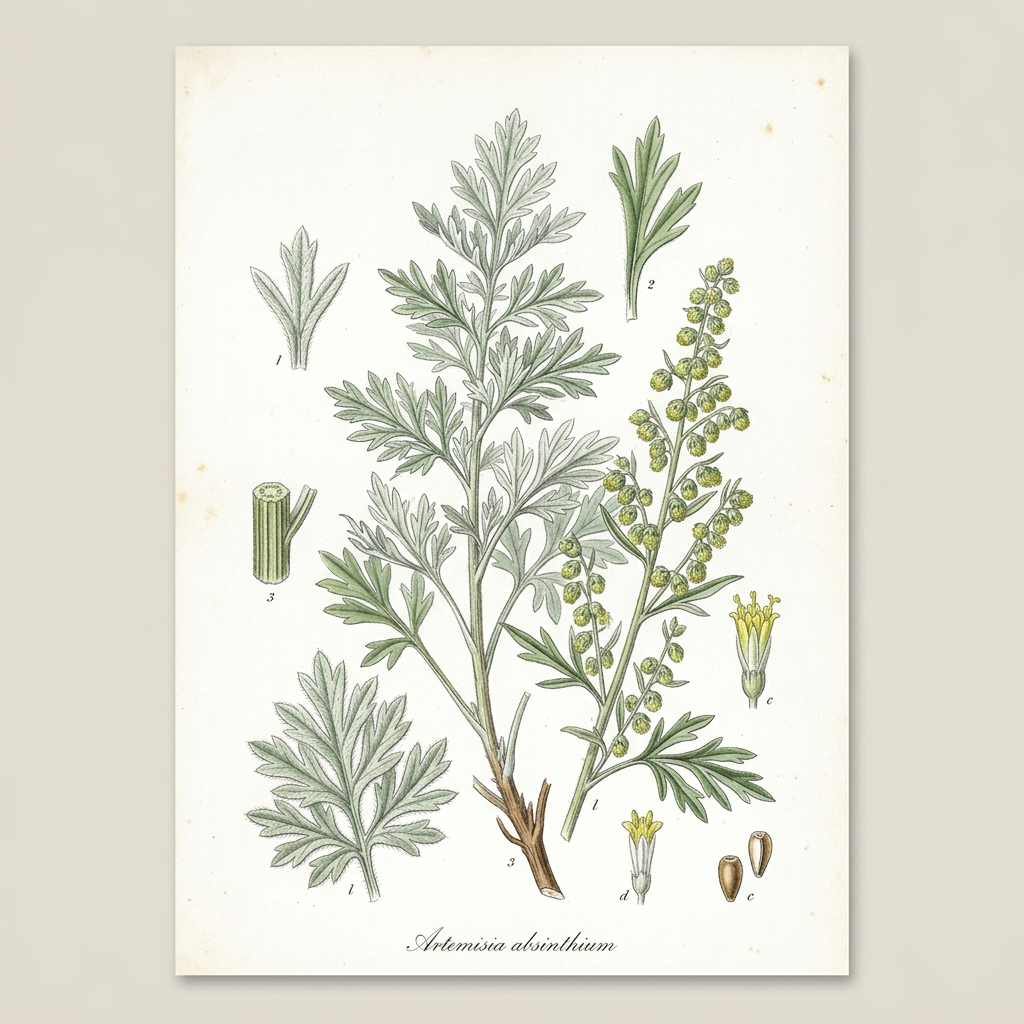
Wormwood

Wormwood

Artemisia absinthium

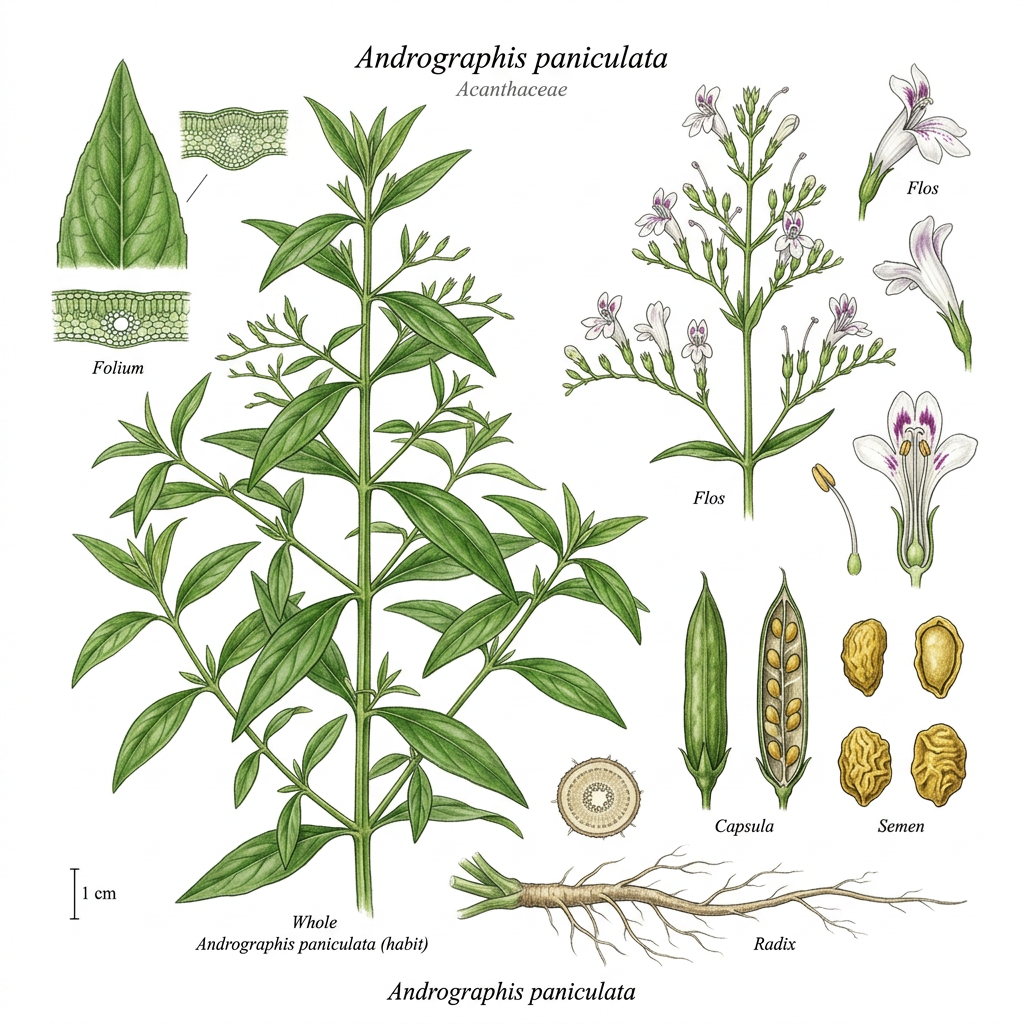
Andrographis

Andrographis

Andrographis paniculata

Immune Support
Chamomile

Chamomile

Matricaria recutita

Digestive Tonic
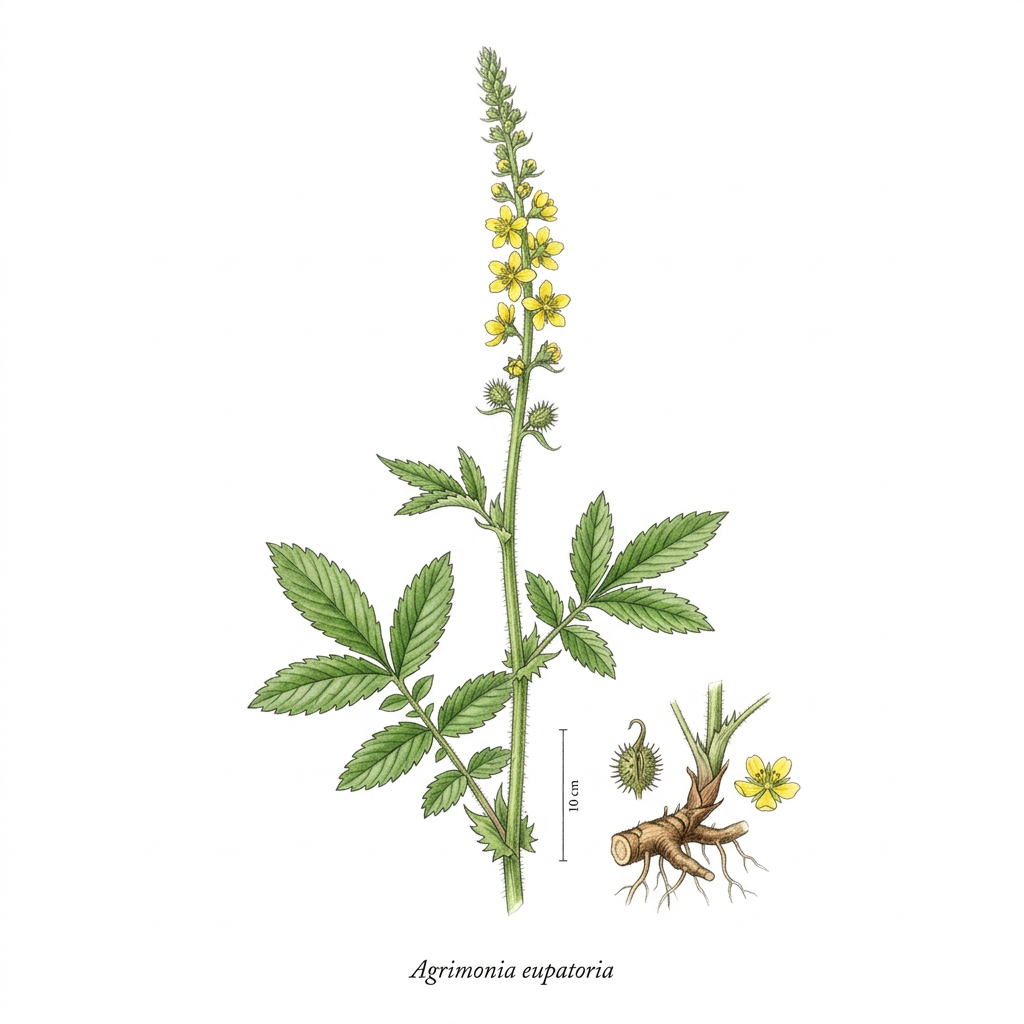
Agrimony

Agrimony

Agrimonia eupatoria

Digestive Aid