The Wild Sage logo
The Wild Sage Logo

Herbal Medicine at your fingertips

Comprehensive database of herbal remedies with detailed safety information and traditional uses

New to herbal terms? Read the glossary →
ADHD
Abcess
Acid Reflux Relief
Acinetobacter
Acne
Acne Vulgaris
Addisons
Adenomyosis
Adenovirus
Adrenal fatigue
Aging
Aids
Alcaligenes faecalis
Alcoholism
Allergic Rhinitis
Allergies
Allergy
Alopoecia
Alopoecia nervosa
Alzheimer's, Dementia & Cognitive Decline
420 herbs found
Important: This information is for educational purposes only. Always consult with qualified healthcare professionals before using herbal remedies, especially if you have existing health conditions or take medications.
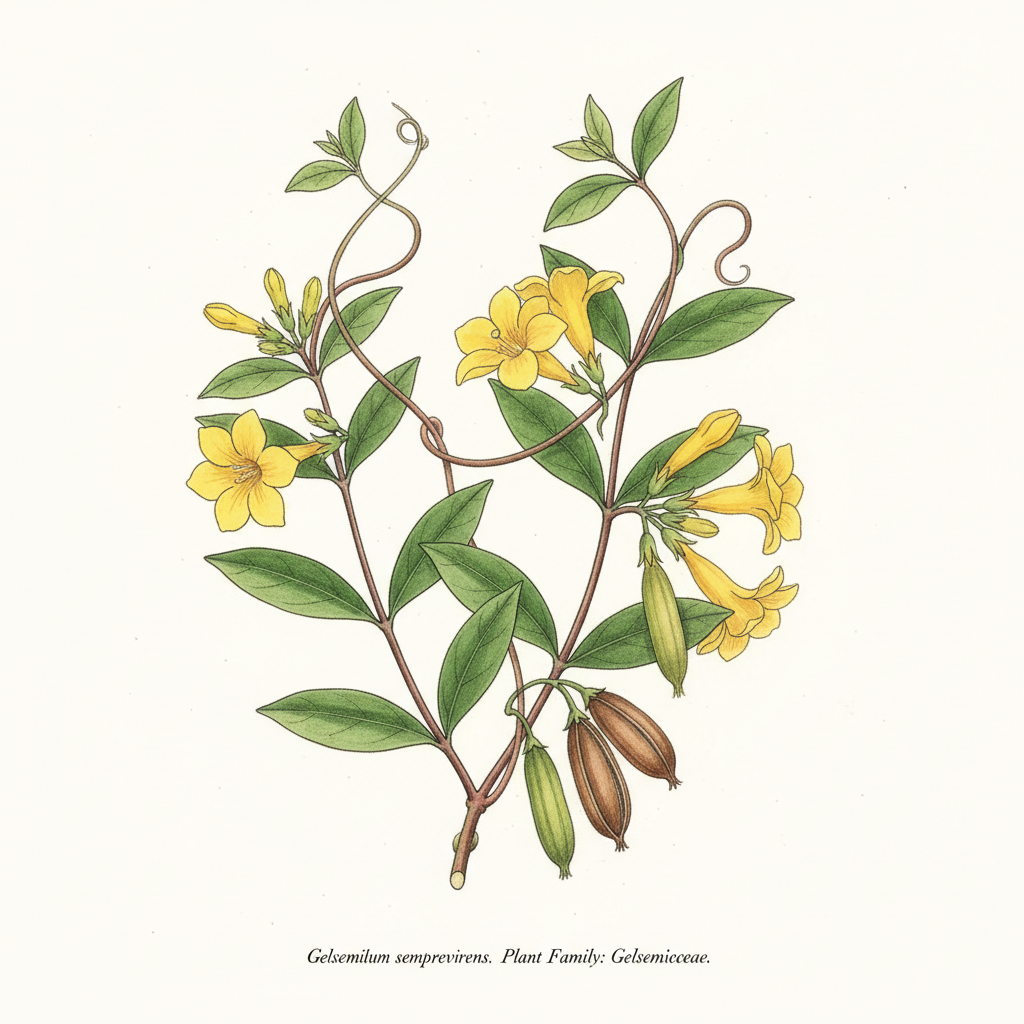
Yellow jasmine

Yellow jasmine

Gelsemium sempervirens

high risk Risk
Gelsemiaceae
often associated with relief from anxiety and stress. It is believed to promote tranquility and emotional balance.
<p>Yellow jasmine, scientifically known as Gelsemium sempervirens, is a perennial vine indigenous to the southeastern United States. Renowned for its striking, trumpet-shaped yellow flowers, this evergreen plant has captivated herbalists and traditional medicine practitioners for generations. Historically, Yellow jasmine has been utilized in various folk medicine practices, particularly by Indigenous communities, who recognized its potent properties long before the advent of modern pharmacology. Traditionally, this herb has been associated with calming effects, making it a valuable component for addressing anxieties and promoting a sense of tranquility. In contemporary herbal medicine, Yellow jasmine is primarily noted for its alkaloid content, particularly gelsemine and gelseminine. These compounds are believed to exhibit a range of therapeutic properties, including analgesic, anxiolytic, and muscle-relaxing effects. As an adaptogen, Gelsemium sempervirens is thought to support the body's response to stress and improve resilience against anxiety-related conditions. Moreover, it has historically been employed to alleviate symptoms associated with respiratory conditions, such as coughs and bronchitis, due to its mild sedative effects on the nervous system. However, it must be noted that the use of Yellow jasmine requires caution, as it can be toxic in large doses. The mechanism of action for Yellow jasmine primarily involves its interaction with the central nervous system. Gelsemine, the principal alkaloid, is believed to bind to specific receptors and modulate neurotransmitter activity, notably affecting gamma-aminobutyric acid (GABA) receptors, which play a critical role in inhibiting nerve transmission in the brain. This interaction can produce a calming effect, reducing nervous excitability and promoting relaxation. While Yellow jasmine holds significant promise in herbal therapeutics, its use should always be approached with care, preferably under the guidance of a qualified healthcare professional, to ensure safe and effective application.</p>

Uses & Conditions

Stress Response
Sleep Quality
Emotional Balance
Pain Reduction
Muscle Relaxation
Anxiety Disorders
Hypertension
Insomnia
Muscle Spasms
Chronic Pain
Nerve Pain
Respiratory Conditions
Cough
Bronchitis
TMJ
Toothaches
Trigeminal Neuralgia
Neuralgia

Actions

Sedative
Analgesic
Hypotensive
Anxiolytic

Parts Used

Aerial parts

Native Countries

North America

USDA Hardiness Zones

USDA 7-10

Contraindications

  • Heart disease
  • Hypotension
  • Myasthenia gravis
  • Overdose leads to languor
  • muscle weakness
  • paralysis
  • and respiratory suppression

Potential Side Effects

  • Dizziness and vertigo
  • Loss of muscular coordination
  • Visual disturbances including diplopia
  • ptosis
  • and dilated pupils
  • Respiratory depression
  • Profound weakness
  • Decreased heart rate

Interactions

  • CNS depressants and sedatives: may potentiate the effects of benzodiazepines, barbiturates, or alcohol
  • Anticholinergic drugs: potential for additive effects leading to increased risk of anticholinergic toxicity
  • MAO inhibitors: use is contraindicated due to potential for unpredictable neurotoxic reactions
  • Antihypertensive medication: theoretical risk of additive hypotension

Dosages, tincture ratios & research — members only

Unlock Garreth's dosing guidance, tincture ratios, the dosage calculator and the research studies for Yellow jasmine.

Your assessment and results stay saved — upgrading only unlocks more of them.

See membership plans

Community Photos

No community photos yet. Sign in to upload photos.

Reviews & Ratings

Sign in to leave a review.

No reviews yet. Be the first!

GF

Garreth Falls — B.Th., Dip. H.M., MNIMH

Content curated and reviewed by Garreth Falls, Consultant Medical Herbalist · The Wild Sage

Medical Disclaimer: This information is for educational purposes only and is not intended as medical advice. Always consult with qualified healthcare professionals before starting any herbal treatment.
Western tradition

Sustainability & quality

At risk

Wild populations can be vulnerable; harvesting should be carefully monitored. Ensure identity as it is a potent herb requiring accurate sourcing and preparation.

Key constituents

Gelsemine, Gelseminine, Methoxygelsemine, Sempervirine, Gelsevirine, 19-alpha-hydroxygelsevirine, Scopoletin, Starch and resins

References

  1. British Herbal Pharmacopoeia 1983
  2. Mills & Bone "The Essential Guide to Herbal Safety" 2005
  3. Herbal Reality. Herb monographs. herbalreality.com

Reviewed by Garreth, Medical Herbalist (MNIMH) · November 2026

Related conditions

Explore conditions where Yellow jasmine is traditionally used.

Related Herbs
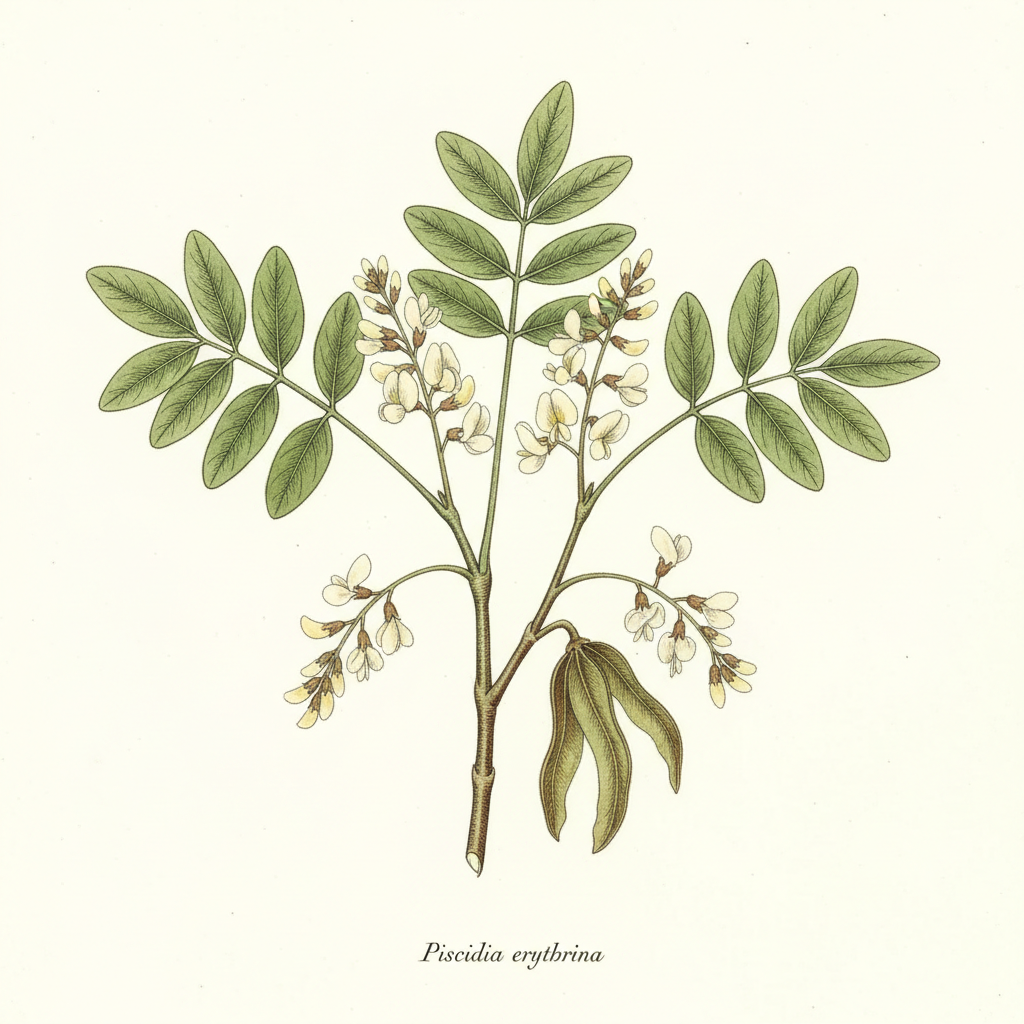
Jamacian dogwood.

Jamacian dogwood.

Piscidia erythrina

Nerve relaxation
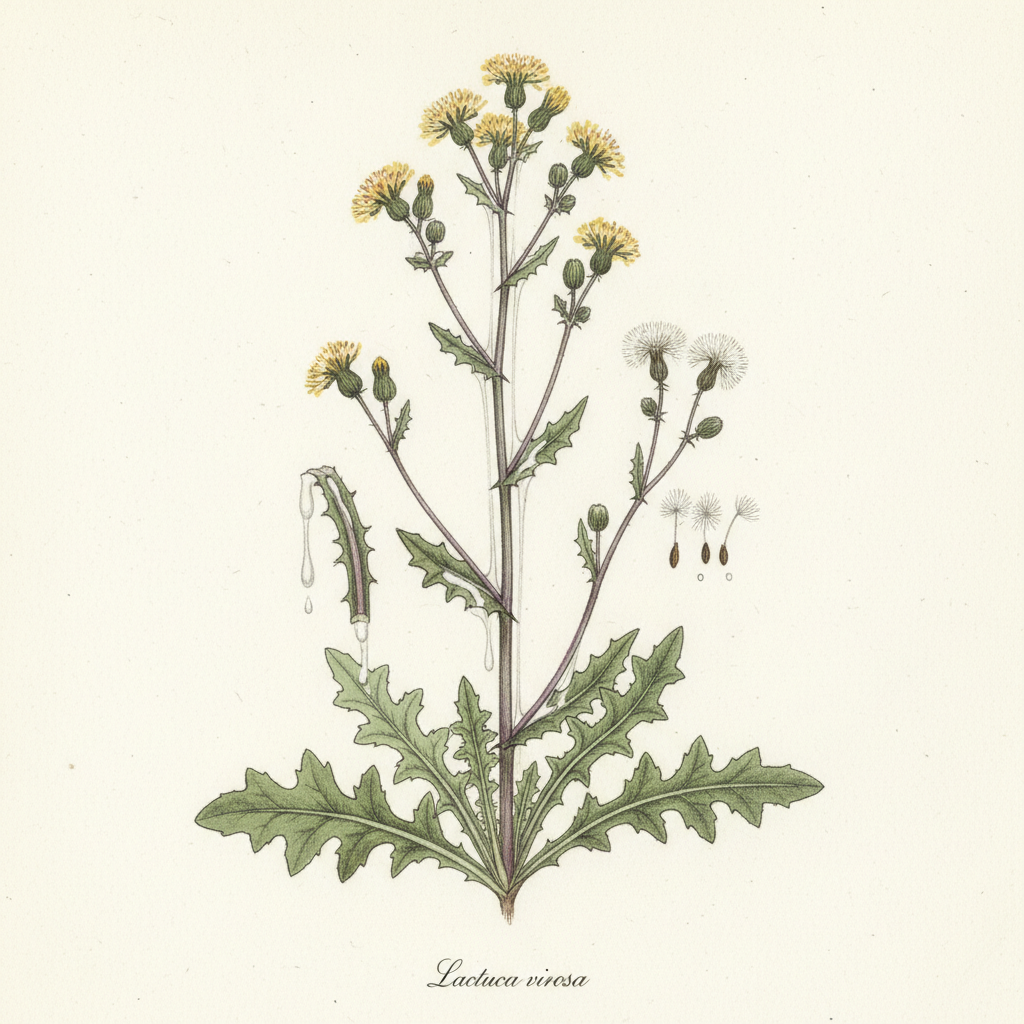
Wild Lettuce

Wild Lettuce

Lactuca virosa

Emotional Well-being
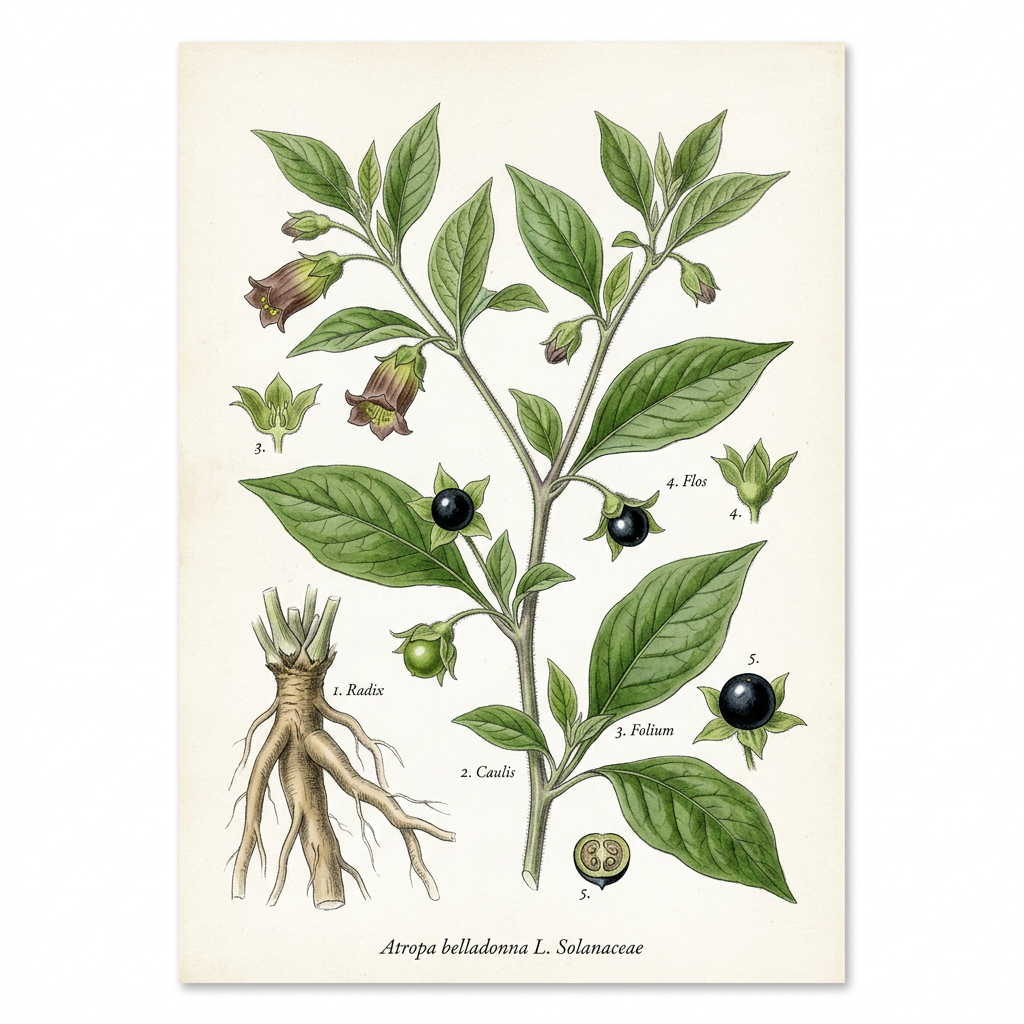
Deadly Nightshade

Deadly Nightshade

Atropa belladonna

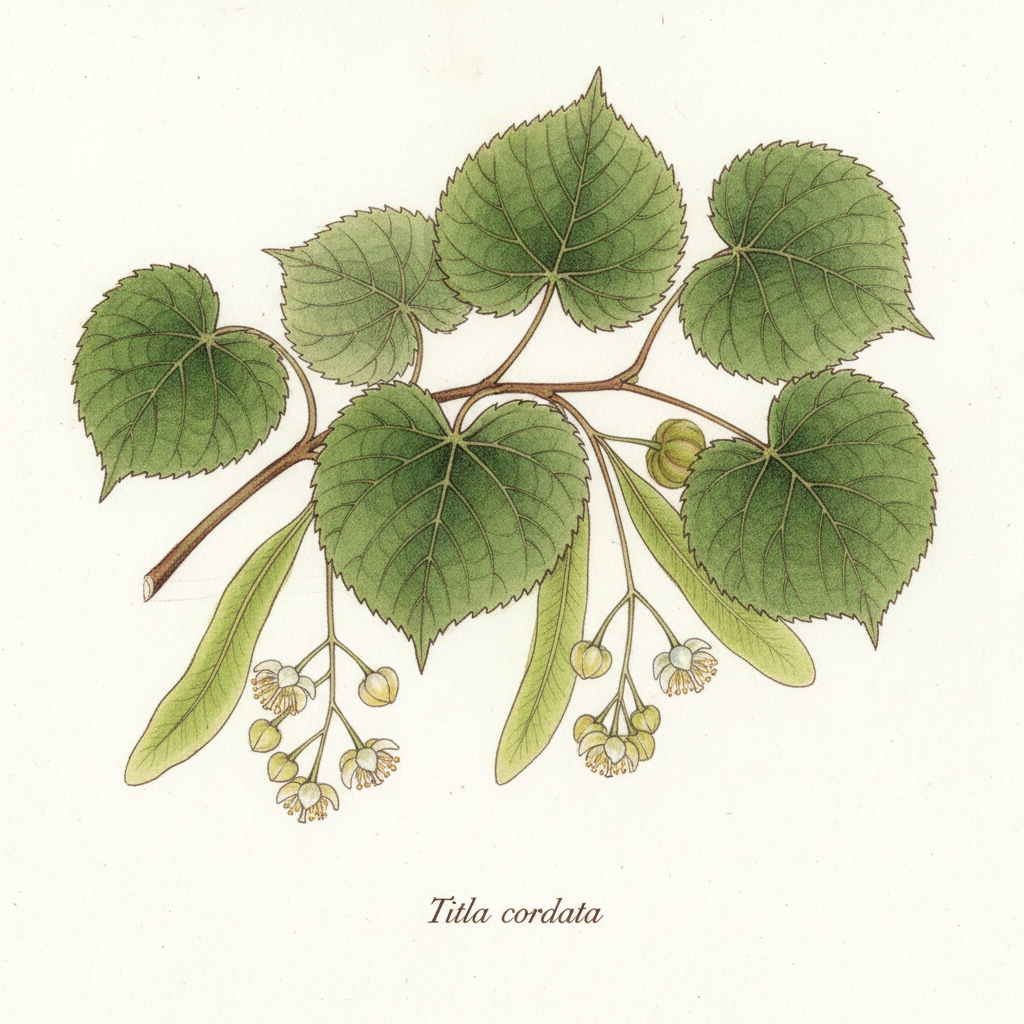
Tilia

Tilia

Tilia cordata

Stress relief