The Wild Sage logo
The Wild Sage Logo

Herbal Medicine at your fingertips

Comprehensive database of herbal remedies with detailed safety information and traditional uses

New to herbal terms? Read the glossary →
ADHD
Abcess
Acid Reflux Relief
Acinetobacter
Acne
Acne Vulgaris
Addisons
Adenomyosis
Adenovirus
Adrenal fatigue
Aging
Aids
Alcaligenes faecalis
Alcoholism
Allergic Rhinitis
Allergies
Allergy
Alopoecia
Alopoecia nervosa
Alzheimer's, Dementia & Cognitive Decline
420 herbs found
Important: This information is for educational purposes only. Always consult with qualified healthcare professionals before using herbal remedies, especially if you have existing health conditions or take medications.
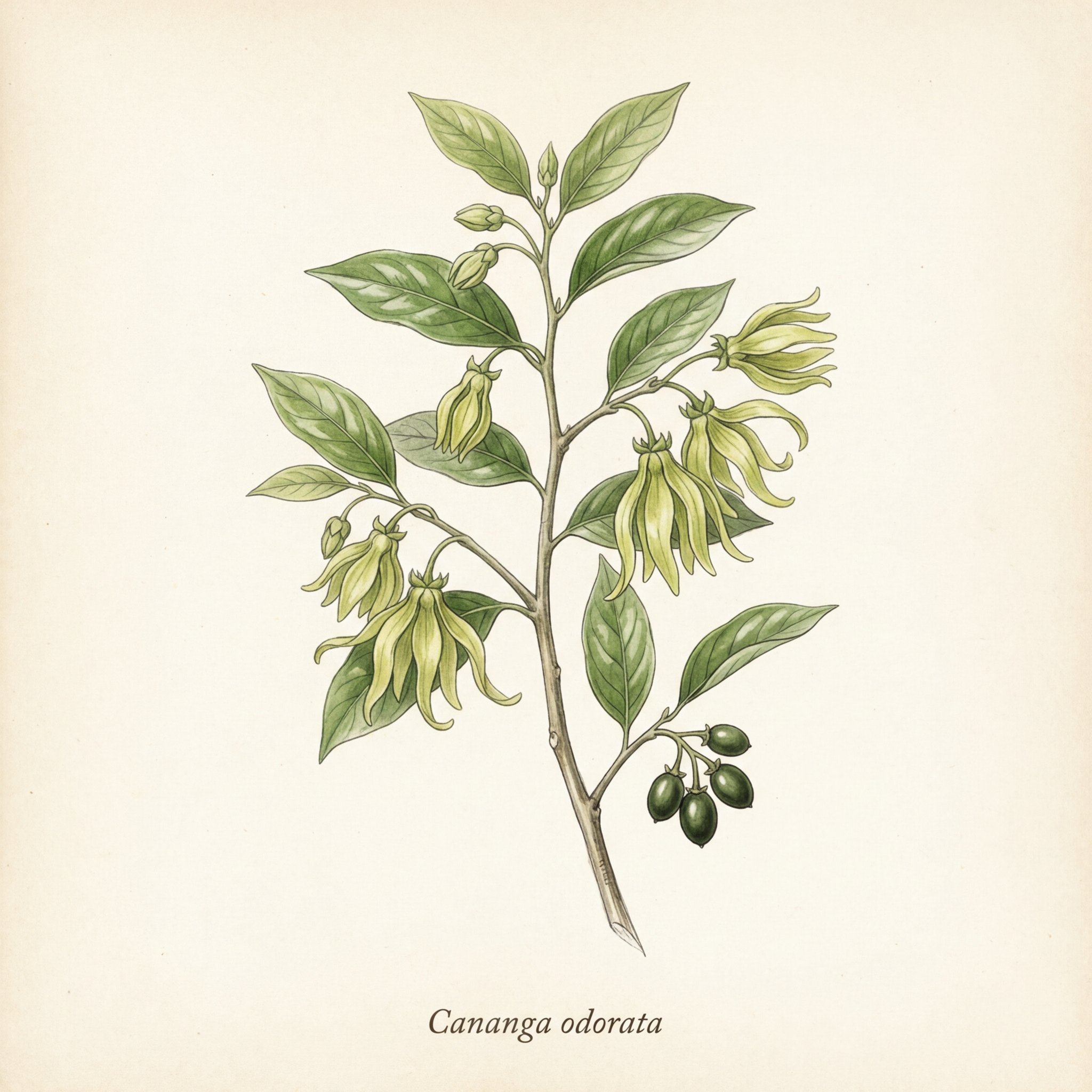
Ylang ylang

Ylang ylang

Cananga odorata

low risk Risk
Annonaceae
<p>Ylang ylang, a tropical tree indigenous to Southeast Asia, is renowned for its fragrant yellow flowers, which capture the essence of tropical beauty and are integral to traditional practices in various cultures. Historically, the flowers of Cananga odorata have been utilized in rituals and ceremonies, particularly in regions such as Indonesia and the Philippines, where they are often woven into bridal bouquets and used in offerings. Renowned as a perfume ingredient, the essential oil derived from ylang ylang has been celebrated since the 19th century for its sweet, floral aroma. The oil plays a significant role in aromatherapy, promoting relaxation and emotional well-being, while also being featured in traditional medicine systems to address various physical ailments. Ylang ylang is distinguished for its multifaceted therapeutic properties. Primarily recognized for its calming effects, it is regarded as a natural remedy for anxiety and stress relief, fostering a sense of tranquility and mental clarity. Moreover, research has highlighted its potential in promoting hormonal balance, making it valuable for individuals experiencing menstrual irregularities or menopause-related symptoms. As a COX-2 inhibitor and an NF-kB inhibitor, ylang ylang exhibits anti-inflammatory properties, suggesting its utility in managing conditions associated with inflammation. Additionally, through its enhancement of GABA receptor activity, ylang ylang may support improved sleep quality and relaxation, further contributing to overall mental health. The mechanisms through which ylang ylang exerts its effects are complex and involve a combination of its chemical constituents. The essential oil contains a rich profile of monoterpenes and sesquiterpenes that can modulate neurotransmitter activity, particularly by promoting GABA's inhibitory action within the central nervous system. This not only produces a calming effect but also helps to harmonize hormonal fluctuations, thereby enhancing emotional stability. The unique composition of ylang ylang interacts with various biological pathways, making it a compelling herb for both physical and emotional wellness. Whether diffused in the air, applied in aromatherapy, or integrated into wellness routines, ylang ylang continues to captivate those seeking natural approaches to health.</p>

Uses & Conditions

Aromatherapy
Mental Clarity
Relaxation
Emotional Well-being
Anxiety
Stress
Hormone Imbalance
Menstrual Irregularities
Menopause Symptoms
Depression
Libido

Actions

Anxiolytic
Hormonal Balancer
COX-2 Inhibitor
NF-kB Inhibitor
GABA Receptor Enhancer

Parts Used

Flowers
Essential oil extracted from the flowers

Native Countries

Philippines
Indonesia
Malaysia
Thailand
India

USDA Hardiness Zones

10
11

Contraindications

  • Pregnancy: avoid essential oil usage due to lack of safety data regarding uterine stimulants
  • Breastfeeding: avoid therapeutic use due to insufficient evidence of safety for the infant
  • Hypotension: use with caution as the essential oil may lower blood pressure
  • Sensitive skin: potential for dermal irritation if undiluted

Potential Side Effects

  • Dermal irritation or contact dermatitis
  • Headache or nausea if used in excessive concentrations via inhalation
  • Dizziness resulting from blood pressure reduction

Interactions

  • Sedative medications: may potentiate the effects of benzodiazepines, barbiturates, or CNS depressants
  • Antihypertensive drugs: may have an additive effect, potentially leading to hypotension

Dosages, tincture ratios & research — members only

Unlock Garreth's dosing guidance, tincture ratios, the dosage calculator and the research studies for Ylang ylang.

Your assessment and results stay saved — upgrading only unlocks more of them.

See membership plans

Community Photos

No community photos yet. Sign in to upload photos.

Reviews & Ratings

Sign in to leave a review.

No reviews yet. Be the first!

GF

Garreth Falls — B.Th., Dip. H.M., MNIMH

Content curated and reviewed by Garreth Falls, Consultant Medical Herbalist · The Wild Sage

Medical Disclaimer: This information is for educational purposes only and is not intended as medical advice. Always consult with qualified healthcare professionals before starting any herbal treatment.
Western tradition

Sustainability & quality

Cultivated

Widely farmed in tropics; prefer producers that implement fair labour and regenerative agricultural practices.

Key constituents

Essential oil, Benzoic acid, Farnesol, Methyl Antranilate

References

  1. Herbal Reality. Herb monographs. herbalreality.com

Reviewed by Garreth, Medical Herbalist (MNIMH) · November 2026

Related conditions

Explore conditions where Ylang ylang is traditionally used.

Related Herbs
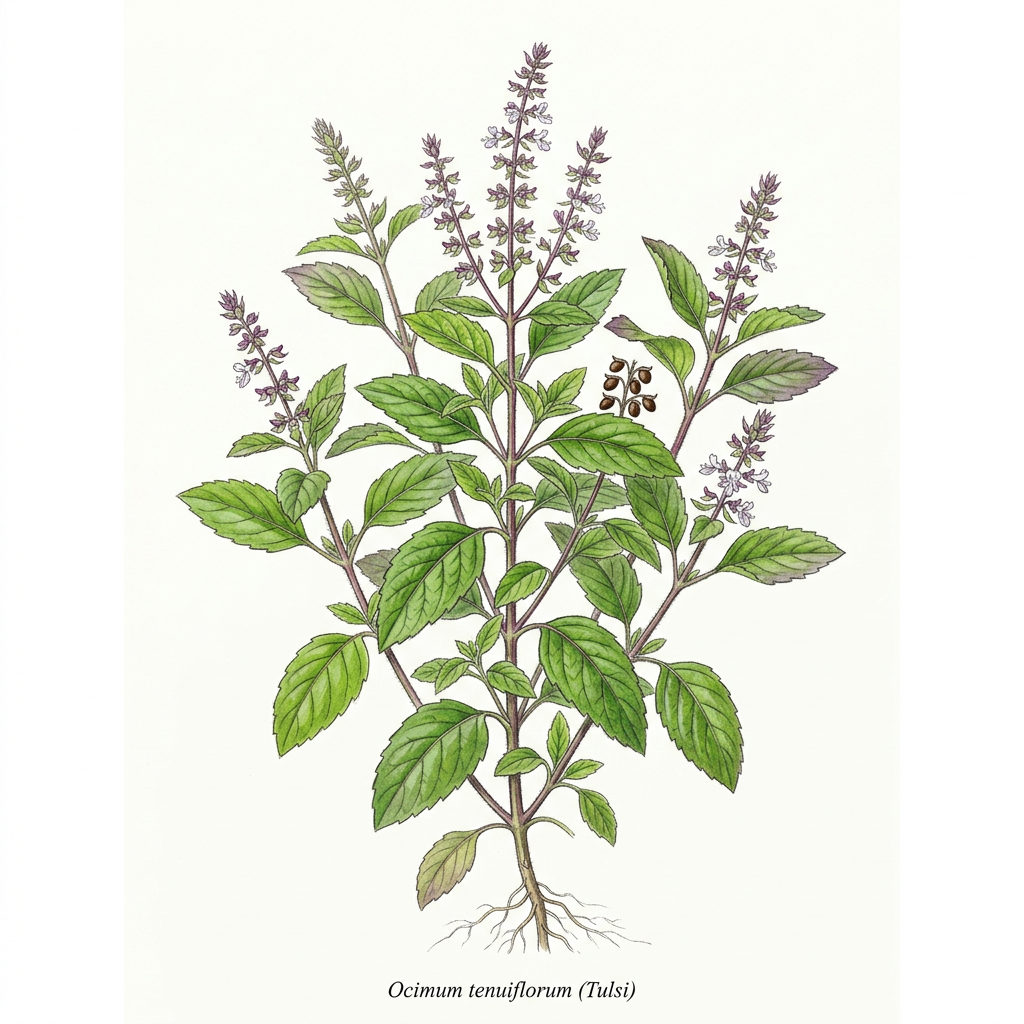
Holy Basil (Tulsi)

Holy Basil (Tulsi)

Ocimum tenuiflorum
Adaptogen
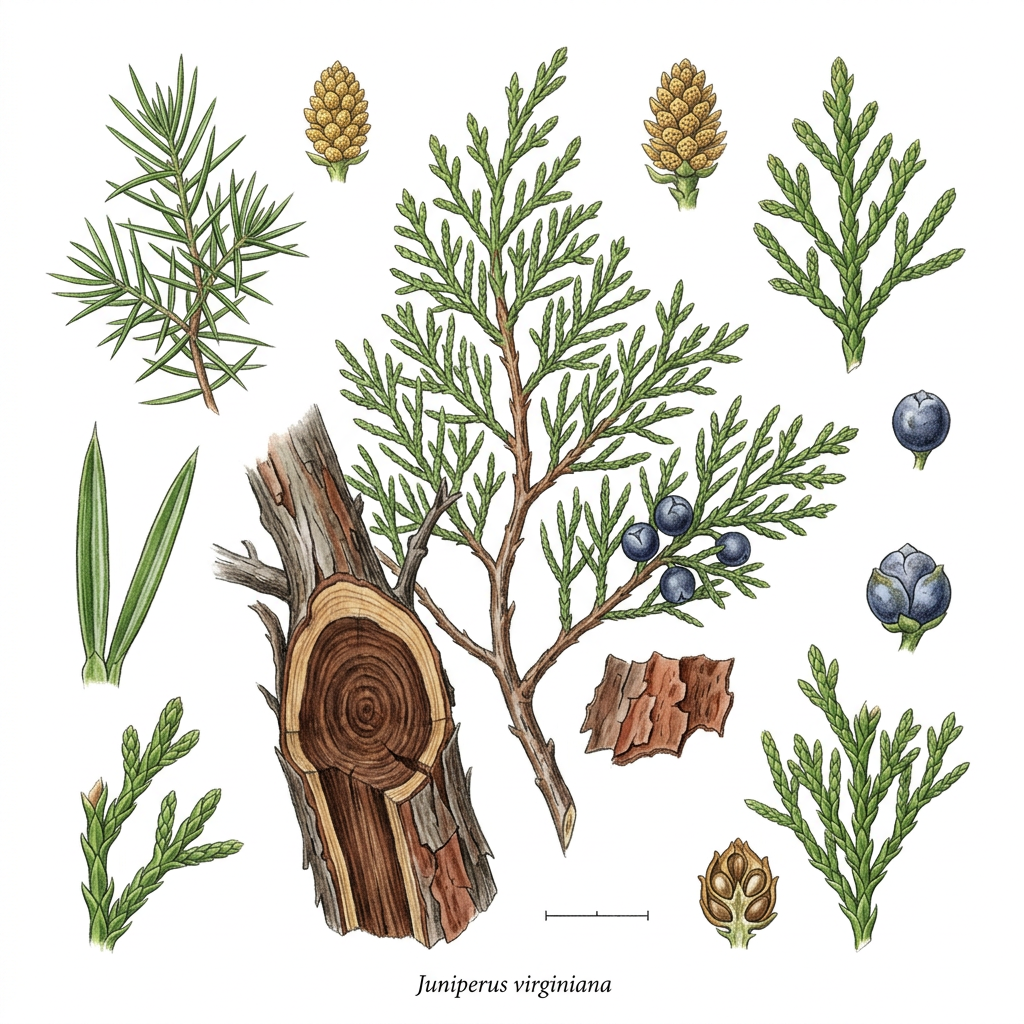
Cedarwood

Cedarwood

Cedrus spp.

Spiritual Protection
Indian Snakeroot

Indian Snakeroot

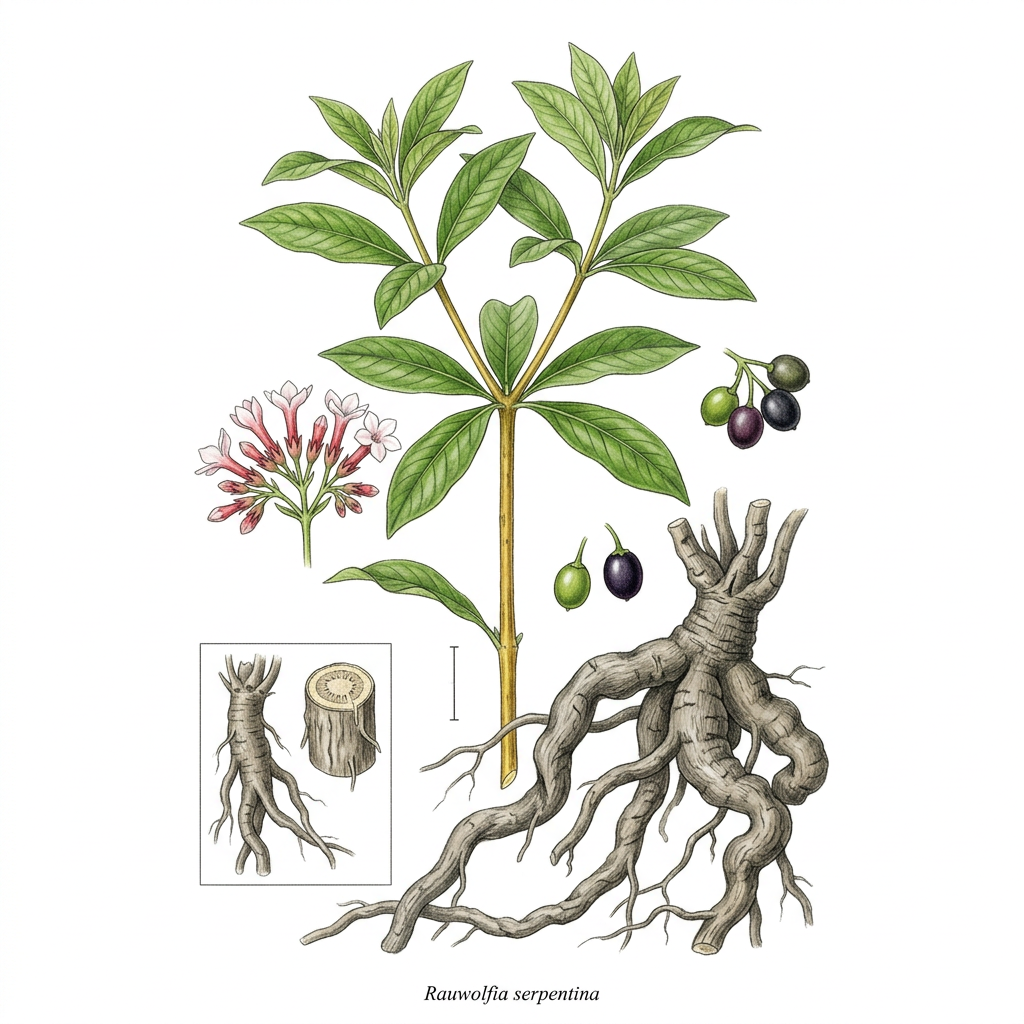
Rauwolfia serpentina
Mental clarity
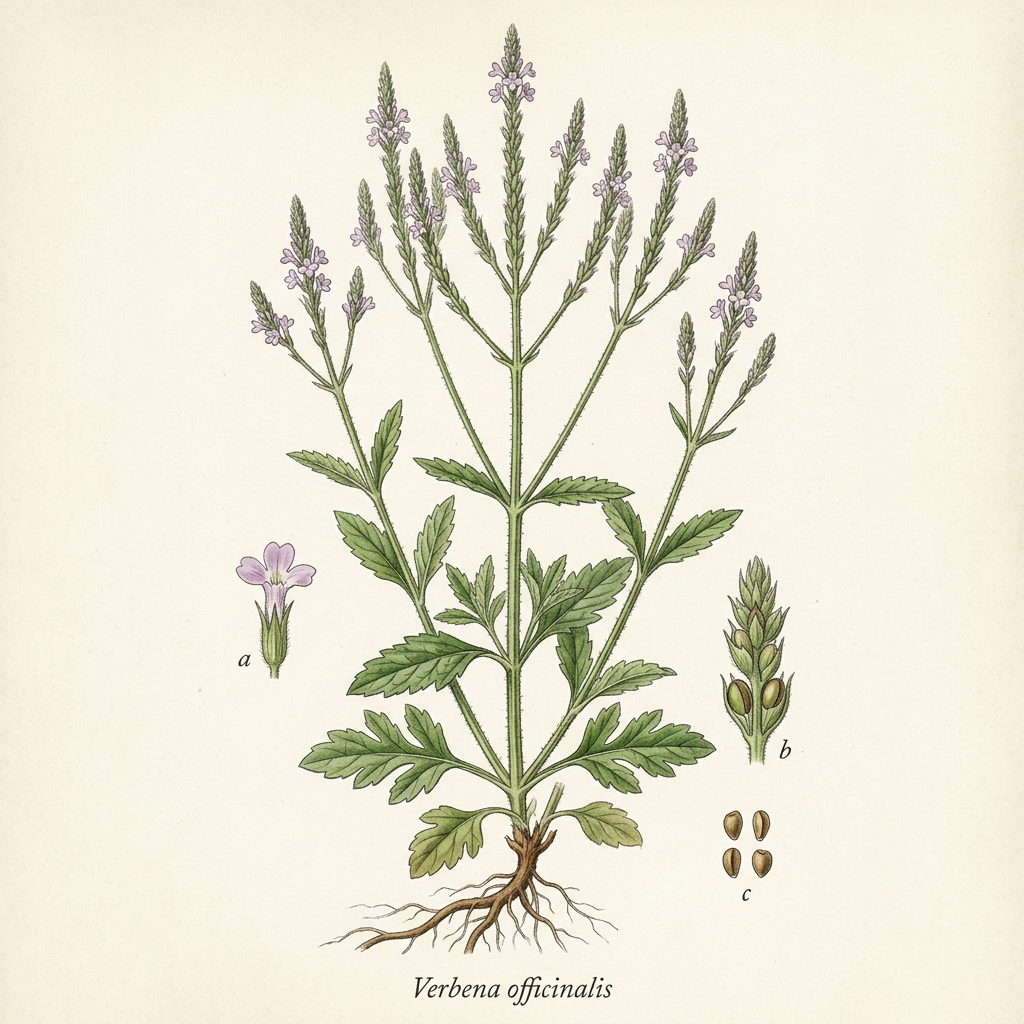
Vervain

Vervain

Verbena officinalis

Calming