The Wild Sage logo
The Wild Sage Logo

Herbal Medicine at your fingertips

Comprehensive database of herbal remedies with detailed safety information and traditional uses

New to herbal terms? Read the glossary →
ADHD
Abcess
Acid Reflux Relief
Acinetobacter
Acne
Acne Vulgaris
Addisons
Adenomyosis
Adenovirus
Adrenal fatigue
Aging
Aids
Alcaligenes faecalis
Alcoholism
Allergic Rhinitis
Allergies
Allergy
Alopoecia
Alopoecia nervosa
Alzheimer's, Dementia & Cognitive Decline
420 herbs found
Important: This information is for educational purposes only. Always consult with qualified healthcare professionals before using herbal remedies, especially if you have existing health conditions or take medications.
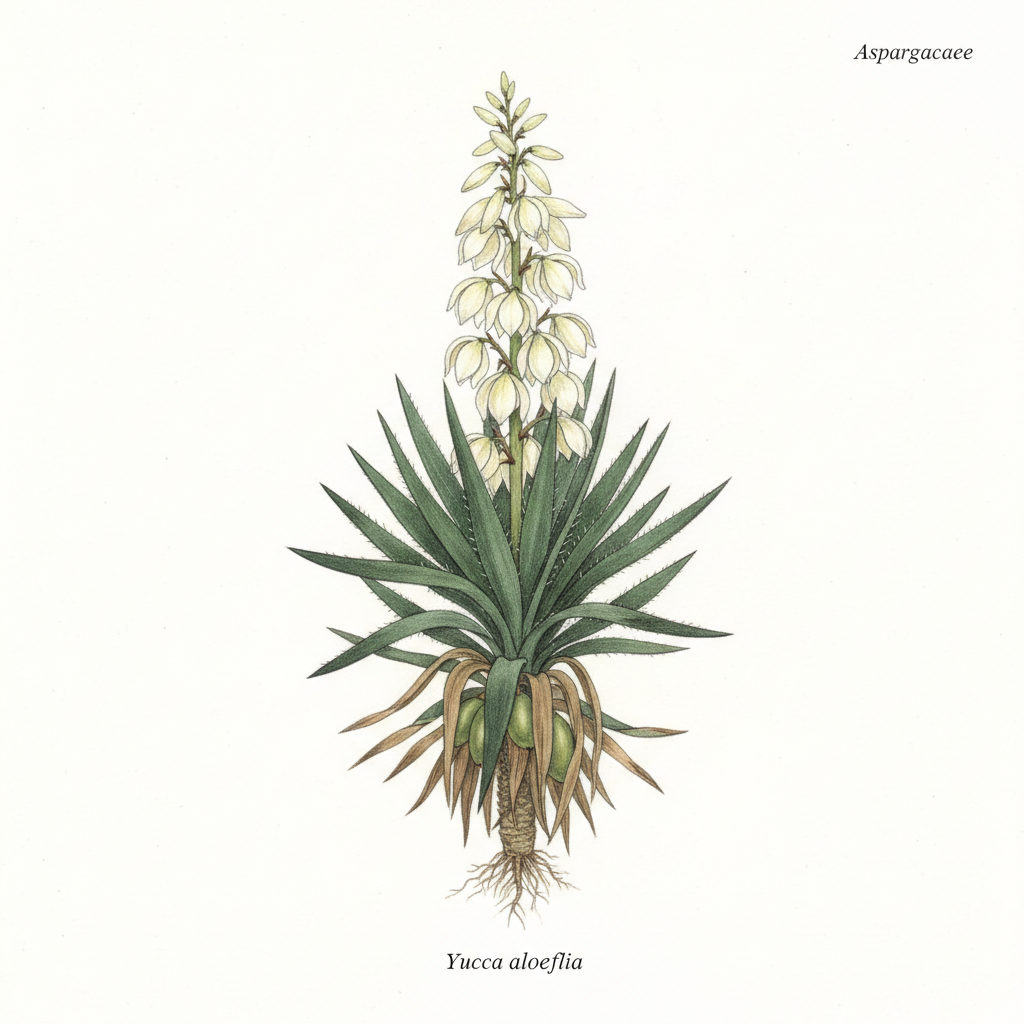
Yucca aloifolia

Yucca aloifolia

Yucca aloifolia

low risk Risk
Asparagaceae
Dry and slightly warming, supports digestion and reduces inflammation.
<p>Yucca aloifolia, commonly known as Spanish bayonet, is a succulent, evergreen shrub belonging to the Asparagaceae family. It is characterised by its stiff, sword-shaped leaves with sharply pointed apices and its architectural clusters of large, creamy-white bell-shaped flowers. Native to the coastal regions of the southern United States and the Caribbean, it thrives in sandy, well-draining soils and is highly resilient to salt spray and drought conditions.</p><p>Historically, various species of Yucca have been utilised by indigenous populations across North America for both culinary and therapeutic purposes. Traditionally used for supporting joint health and managing inflammatory symptoms, the roots were often prepared as decoctions or used as a soap substitute. The plant carries a long history of use within folk medicine traditions, particularly in the treatment of chronic skin conditions and musculoskeletal discomfort where cleansing or 'alterative' properties were sought.</p><p>Modern herbal practice acknowledges the saponin content of the roots, which contributes to its use in supporting digestive function and as a traditional adjunct for minor aches and pains. While there is limited clinical trial data specifically on Yucca aloifolia, research into other species in the genus suggests that the steroidal saponins may exert an anti-inflammatory effect. In clinical practice, it is primarily employed as a supportive herb for metabolic health and chronic inflammatory conditions of the joints, often combined with other herbs that nourish the synovial tissues.</p>

Uses & Conditions

Digestive aid
Symptom improvement
Osteoarthritis
Dyspepsia
Inflammatory conditions
Joint pain
Chronic inflammation
Gastrointestinal discomfort
Indigestion
Menorrhagia
Benign enlarged prostate

Actions

Anti-inflammatory
NFkB inhibitor
TNF-a reduction

Parts Used

Root
Rhizome

Native Countries

United States
Mexico
Guatemala
El Salvador

USDA Hardiness Zones

8
9
10

Contraindications

  • Pregnancy: avoid due to potential uterine stimulating properties
  • Breastfeeding: lack of safety data precludes recommendation
  • History of gastrointestinal obstruction: high saponin content may cause irritation
  • Severe kidney or liver impairment: consult a medical practitioner prior to use

Potential Side Effects

  • Mild gastrointestinal distress such as nausea or abdominal cramping if taken in excess
  • Contact dermatitis on sensitive skin when handling the raw plant material due to sharp spines and sap
  • Potential for minor loose stools

Interactions

  • Use caution with prescription medicines due to potential for altered absorption
  • Anticoagulant interaction potential

Dosages, tincture ratios & research — members only

Unlock Garreth's dosing guidance, tincture ratios, the dosage calculator and the research studies for Yucca aloifolia.

Your assessment and results stay saved — upgrading only unlocks more of them.

See membership plans

Community Photos

No community photos yet. Sign in to upload photos.

Reviews & Ratings

Sign in to leave a review.

No reviews yet. Be the first!

GF

Garreth Falls — B.Th., Dip. H.M., MNIMH

Content curated and reviewed by Garreth Falls, Consultant Medical Herbalist · The Wild Sage

Medical Disclaimer: This information is for educational purposes only and is not intended as medical advice. Always consult with qualified healthcare professionals before starting any herbal treatment.
Western tradition

Sustainability & quality

Abundant

Often treated as an ornamental or invasive plant in certain regions. Sourcing should be through controlled horticultural channels.

Key constituents

Steroidal saponins (specifically sarsasapogenin and smilagenin derivatives), Resins, Phenolic compounds, Polysaccharides, Phytosterols

References

  1. Herbal Reality. Herb monographs. herbalreality.com

Reviewed by Garreth, Medical Herbalist (MNIMH) · November 2026

Related conditions

Explore conditions where Yucca aloifolia is traditionally used.

Related Herbs
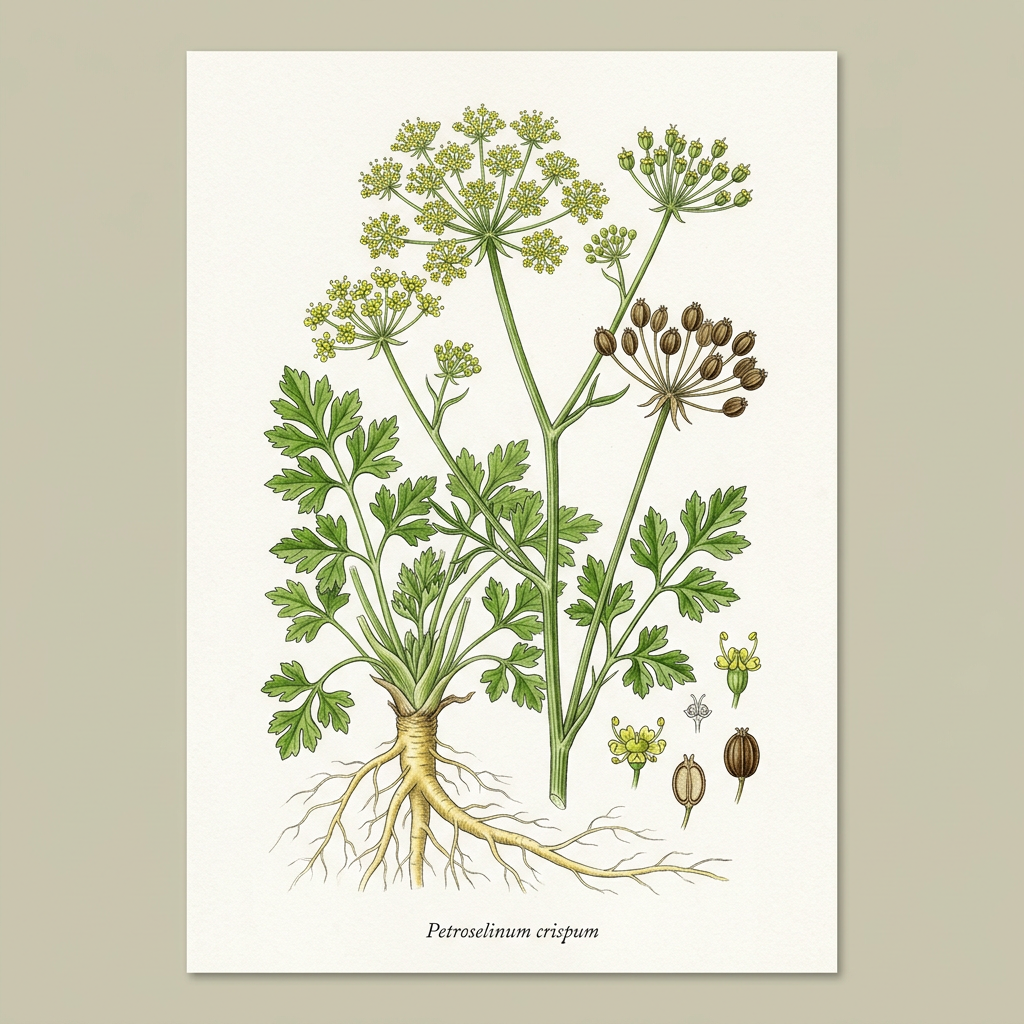
Parsley

Parsley

Petroselinum crispum

Digestive Aid
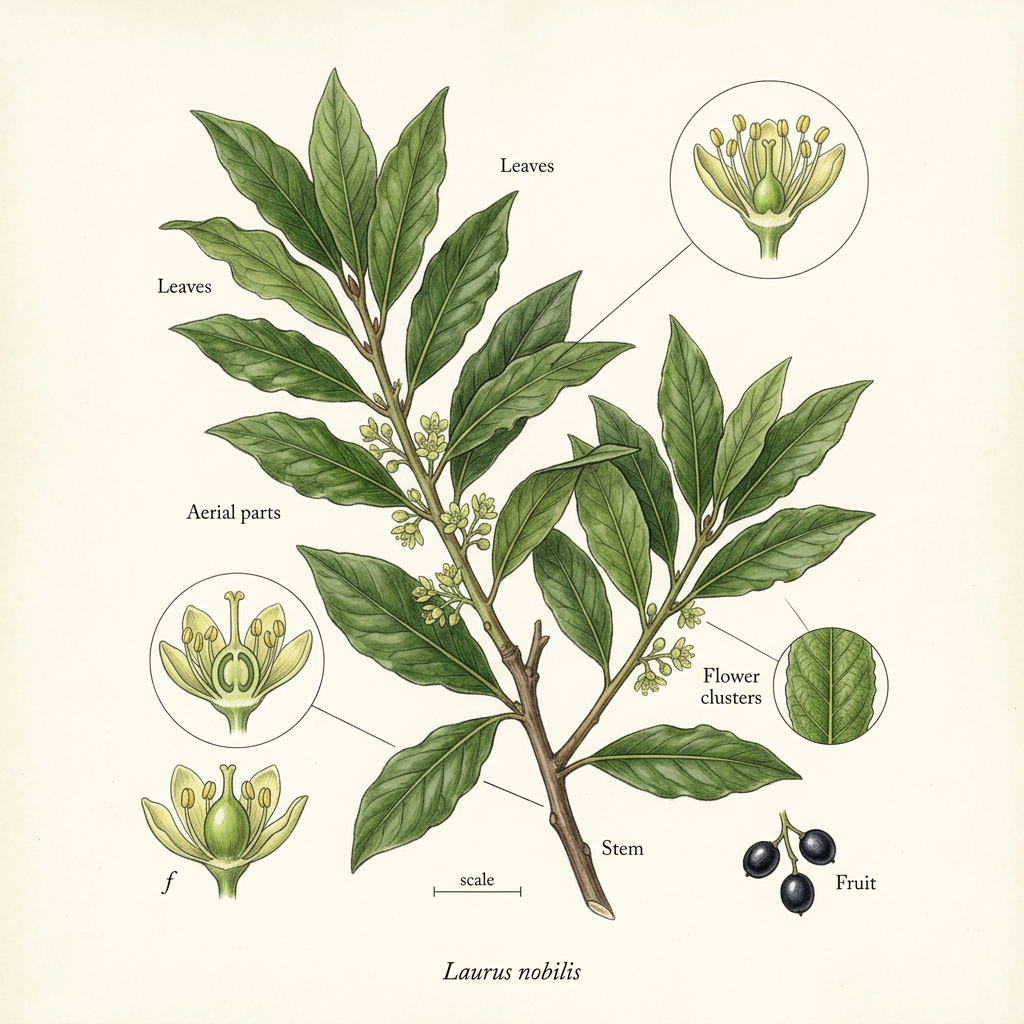
Bay Laurel

Bay Laurel

Laurus nobilis

Digestive Aid
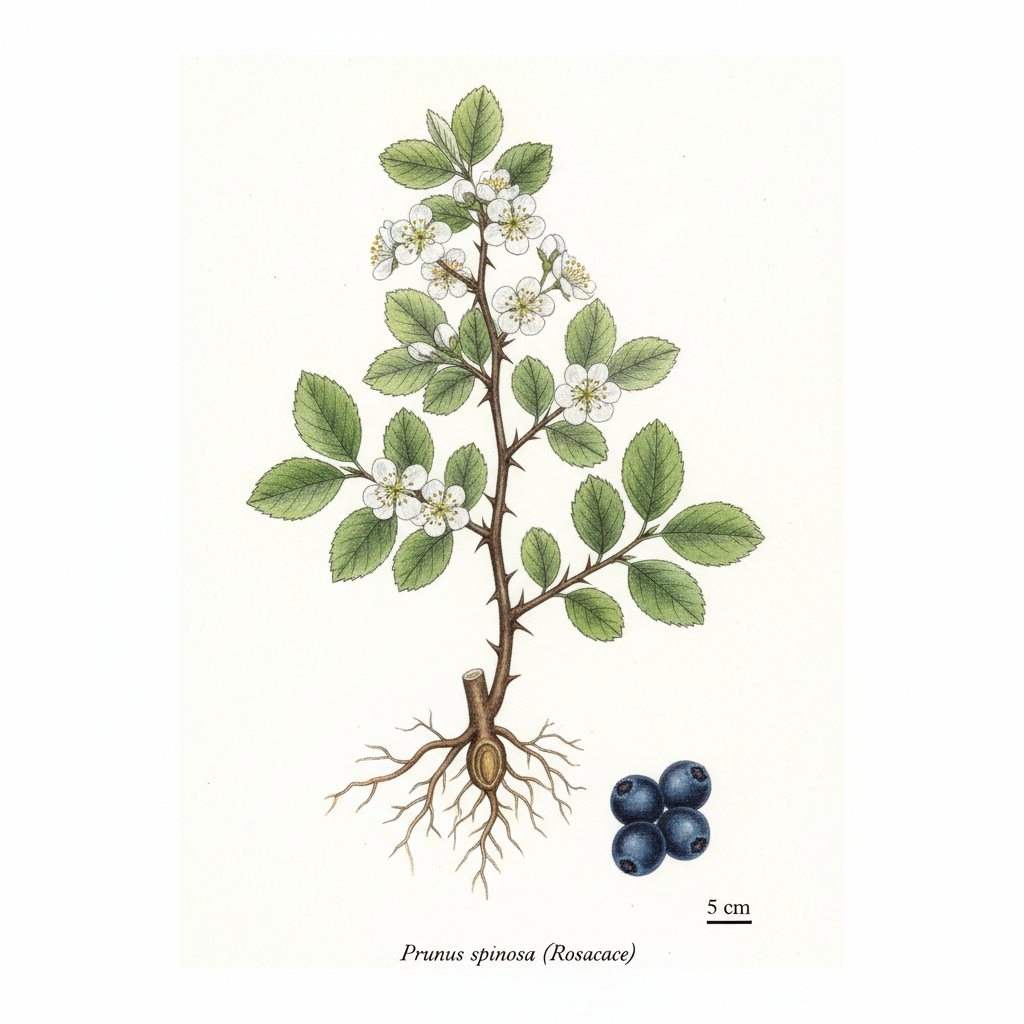
Blackthorn

Blackthorn

Prunus spinosa

Digestive health
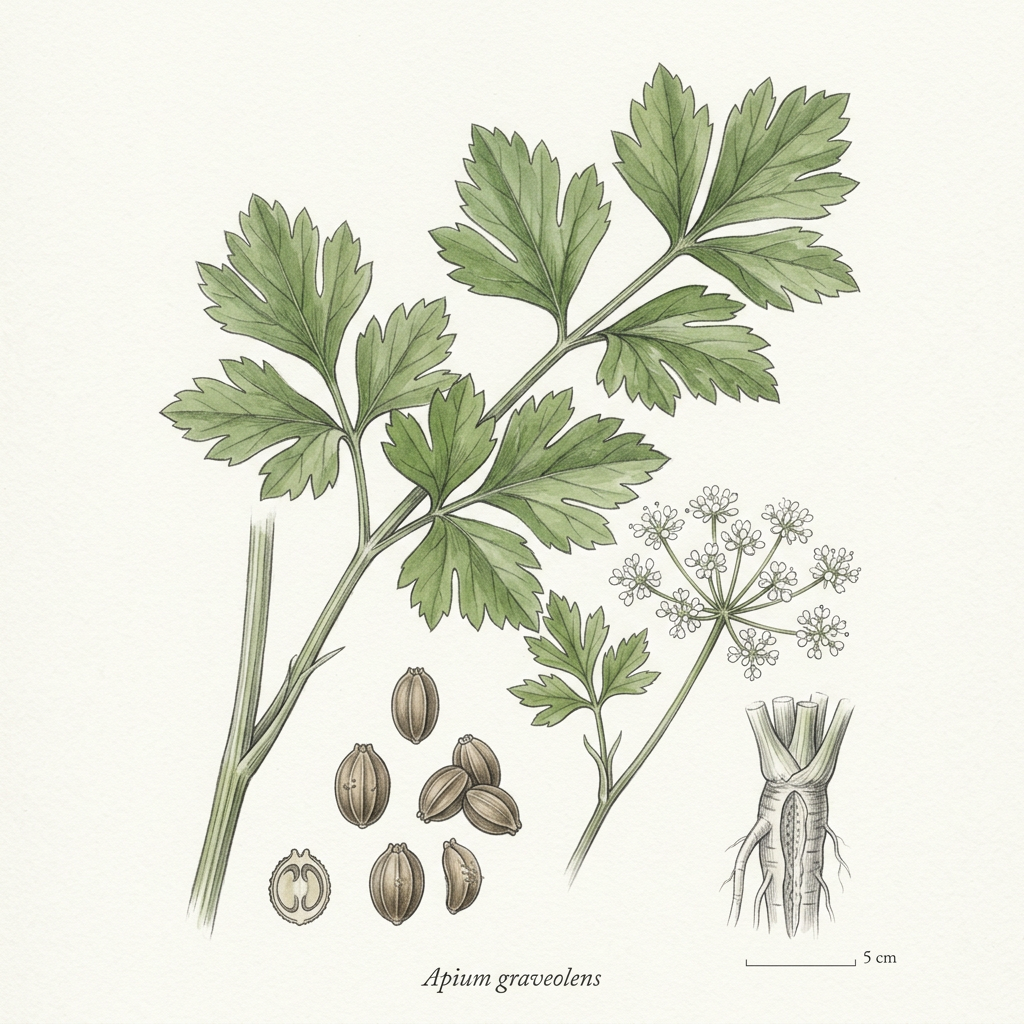
Celery Seed

Celery Seed

Apium graveolens

Digestive Aid