The Wild Sage logo
The Wild Sage Logo

Herbal Medicine at your fingertips

Comprehensive database of herbal remedies with detailed safety information and traditional uses

New to herbal terms? Read the glossary →
ADHD
Abcess
Acid Reflux Relief
Acinetobacter
Acne
Acne Vulgaris
Addisons
Adenomyosis
Adenovirus
Adrenal fatigue
Aging
Aids
Alcaligenes faecalis
Alcoholism
Allergic Rhinitis
Allergies
Allergy
Alopoecia
Alopoecia nervosa
Alzheimer's, Dementia & Cognitive Decline
420 herbs found
Important: This information is for educational purposes only. Always consult with qualified healthcare professionals before using herbal remedies, especially if you have existing health conditions or take medications.
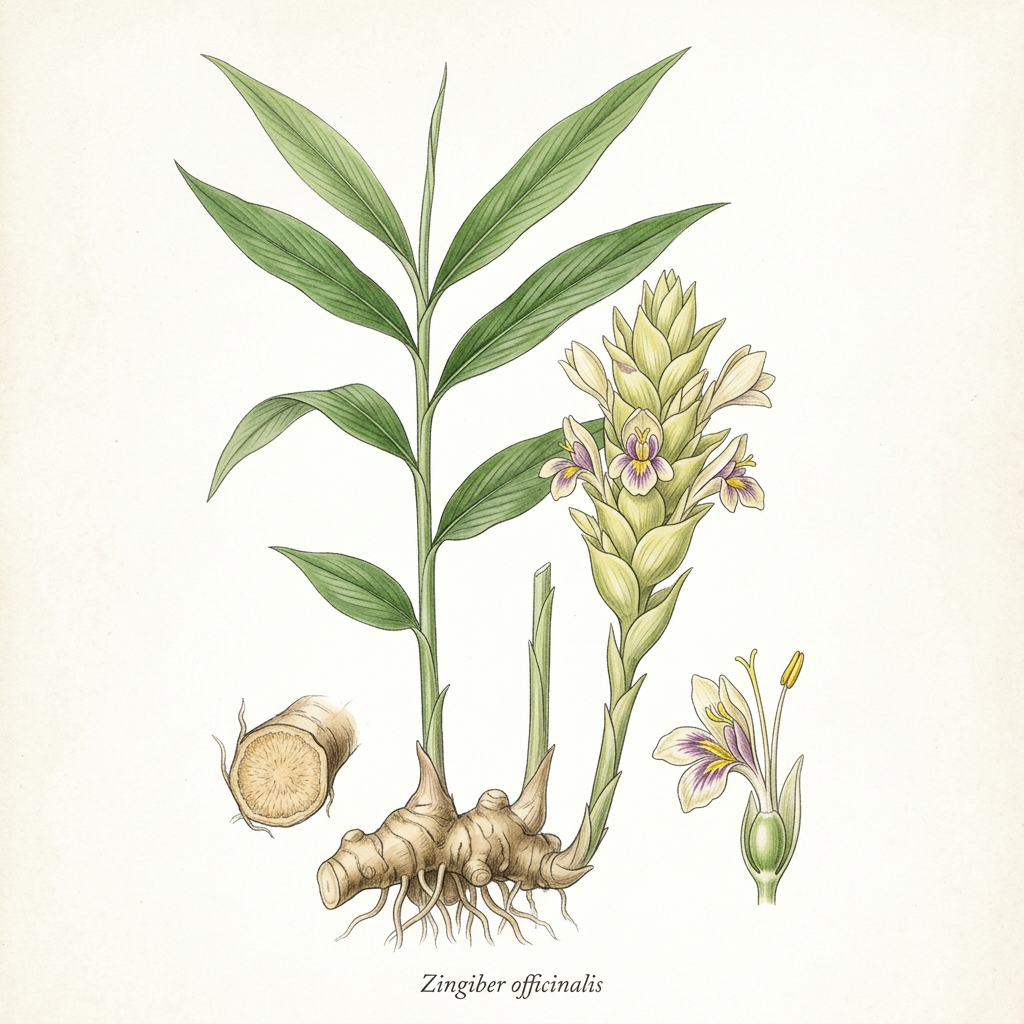
Zingiber officinalis

Zingiber officinalis

Zingiber officinale

low risk Risk
Zingiberaceae
it is believed to uplift mood and provide energy.
<p>Zingiber officinale is a perennial rhizomatous herb in the Zingiberaceae family, characterised by its thick, branched, aromatic underground stem. It produces upright, reed-like shoots that reach up to a metre in height, featuring narrow, lanceolate leaves and spikes of yellow-green flowers with purple lips. The plant is native to South-East Asia and is widely cultivated in tropical regions across the globe for its pungent, warming rhizome. Traditionally, ginger has been a staple in both culinary and medicinal systems, including Ayurveda and Traditional Chinese Medicine, where it is highly regarded as a carminative and digestive stimulant used to resolve dampness and 'cold' patterns in the body. Historically, it was a primary remedy for travelling sickness, dyspepsia, and as a warming agent to encourage peripheral circulation. In modern herbal practice, research has supported its use as an anti-emetic, particularly for nausea related to pregnancy and motion sickness. Its pharmacological actions are attributed to its warming properties which stimulate gastrointestinal motility and decrease spasmodic activity. Clinically, it is frequently employed in my practice to support weakened digestion, particularly where bloating and flatulence are present, and to aid peripheral circulation in patients experiencing cold extremities.</p>

Uses & Conditions

Warming
Immune Support
Pyuria
Gastroparesis
Travel Sickness
Uterine Prolapse
Poor Circulation
Endotoxins
Ulcerative Colitis
Nausea
H. Pylori
IBS
Endometriosis
Dysmenorrhoea
Deep Vein Thrombosis
Enterococcus
E. Coli
Crohn’s
Carpal Tunnel
Bronchiectasis
Campylobacter Jejuni
Chilblains
Bloating
Aspergillus
Angina
Anisakis Simplex
Buerger’s Disease
Alzheimer’s
Acinetobacter
Amenorrhoea
Morning Sickness

Actions

Anti-inflammatory
Digestive Aid
Hepatic
Warming
NFkB Inhibitor
TNF-a Reduction
Choleretic
Anxiolytic

Parts Used

Rhizome

Native Countries

India
China
Indonesia
Thailand
Jamaica

USDA Hardiness Zones

8
9
10

Contraindications

  • Gallstones: may stimulate bile flow and should be used with caution by those with known gallbladder obstruction.
  • Pregnancy: high therapeutic doses should be avoided without professional guidance.
  • Pre-surgery: use should be discontinued two weeks prior to elective surgery due to potential influence on platelet function.
  • Bleeding disorders: individuals with diagnosed clotting deficiencies should seek medical advice.

Potential Side Effects

  • Heartburn or gastro-oesophageal reflux in sensitive individuals.
  • Mild gastrointestinal irritation or abdominal discomfort if taken on an empty stomach.

Interactions

  • Anticoagulants and antiplatelet drugs: theoretically may increase the risk of bleeding.
  • Antidiabetic medications: may have a mild hypoglycaemic effect and theoretically enhance the effect of blood sugar-lowering drugs.
  • Hypertensive medication: may potentiate the effect of calcium channel blockers in some instances.

Dosages, tincture ratios & research — members only

Unlock Garreth's dosing guidance, tincture ratios, the dosage calculator and the research studies for Zingiber officinalis.

Your assessment and results stay saved — upgrading only unlocks more of them.

See membership plans

Community Photos

No community photos yet. Sign in to upload photos.

Reviews & Ratings

Sign in to leave a review.

No reviews yet. Be the first!

GF

Garreth Falls — B.Th., Dip. H.M., MNIMH

Content curated and reviewed by Garreth Falls, Consultant Medical Herbalist · The Wild Sage

Medical Disclaimer: This information is for educational purposes only and is not intended as medical advice. Always consult with qualified healthcare professionals before starting any herbal treatment.
Western tradition
Ayurvedic tradition
Chinese tradition

Sustainability & quality

Cultivated

Abundantly farmed globally; always opt for organic sources to ensure absence of heavy metals and pesticides.

Key constituents

Gingerols, Shogaols, Zingerone, Essential oils (including zingiberene and bisabolene), Sesquiterpenes, Phenolic compounds

References

  1. Bone & Mills "Principles and Practice of Phytotherapy" 2nd ed. 2013
  2. Bensky "Chinese Herbal Medicine: Materia Medica" 3rd ed. 2004
  3. Pole "Ayurvedic Medicine" 2006
  4. Herbal Reality. Herb monographs. herbalreality.com

Reviewed by Garreth, Medical Herbalist (MNIMH) · November 2026

Related conditions

Explore conditions where Zingiber officinalis is traditionally used.

Related Herbs
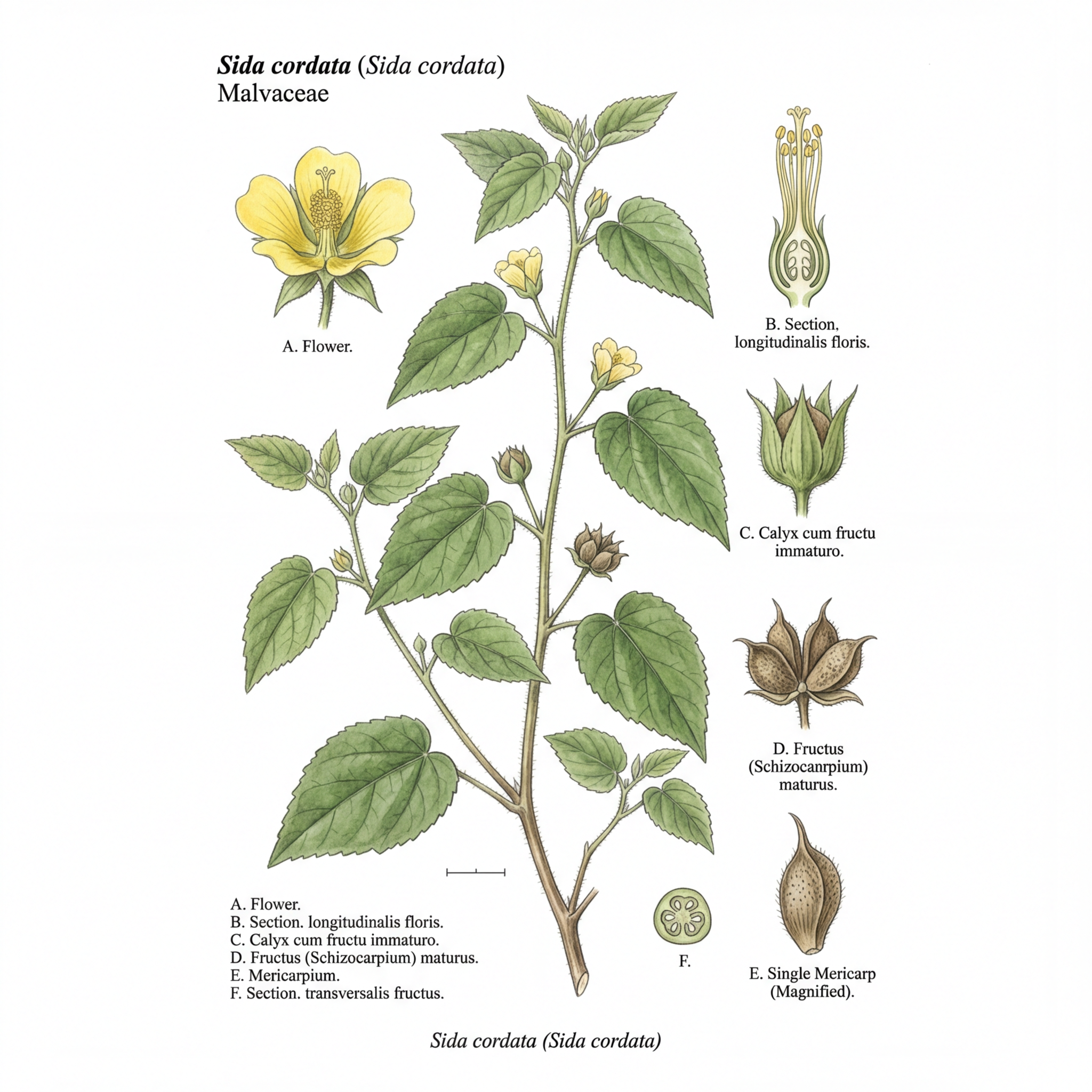
Sida cordata

Sida cordata
Sida cordata

Immune Support
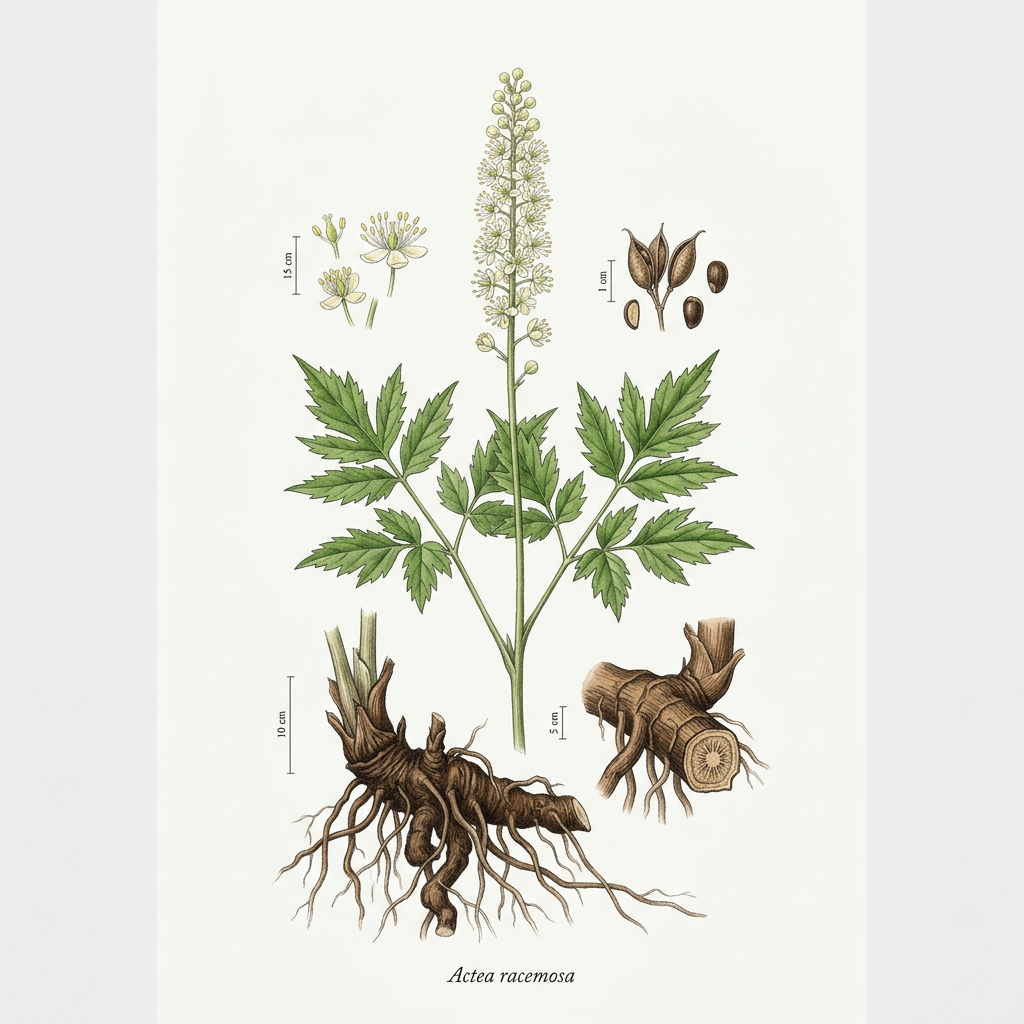
Black Cohosh

Black Cohosh

Actaea racemosa

Hormonal Support
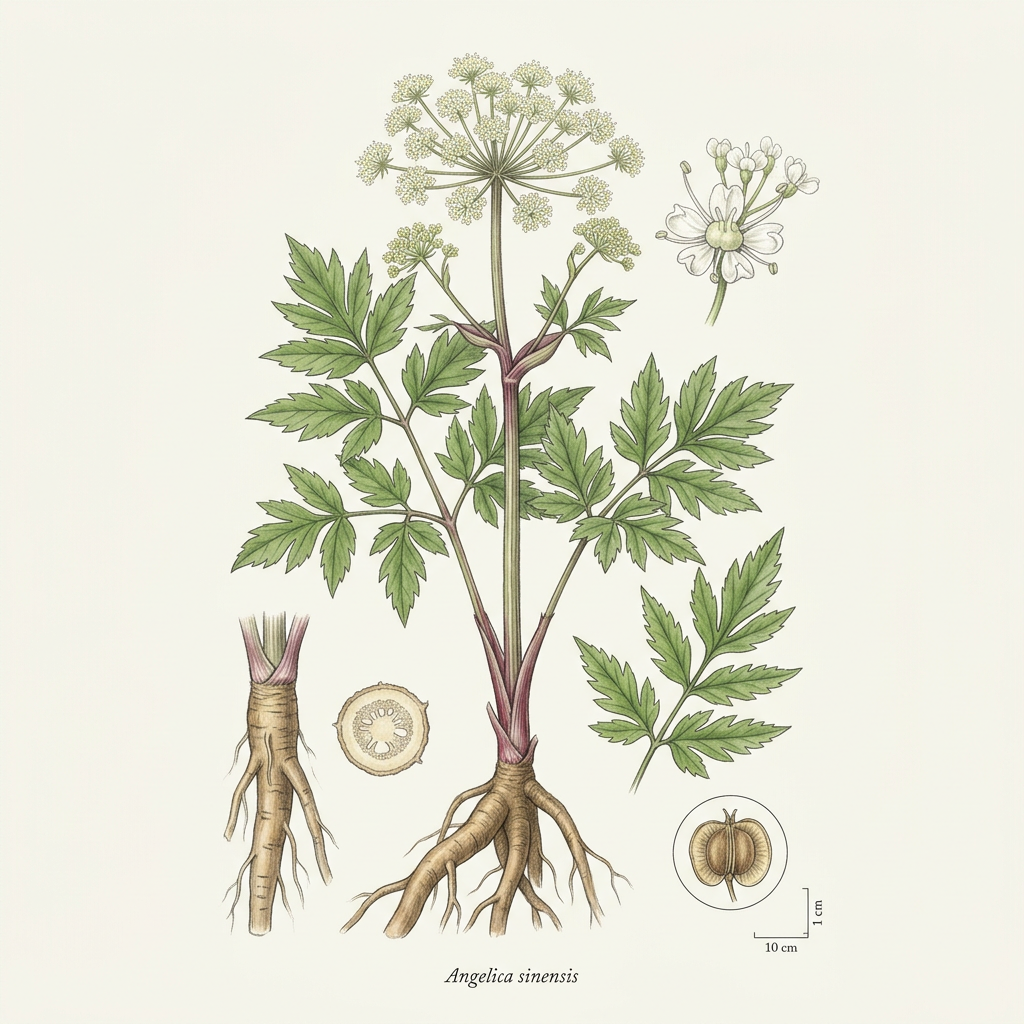
Chinese angelica

Chinese angelica

Angelica sinensis

Blood Tonic
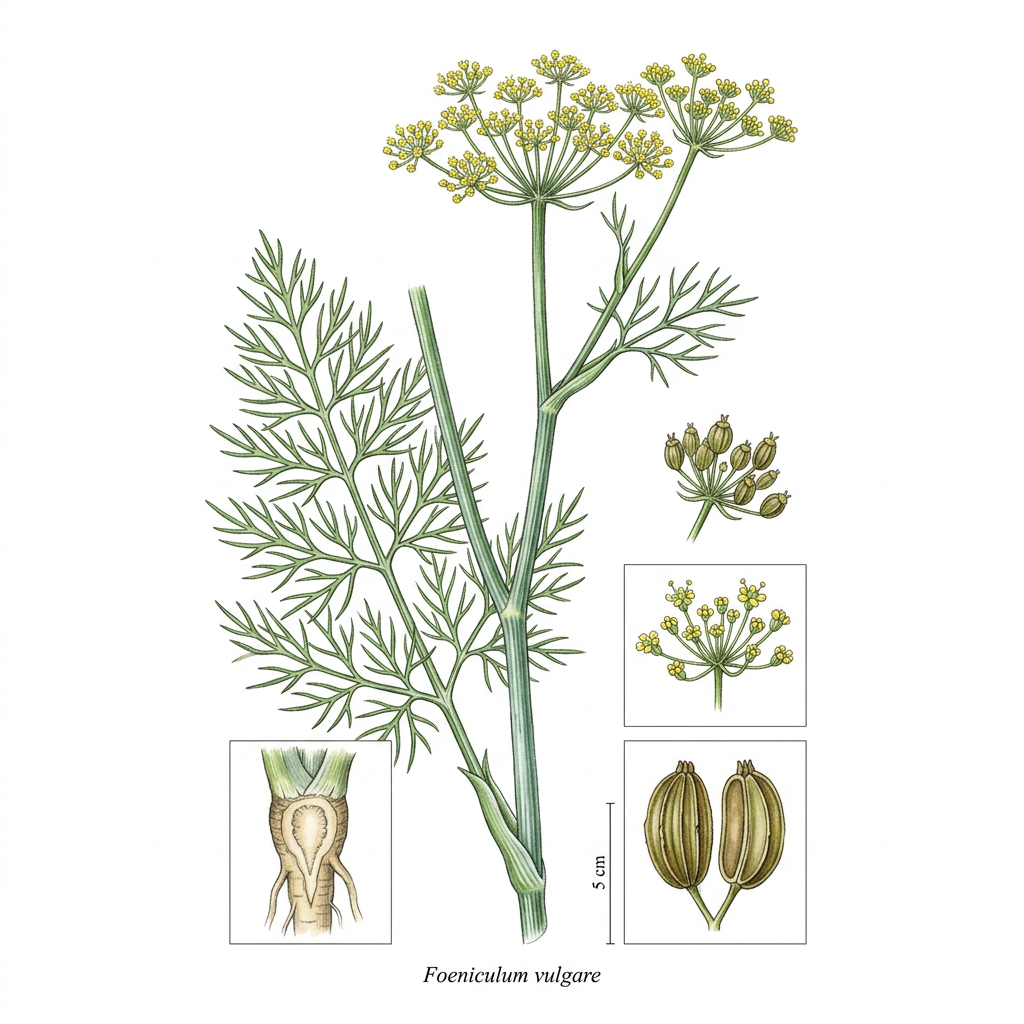
Fennel

Fennel

Foeniculum vulgare

Digestive Aid