The Wild Sage logo
The Wild Sage Logo

Herbal Medicine at your fingertips

Comprehensive database of herbal remedies with detailed safety information and traditional uses

New to herbal terms? Read the glossary →
ADHD
Abcess
Acid Reflux Relief
Acinetobacter
Acne
Acne Vulgaris
Addisons
Adenomyosis
Adenovirus
Adrenal fatigue
Aging
Aids
Alcaligenes faecalis
Alcoholism
Allergic Rhinitis
Allergies
Allergy
Alopoecia
Alopoecia nervosa
Alzheimer's, Dementia & Cognitive Decline
420 herbs found
Important: This information is for educational purposes only. Always consult with qualified healthcare professionals before using herbal remedies, especially if you have existing health conditions or take medications.
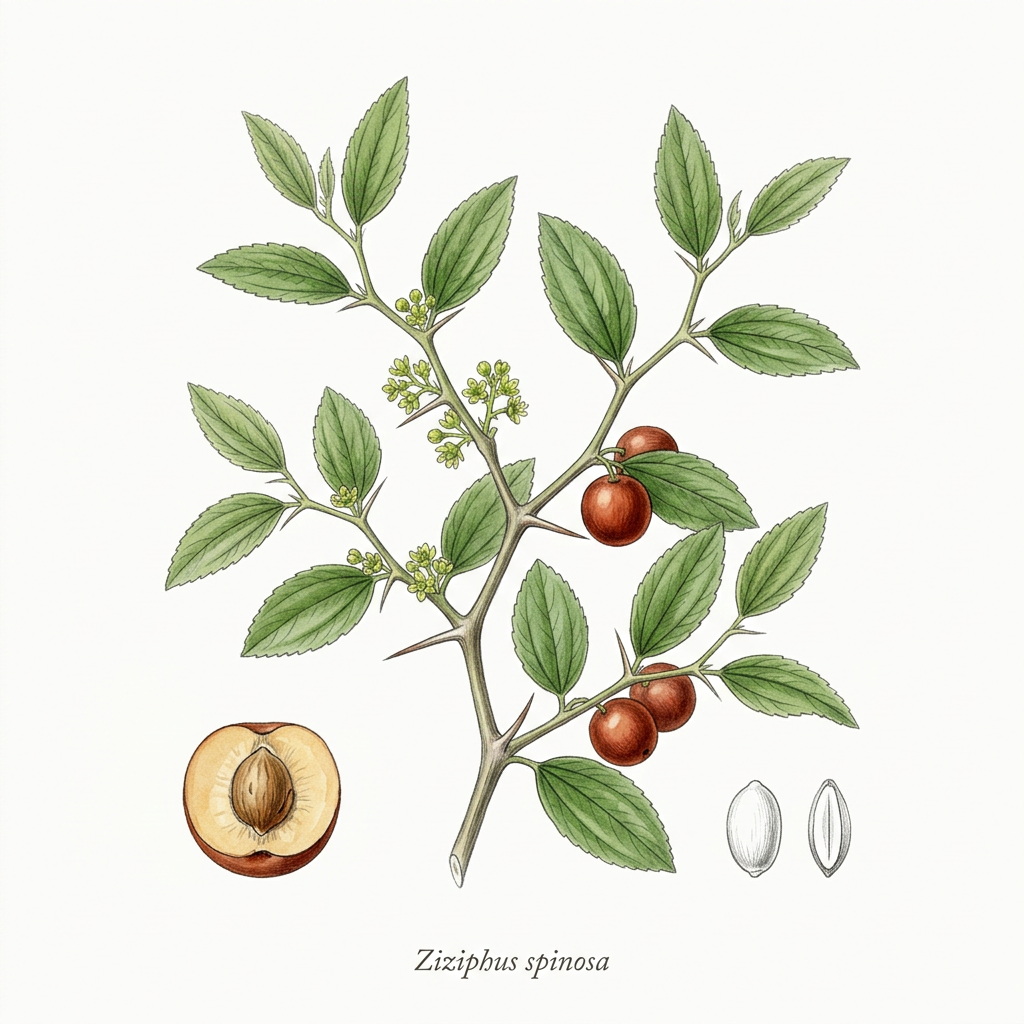
Ziziphus

Ziziphus

Ziziphus spinosa

low risk Risk
Rhamnaceae
Calming, grounding, and soothing. It is known for its ability to help reduce anxiety and promote restful sleep.
<p>Ziziphus spinosa, commonly known as jujube or Chinese date, is a member of the Rhamnaceae family and has been revered in traditional herbal medicine systems for centuries, particularly in East Asia and the Middle East. Historical texts date its use back to ancient Chinese herbal practices, where it was integrated into a variety of formulations aimed at promoting overall health and well-being. Often found in traditional remedies for nourishing the heart and calming the mind, Ziziphus has engrained itself within cultural practices, being not only a food source but also a cornerstone in therapeutic applications. Its sweet, edible fruit has been consumed for its energy-boosting properties, while the leaves and seeds were commonly used to prepare soothing infusions and decoctions. The therapeutic properties of Ziziphus spinosa are multifaceted, making it particularly valued for its anti-anxiety and sleep-promoting qualities. Research indicates that Ziziphus extracts possess mild sedative effects, attributed to the presence of phytochemicals such as saponins and flavonoids, which contribute to its calming actions. Traditionally, Ziziphus has been employed to alleviate symptoms of insomnia, nervousness, and restlessness, making it a popular choice in formulations designed to enhance sleep quality and promote relaxation. In addition to its calming effects, Ziziphus is believed to support digestive health and bolster the immune system, providing a holistic approach to wellness. The mechanism by which Ziziphus impacts the body is thought to involve modulation of neurotransmitter activity, particularly through its effects on gamma-aminobutyric acid (GABA), a key inhibitory neurotransmitter that promotes relaxation and reduces neuronal excitability. By enhancing GABAergic activity, Ziziphus not only helps to mitigate anxiety but also encourages a more restful state conducive to sleep. As ongoing research continues to explore its full pharmacological potential, Ziziphus stands as a remarkable herb, bridging traditional knowledge with modern scientific inquiry to offer comprehensive therapeutic benefits for those seeking natural support for stress and sleep-related challenges.</p>

Uses & Conditions

Sleep Aid
Calming
Mood Enhancement
Anxiety Disorders
Insomnia
Depression
Stress-Related Disorders
Night Sweats
Palpitations
Irritability
Nervousness
Restlessness
Gastroparesis
Hypertension
Hot Flushes

Actions

Anxiolytic
Sedative
Hypnotic

Parts Used

Seed

Native Countries

Mediterranean

USDA Hardiness Zones

USDA 6-9

Contraindications

  • Avoid during pregnancy due to a lack of safety data
  • Not recommended whilst breastfeeding until further clinical evidence is established
  • Discontinue at least two weeks prior to elective surgery due to potential sedative-hypnotic activity
  • Use with caution in individuals with pre-existing low blood pressure

Potential Side Effects

  • Occasional mild gastrointestinal discomfort such as bloating or loose stools
  • Excessive drowsiness or lethargy in sensitive individuals
  • Dryness of the mouth

Interactions

  • Sedative medications: may potentiate the effects of benzodiazepines or barbiturates
  • Antidiabetic medications: potential for additive hypoglycaemic effects
  • CNS depressants: use with caution when taking alcohol or antihistamines
  • Anticonvulsants: theoretical interaction due to potential central nervous system influence

Dosages, tincture ratios & research — members only

Unlock Garreth's dosing guidance, tincture ratios, the dosage calculator and the research studies for Ziziphus.

Your assessment and results stay saved — upgrading only unlocks more of them.

See membership plans

Community Photos

No community photos yet. Sign in to upload photos.

Reviews & Ratings

Sign in to leave a review.

No reviews yet. Be the first!

GF

Garreth Falls — B.Th., Dip. H.M., MNIMH

Content curated and reviewed by Garreth Falls, Consultant Medical Herbalist · The Wild Sage

Medical Disclaimer: This information is for educational purposes only and is not intended as medical advice. Always consult with qualified healthcare professionals before starting any herbal treatment.
Chinese tradition

Sustainability & quality

Cultivated

Widely cultivated in China; ensure authentic Ziziphus jujuba var. spinosa is sourced.

Key constituents

Jujubosides (saponins), Flavonoids, Polysaccharides, Triterpenic acids, Alkaloids, Betulinic acid

References

  1. Bensky "Chinese Herbal Medicine: Materia Medica" 3rd ed. 2004
  2. Herbal Reality. Herb monographs. herbalreality.com

Reviewed by Garreth, Medical Herbalist (MNIMH) · November 2026

Related conditions

Explore conditions where Ziziphus is traditionally used.

Related Herbs
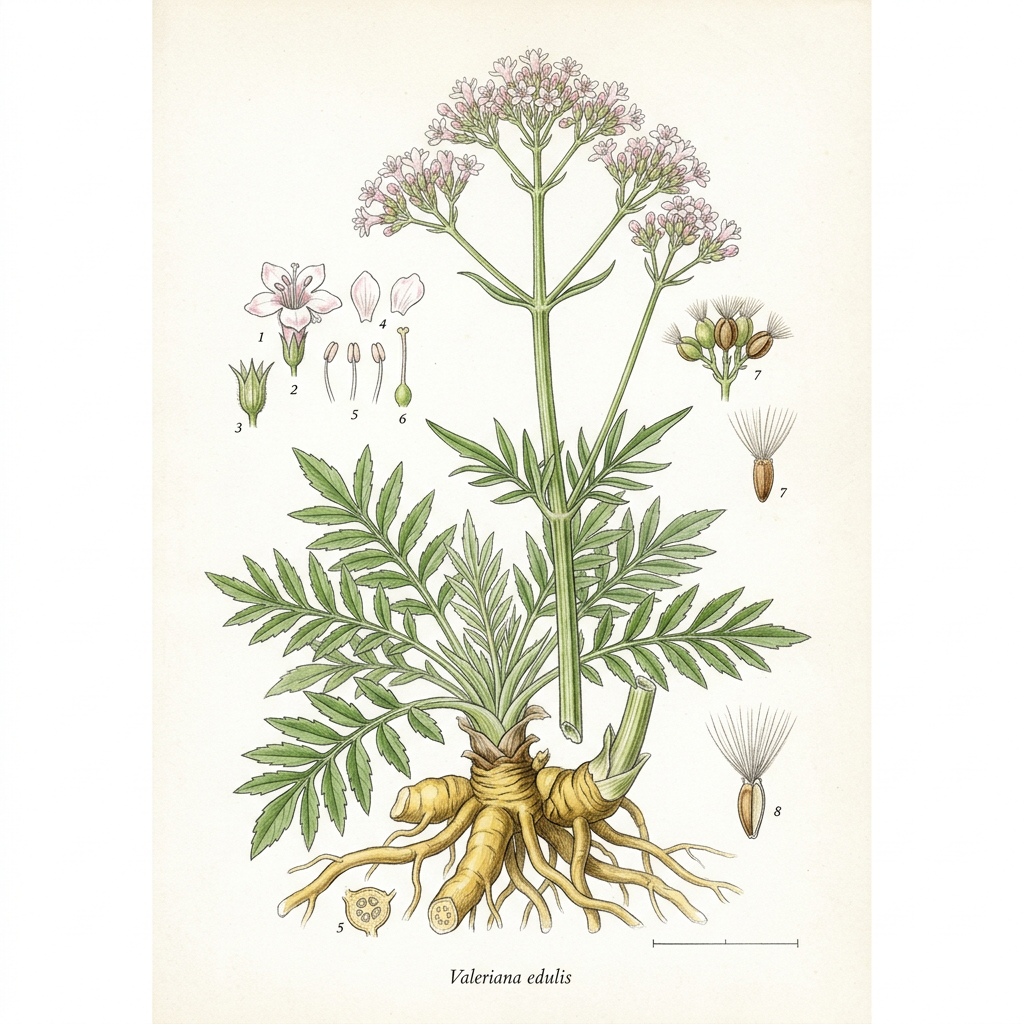
Mexican valerian

Mexican valerian

Valeriana edulis

Sleep Aid
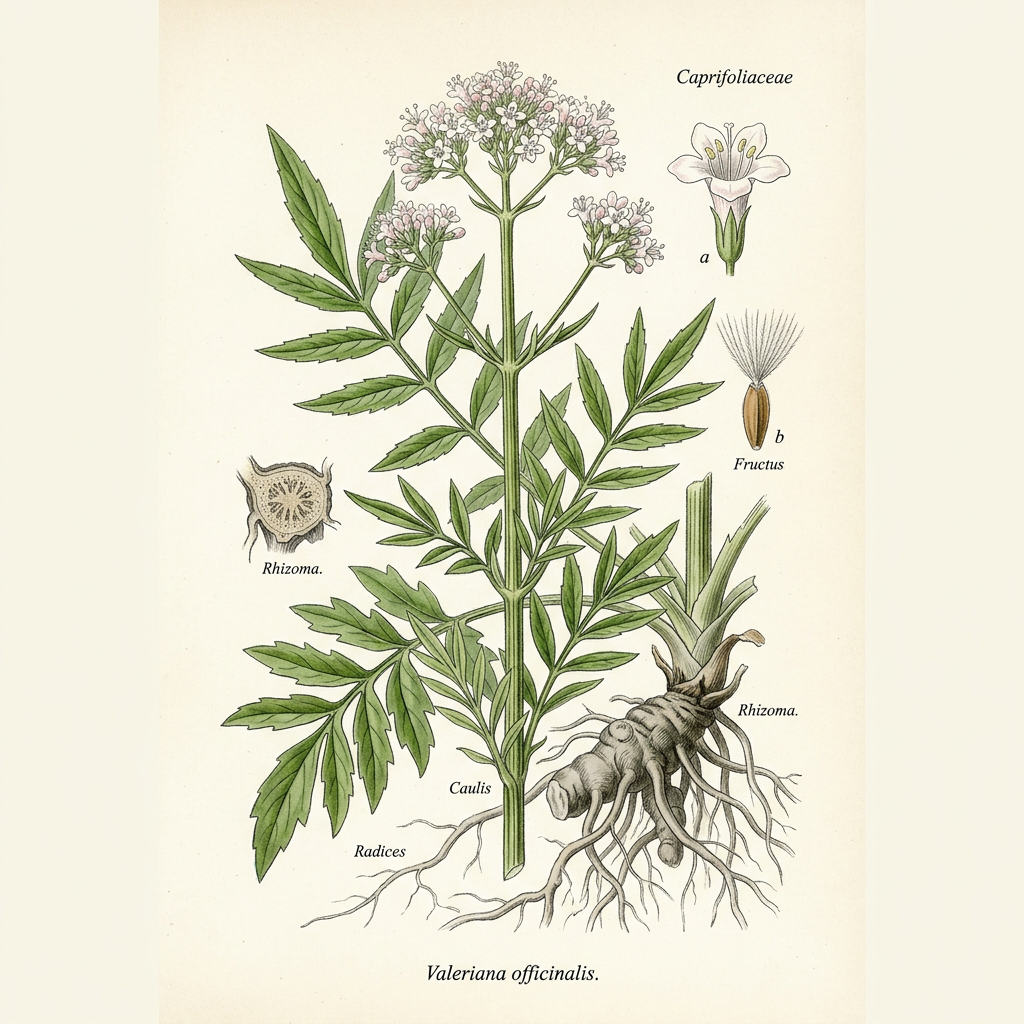
Valerian

Valerian

Valeriana officinalis

Sedation
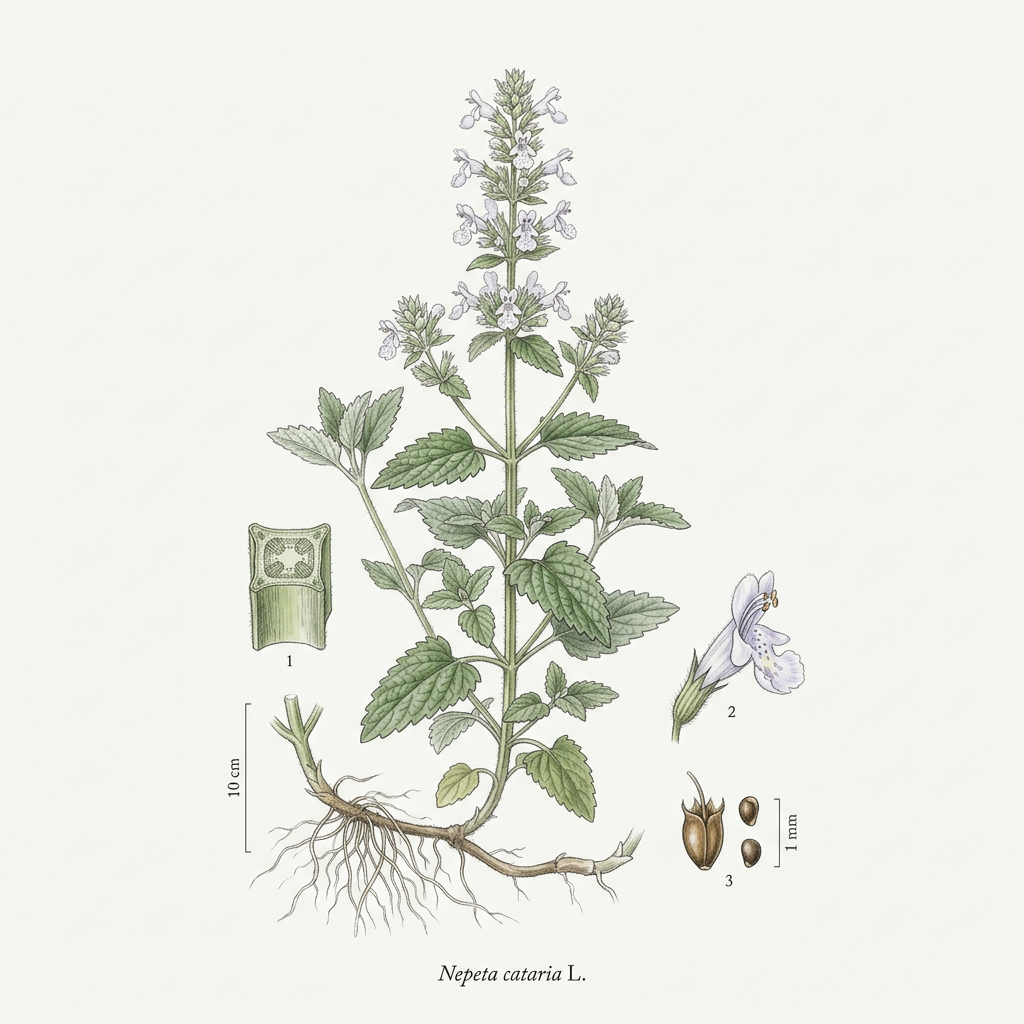
Catnip

Catnip

Nepeta cataria

Digestive support
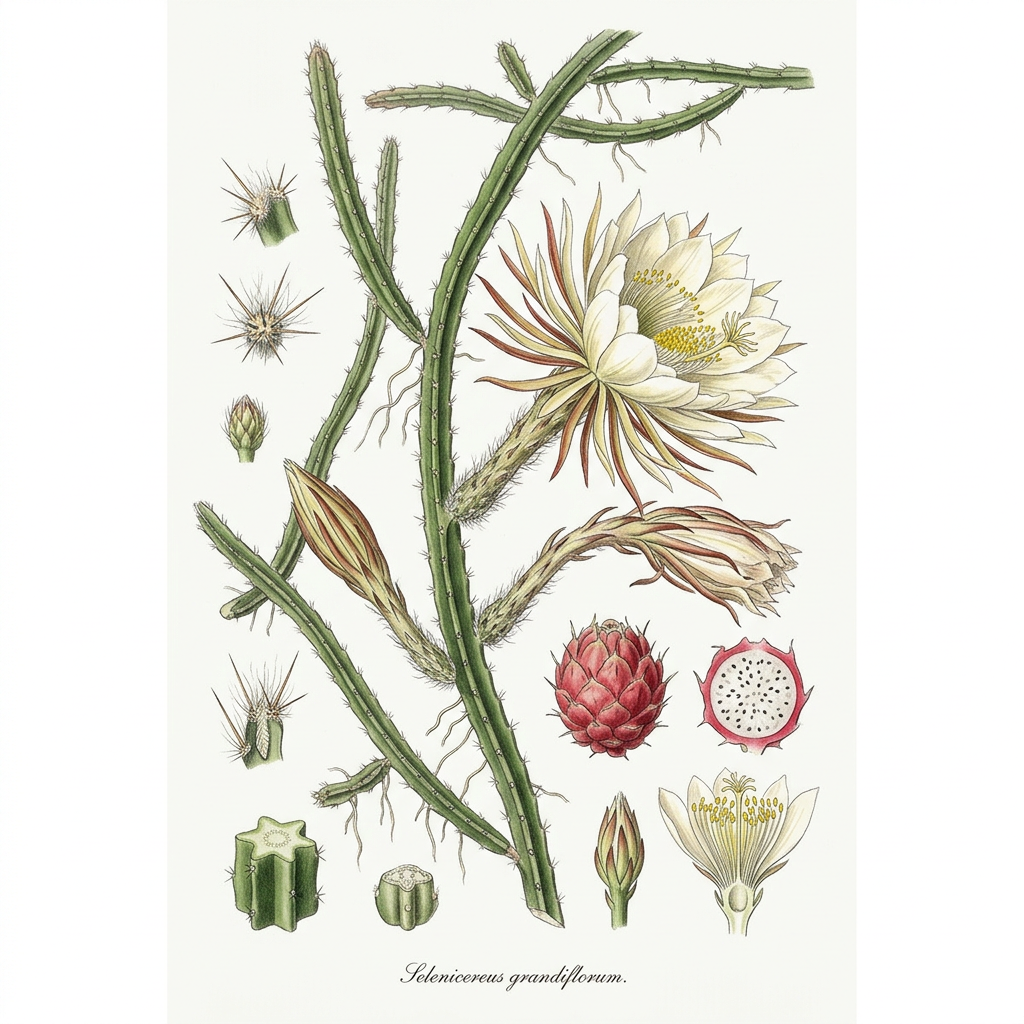
Evening flowering cactus

Evening flowering cactus

Selenicereus grandiflorus

Stress Relief